
You are looking up at an empty ceiling hook in a room where the only window faces north, wondering what could possibly trail down from it and stay green.
The short version: The most reliable low light indoor hanging plants are pothos, heartleaf philodendron, satin pothos, spider plant, Boston fern, trailing peperomia, hoya, rhipsalis and Christmas cactus.
Each tolerates a spot a few feet from a north or east window, but none will grow in true darkness. Plants like donkey’s tail, Bolivian begonia and wandering dude need far more light than most hanging spots get.
This guide covers what low light means up near the ceiling, the 12 best picks grouped by pet safety and plant type, which popular trailers to skip, and how to water, place and light them so they keep growing.
At a Glance
| Factor | What it needs |
|---|---|
| Light | Within 3 to 6 feet of a north or east window, or under a grow light 10 to 12 hours a day |
| Water | Most picks dry partly between waterings; ferns and spider plants like steadier moisture |
| Humidity | 40 to 60 percent; ferns prefer the higher end |
| Temperature | 60 to 80°F, away from radiators, forced-air vents and AC drafts |
| Soil | Well-draining potting mix in a basket or pot with a drainage hole |
| Pet safety | Spider plant, Boston fern, peperomia, hoya and Christmas cactus are non-toxic to cats per the ASPCA; pothos and philodendron are toxic |
| Difficulty | Easy (pothos, spider plant) to moderate (Boston fern, satin pothos) |
What Counts as Low Light for a Hanging Plant?
Low light is a spot where you can read comfortably at noon without a lamp, usually a few feet from a north window or deeper into a room with an east window.
For a hanging plant, the light near the ceiling is often weaker than at the windowsill, so measure before you hang.
Why Ceiling Height Changes the Math
Light falls off quickly as you move away from glass. A basket hung 6 feet back and near the ceiling may get half the light of a shelf right beside the window.
Most windows also have a header and trim above them that shade the top of the plant. Hanging the basket slightly below the top of the window frame usually gives more usable light than hanging it flush with the ceiling.
Reading Your Spot
A light meter app on your phone takes the guesswork out of placement. Hold it where the leaves will sit, facing the window, around midday.
| Reading (foot-candles) | What it means | Good matches |
|---|---|---|
| Under 50 | Too dark for steady growth | Add a grow light |
| 50 to 150 | True low light | Pothos, heartleaf philodendron, Boston fern |
| 150 to 300 | Low to medium | Spider plant, peperomia, satin pothos, rhipsalis |
| 300 and up | Medium to bright indirect | Hoya, Christmas cactus, string of turtles |
If your spot reads below about 50 foot-candles, a clip-on or hanging LED grow light set 12 to 18 inches above the leaves fixes most problems. Run it 10 to 12 hours a day on an outlet timer so you never have to remember.
Signs the Light Is Too Low
Hanging plants tell you quickly when they are starving. Watch for long bare stems between leaves, new leaves that come in smaller than old ones, and variegated plants turning solid green.
Leaves also lean hard toward the window. Rotate the basket a quarter turn every week or two to keep growth even on all sides.
Best Low Light Indoor Hanging Plants for Dim Rooms
Pothos, heartleaf philodendron, satin pothos and arrowhead plant handle the dimmest usable hanging spots in a home. All four are toxic to cats and dogs, so they suit rooms where pets cannot reach the trailing vines.

Pothos (Epipremnum aureum)
Pothos is the toughest trailing plant for low light, and it is also sold as devil’s ivy, so older lists that show both are naming the same plant. Solid green types like jade pothos handle dim spots best.
Water when the top 1 to 2 inches of soil feel dry. In low light, that may stretch to every 10 to 14 days, longer in winter.
Vines can trail 6 feet or more, so trim them at a leaf node to keep the plant full.
Highly variegated types like marble queen lose some white in low light. That is normal and not a sign of disease.
Heartleaf Philodendron (Philodendron hederaceum)
Heartleaf philodendron looks similar to pothos but has thinner, softer, heart-shaped leaves and tolerates low light just as well. It grows steadily a few feet from a north window.
Let the top inch of soil dry before watering. Yellow lower leaves usually point to soggy soil, which is common in a dim room where water evaporates slowly.
Satin Pothos (Scindapsus pictus)
Satin pothos has matte, silver-splashed leaves and a slower, more compact trailing habit. It handles low to medium light and looks best near an east window.
It is more sensitive to overwatering than true pothos. Wait until the leaves feel slightly soft or the top half of the soil is dry, then water thoroughly.
Arrowhead Plant (Syngonium podophyllum)
Young arrowhead plants have arrow-shaped leaves and climb or trail as they mature. Green and lightly variegated types tolerate low light; pink types need medium light to hold their color.
Keep the soil lightly moist but never soggy. Pinch the vining stems if you want a bushier basket instead of long runners.
All four plants in this section are listed as toxic to cats and dogs by the ASPCA because they contain calcium oxalate crystals. Hang them where vines cannot drape onto furniture a pet can climb.
Which Hanging Plants Are Safe for Cats in Low Light?
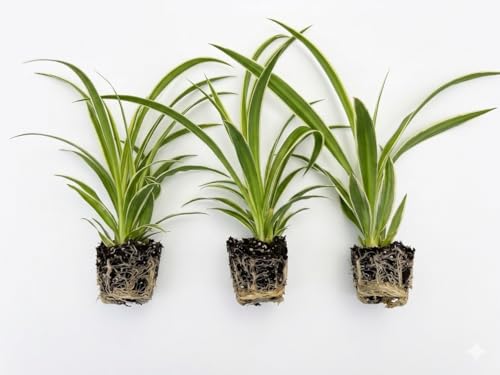
Spider plant, Boston fern, trailing peperomia, hoya and maidenhair fern are listed as non-toxic to cats and dogs by the ASPCA. Spider plant, Boston fern and peperomia handle the lowest light of this group.
If your cat already treats every leaf as a snack, my list of 12 low light indoor plants that are safe for cats covers floor and shelf options too.
Spider Plant (Chlorophytum comosum)
Spider plants tolerate low light, though growth and stripes are strongest near an east window. Mature plants send out arching stems with baby plantlets, which make a full, cascading basket.
Water when the top inch of soil is dry. Brown leaf tips often come from dry winter air or minerals in tap water, so try filtered water if the tips keep browning.
Cats love to bat and chew spider plants. Hang the basket at least 2 feet from shelves or furniture a cat could use as a launch point.
Boston Fern (Nephrolepis exaltata)
Boston ferns handle low to medium indirect light and look lush in a hanging basket. They need evenly moist soil and humidity around 50 percent or higher.
A radiator-heated apartment in winter dries them out fast, and they respond by dropping leaflets. Hang them in a kitchen or bathroom with a north window, away from forced-air vents.
Sophia’s tip: Check hanging ferns with your finger every 2 or 3 days in winter. Warm air collects near the ceiling, so a basket at 7 feet dries much faster than the same fern on the floor.
Trailing Peperomia
Several peperomias trail well, including string of turtles (Peperomia prostrata) and the trailing form sometimes called string of coins or Peperomia ‘Pepperspot.’ All peperomias are listed as non-toxic to cats by the ASPCA.
Their thick, semi-succulent leaves store water. Let the top half of the soil dry before watering. String of turtles prefers medium light and stays small, so it suits a short hanger near an east window.
Hoya (Hoya carnosa)
Hoya, also called wax plant, has thick waxy leaves on long vines. The ASPCA lists it as non-toxic to cats and dogs.
It survives in low light but rarely flowers there. For blooms, hang it near an east window or a few feet back from a bright south or west window.
Let the soil dry most of the way between waterings, and do not cut off old flower spurs, since new flowers form on them.
Maidenhair Fern (Adiantum)
Maidenhair fern is non-toxic and tolerates lower light, but it is the fussiest plant on this list. It wilts within a day if the soil dries out and browns quickly in dry air.
I recommend it only if you can keep humidity above 50 percent, ideally with a small humidifier nearby or in a bright bathroom.
Can Hanging Cactus and Succulents Handle Low Light?
Most cactus and succulents cannot, but jungle cactus that grow on trees in the wild can. Rhipsalis and Christmas cactus are the best hanging choices for a dim to medium spot, while desert trailers like donkey’s tail need bright light.

If you are unsure where the line falls, my guide on whether a cactus can live in low light explains the difference between desert and jungle types.
Rhipsalis (Mistletoe Cactus)
Rhipsalis grows as thin, pencil-like or flattened stems that hang in long, soft strands without spines. It naturally grows in dappled forest light, so it handles low to medium indirect light indoors.
Use a fast-draining mix, such as potting soil blended with orchid bark or perlite. Water when the top inch or two is dry; unlike desert cactus, it does not want to stay bone dry for weeks.
Christmas Cactus (Schlumbergera)
Christmas cactus has flat, segmented stems that arch over the edge of a basket. The ASPCA lists it as non-toxic to cats and dogs.
It grows in medium indirect light near an east window. To get flowers in late fall, it needs long, uninterrupted nights, so keep it away from lamps that stay on in the evening from about late September onward.
Fishbone Cactus (Epiphyllum anguliger)
Fishbone cactus has flat, zigzag stems that trail as they lengthen. It is a jungle cactus too, but it prefers bright indirect light, so a north window is usually too dim.
Why Desert Cactus Fade in Dim Spots
Desert cactus and succulents stretch and pale when light is too low. If a cactus you hung starts looking washed out, read why a cactus turning light green is often a light problem, not a nutrient one.
Upright desert cactus belong on a sunny sill, not a hook. If you want one for a south window, learn how to care for peruvian apple cactus, which is easy to start once you know how to grow peruvian apple cactus from cutting.
Popular Trailing Plants That Struggle in Low Light
Donkey’s tail, Bolivian begonia, wandering dude and string of pearls often appear on low-light lists, but they need medium to bright light to stay full. Silver dumb cane is not a hanging plant at all.
Donkey’s Tail (Sedum morganianum)
Donkey’s tail is a desert succulent with plump, bead-like leaves on long stems. In low light, stems stretch, leaves spread apart and the plant drops leaves at the lightest touch. It needs a bright south or west window.
Bolivian Begonia (Begonia boliviensis)
This begonia is grown mainly for its flowers and is usually treated as an outdoor or patio plant. Indoors in low light it rarely blooms and tends to decline. Choose a trailing foliage begonia only if you have a bright east window.
Wandering Dude (Tradescantia)
Tradescantia grows quickly and trails beautifully, but its purple and silver color fades in low light. Stems also stretch and become bare near the soil. It does well near an east or west window with regular pinching.
Silver Dumb Cane (Dieffenbachia seguine)
Dumb cane grows as an upright, cane-forming plant and does not trail. It tolerates lower light on the floor, but it does not belong in a hanging basket. The ASPCA lists dieffenbachia as toxic to cats and dogs.

| Plant | Real light need | Better spot |
|---|---|---|
| Donkey’s tail | Bright, some direct sun | South or west windowsill |
| Bolivian begonia | Bright indirect to partial sun | Outdoor patio or bright east window |
| Wandering dude | Medium to bright indirect | Near an east or west window |
| String of pearls | Bright indirect | 1 to 3 feet from a south or west window |
| Silver dumb cane | Low to medium, upright | Floor pot, not a basket |
How Do You Water Hanging Plants in Low Light?
Water less often than you would in bright light, and only after checking the soil. In low light, plants use water slowly, so overwatering is the most common way hanging plants die.
Check Before You Pour
A soil moisture meter or a finger test tells you more than a calendar. For pothos, philodendron and hoya, wait until the top 1 to 2 inches are dry. For ferns, water when the surface just starts to feel dry.
Lifting the basket also helps. A dry hanging pot feels noticeably lighter than a freshly watered one, and you will learn the difference within a few waterings.
Avoiding Drips and Soggy Roots
Many decorative hanging pots have no drainage hole. Grow the plant in a plastic nursery pot with holes and set it inside the decorative pot, then pour out any water that collects.
Sophia’s tip: Take hanging baskets down and water them in the sink or shower. Let them drain for 15 to 20 minutes before rehanging so nothing drips onto floors, radiators or a curious cat below.
Seasonal Changes
Plants slow down in fall and winter as daylight shortens. Stretch the time between waterings and stop fertilizing from roughly October to February.
Forced-air heat dries the top of the soil quickly while the root zone stays wet. Push your finger deeper in winter rather than trusting the surface.
Where Should You Hang Low Light Plants Indoors?
Hang them 3 to 6 feet from a north window, within a few feet of an east window, or under a grow light, and keep them away from heat sources.
Ceiling hooks must be secured into a joist or rated anchor because wet baskets are heavy.
Matching Plants to Window Direction
- North window: pothos, heartleaf philodendron, Boston fern, spider plant
- East window: satin pothos, peperomia, rhipsalis, Christmas cactus, hoya
- South or west window, set back 4 to 6 feet: hoya, spider plant, Christmas cactus
- No window: any pothos, philodendron or peperomia under a grow light
Heat, Drafts and Dry Air
Warm air rises, so a basket above a radiator or heating vent dries out and browns fast. Keep hanging plants at least 3 feet from radiators, forced-air registers and window AC units.
In winter, indoor humidity often drops below 30 percent. A small humidifier near a group of ferns and spider plants helps more than misting, which dries within minutes.
Safe Hardware and Height
A 10-inch basket of wet soil and foliage can weigh 10 to 20 pounds. Use a hook screwed into a ceiling joist or a heavy-duty toggle anchor rated well above that weight.
Hang plants high enough to stay out of reach of pets and kids, but low enough that you can check the soil without a ladder every time. A pulley-style hanger lets you lower the basket for watering.
Sophia’s tip: Mount any grow light above the basket and run its cord along the ceiling or wall. A dangling cord or warm fixture at cat height is a bigger hazard than most leaves.
Your Next Steps
- Measure your hanging spot with a light meter app at midday and note the window direction.
- Pick one or two plants from the matching light group above, choosing cat-safe options if pets share the room.
- Secure a ceiling hook into a joist or rated anchor before buying the plant.
- Use a nursery pot with drainage inside any decorative hanging pot.
- Add an LED grow light on a 10 to 12 hour timer if the spot reads under about 50 foot-candles.
- Move baskets at least 3 feet from radiators and vents before winter heat comes on.
Common Questions About Low Light Indoor Hanging Plants
What is the easiest hanging plant for low light?
Pothos is the easiest hanging plant for low light. It tolerates dim corners, irregular watering and dry air better than almost any other trailer. Keep it away from pets, since the ASPCA lists it as toxic.
Can hanging plants grow in a room with no windows?
Not on their own, because no plant grows in darkness. An LED grow light 12 to 18 inches above the leaves, run 10 to 12 hours a day, can support pothos, philodendron, peperomia and ferns in a windowless room.
Why are my hanging pothos vines getting long and bare?
Long gaps between leaves usually mean the plant needs more light. Move it closer to the window or add a grow light, then trim the bare vines just above a node to encourage fuller growth near the pot.
Which hanging cactus does best in low light?
Rhipsalis tolerates the lowest light of the hanging cactus, followed by Christmas cactus. Both are jungle cactus that grow under tree canopies in the wild. Desert trailers like donkey’s tail need bright light instead.
How often should I water a hanging plant in low light?
Most need water every 1 to 2 weeks, but check the soil instead of following a schedule. Water pothos and hoya when the top 1 to 2 inches are dry, and keep ferns evenly moist.

Hi! I’m Sophia, and I love plants – especially an expert in growing house plants. I stay in Chicago, United States of America, and through my blog and social media platforms, provide tips and tricks on how to grow healthy, vibrant plants indoors. Check out more here.