
A tall, blue-green column with neat ribs and short spines stands near your window, and you want it to keep growing straight and firm instead of leaning or going soft.
Learning how to care for Peruvian apple cactus indoors comes down to a few habits you set once and adjust by season.
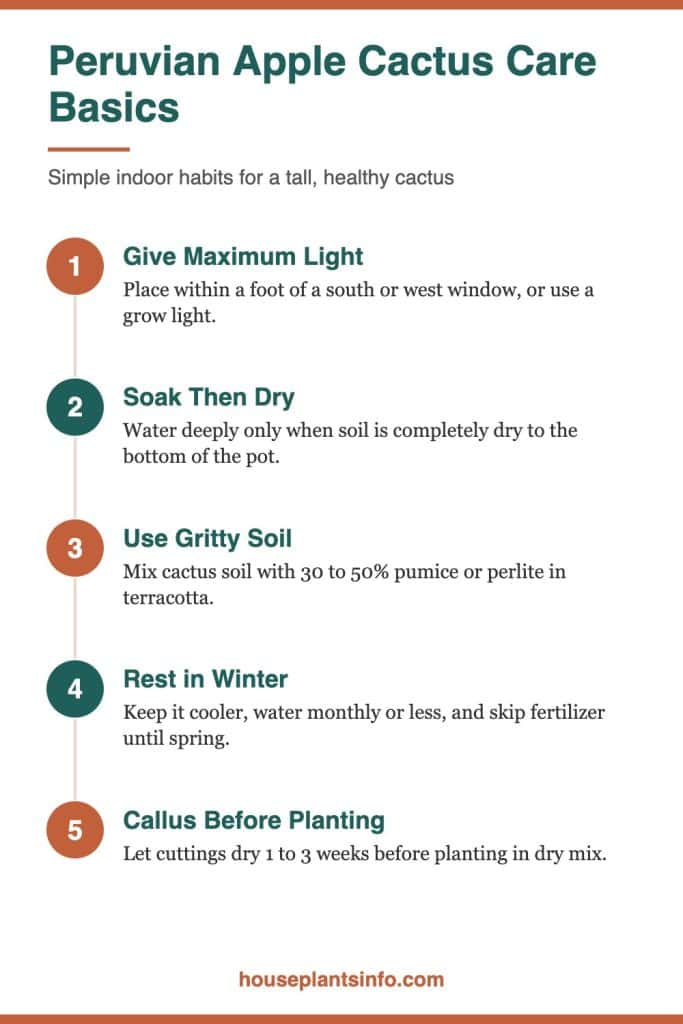
The short version: Give it the brightest spot you have, ideally 4 to 6 or more hours of direct sun from a south or west window.
Water deeply only when the soil is completely dry, use a gritty fast-draining mix, and let it rest cooler and drier in winter.
This guide covers light, watering, soil and repotting, temperature, seasonal feeding, pruning and propagation, common problems, and whether it can live outdoors or bloom.
At a Glance
| Factor | What it needs |
|---|---|
| Light | Full sun indoors; 4 to 6+ hours direct light, or a strong grow light |
| Water | Soak, then let soil dry completely; every 2 to 3 weeks in summer, monthly or less in winter |
| Humidity | Average to dry household air is fine; no misting |
| Temperature | 65 to 90°F in the growing season; 50 to 60°F winter rest is ideal; keep above 40°F |
| Soil | Cactus mix amended with 30 to 50% pumice or perlite |
| Pet safety | Spines are the main hazard; check the ASPCA plant list and keep it out of reach |
| Difficulty | Easy, as long as light is strong and watering is sparse |
What Light Does a Peruvian Apple Cactus Need Indoors?
Peruvian apple cactus (Cereus repandus, often sold as Cereus peruvianus) needs as much direct sun as your home can offer. Indoors, that means right against an unobstructed south or west window, within about a foot of the glass.
Reading Your Window Honestly
A south window gives the longest stretch of direct light, especially in winter when the sun sits low. West windows deliver strong afternoon sun, which this cactus handles well. East windows are a fallback, and north windows are not enough on their own.
Distance matters more than most people expect. Light intensity drops quickly as you move back from the glass, so a cactus 4 feet into the room gets a fraction of what it would get on the sill.
When to Add a Grow Light
If your best window faces east or north, or tall buildings block the sky, a full-spectrum LED grow light makes a real difference.
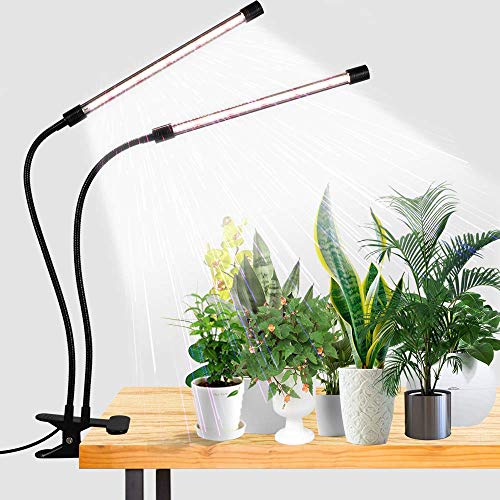
Position it 6 to 12 inches above the top of the plant and run it 12 to 14 hours a day on a simple outlet timer.
A grow light is also useful through Chicago-style winters, when short, gray days leave even south windows weak. Many growers run one from November through February to prevent stretching.
Signs of Too Little or Too Much Light
Too little light causes etiolation: new growth turns pale, narrow, and pointed, and the column leans toward the window. That thin section will not thicken later, even after light improves.
Too much sudden light causes sunburn, which shows up as bleached, tan, or white patches on the side facing the glass. This usually happens when a plant moves from a dim store or room straight into full sun, or goes outdoors without a transition.
Sophia’s tip: Rotate the pot a quarter turn every two weeks so all sides get equal light. Mark one side of the pot with a small piece of tape so you remember which way it faced last.
How Often Should You Water a Peruvian Apple Cactus?
Water deeply, then wait until the soil is completely dry before watering again. In most homes that works out to every 2 to 3 weeks in spring and summer and every 4 to 6 weeks, or less, in winter.
The Soak and Dry Method
When it is time to water, pour slowly until water runs freely from the drainage hole. Let the pot drain fully, then empty the saucer or cachepot within 15 minutes so the roots never sit in standing water.
Shallow sips are a common mistake. They wet only the top inch, leave deeper roots dry, and encourage frequent watering that keeps the surface damp.
How to Tell When the Soil Is Dry
Push a wooden skewer or chopstick to the bottom of the pot and leave it for a minute. If it comes out clean and dry, water. If it shows dark soil or feels cool, wait several more days.
A soil moisture meter can help in larger pots where the top dries long before the bottom. Treat its reading as a guide, and confirm with the skewer when in doubt.

Lifting the pot also works once you know its weight. A freshly watered pot feels noticeably heavier than a dry one.
Adjusting for Your Home
Forced-air heat and radiators dry soil faster, but they do not change the plant’s winter rest. Even in a warm apartment, growth slows with shorter days, so water less often from late fall through winter.
In summer, a cactus in a bright, warm south window may dry out in 10 to 14 days. A plant in a cooler room or a plastic pot may take 3 weeks or longer. Check the soil, not the calendar.
What Soil, Pot, and Repotting Schedule Work Best?
Use a gritty mix that drains in seconds, a pot with a drainage hole, and repot every 2 to 3 years or when roots fill the container. Good drainage prevents most of the rot problems this cactus faces indoors.
Building a Fast-Draining Mix
Bagged cactus and succulent soil is a reasonable base, but many blends hold more moisture than a column cactus likes. Mix it with 30 to 50% pumice or coarse perlite to open it up.
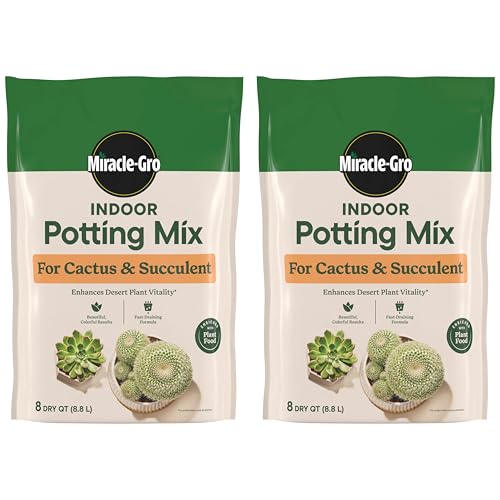
Coarse sand can be added in small amounts, but avoid fine play sand, which packs down. The finished mix should feel loose and crumbly and should never stay soggy for more than a day or two.
Choosing a Pot That Will Not Tip
Unglazed terracotta is a strong choice. It breathes, helps the soil dry evenly, and its weight steadies a tall plant that could otherwise topple.
Pick a pot only 1 to 2 inches wider than the root ball. An oversized pot holds extra wet soil that roots cannot reach, which raises the risk of rot. Always choose one with a drainage hole.
Sophia’s tip: For columns taller than about 2 feet, set a few larger stones on the soil surface around the base. They add weight low in the pot and keep the plant from rocking every time a pet or vacuum bumps it.
Repotting Without Getting Hurt
Repot in spring or early summer, when the plant is actively growing. Wear thick gloves and wrap the column in a folded towel, a strip of cardboard, or a few layers of newspaper to grip it safely.
Let the soil dry before repotting so it falls away cleanly. Trim any mushy or blackened roots with clean shears, set the plant at the same depth as before, and wait about a week before watering so small root injuries can seal.
Tall plants may need temporary support. A bamboo stake padded with soft ties keeps the column upright until new roots anchor it.
What Temperature and Humidity Does It Prefer?
Keep it between 65 and 90°F during spring and summer, and ideally 50 to 60°F during its winter rest. It tolerates normal household humidity, including the very dry air that comes with winter heating.
Winter Rest and Cold Windows
A cool, dry winter rest helps the plant stay compact and can encourage blooming on mature specimens. A bright, unheated sunroom or a spot near a south window that runs a bit cooler works well.
Watch the glass on very cold nights. Window panes can drop well below room temperature, and tissue touching frozen glass can scar. Keep the plant an inch or two away from the pane, and never let it fall below about 40°F.
Heat Sources and Drafts
Radiators and forced-air vents blast hot, dry air that can stress the skin on one side. Keep the cactus at least 3 feet from radiators and out of the direct path of heating or AC vents.
Air conditioning is less of a concern, since this cactus tolerates cooler rooms, but avoid constant cold blasts from a unit in the same window.
Humidity
Average indoor humidity of 30 to 50% suits it, and lower winter levels rarely cause trouble. Skip misting and pebble trays. Extra moisture on the stem and around the base invites fungal problems rather than helping.
How to Care for Peruvian Apple Cactus Through the Year
Seasonal care means feeding and watering more in spring and summer, then tapering off in fall and resting the plant in winter. Matching care to its growth cycle keeps it firm and steadily growing.
Spring: Wake-Up and Feeding
Once days lengthen in March or April and new growth appears at the tip, gradually increase watering. This is the best time to repot, take cuttings, or move the plant to a brighter spot.
Begin feeding with a low-nitrogen cactus fertilizer diluted to half strength. Apply every 4 to 6 weeks, always onto moist soil rather than bone-dry soil, which helps prevent root burn.
Summer: Peak Growth
This is when the plant grows fastest, and a healthy column can add several inches in a season. Keep up the soak and dry routine and continue feeding every 4 to 6 weeks.
If you move the plant outdoors, acclimate it over 1 to 2 weeks. Start with a few hours of morning sun or bright shade, then lengthen the exposure gradually to prevent sunburn.
Fall and Winter: Taper and Rest
Stop fertilizing by late August or September. Bring any outdoor plant back inside before night temperatures drop below 50°F, and check it closely for pests before it joins your other plants.
In winter, water sparingly, perhaps once a month or less, and do not fertilize. If the stem begins to look slightly thinner or wrinkled late in winter, a light watering is fine.
| Season | Watering | Feeding | Best tasks |
|---|---|---|---|
| Spring | Increase gradually as growth resumes | Begin at half strength every 4 to 6 weeks | Repot, take cuttings |
| Summer | Every 2 to 3 weeks once dry | Every 4 to 6 weeks | Acclimate outdoors if desired |
| Fall | Gradually reduce | Stop by early fall | Pest check before bringing inside |
| Winter | Every 4 to 6 weeks or less | None | Cool, bright rest; add grow light if needed |
How Do You Prune and Propagate It?
Prune only to control height, remove damaged growth, or fix a stretched section, and use the cut pieces as cuttings. Peruvian apple cactus propagates easily from stem segments that are allowed to callus before planting.
Making a Clean Cut
Use a sharp, clean knife or pruning saw, sterilized with rubbing alcohol. Wear gloves and wrap the section you are removing so it does not fall and bruise.
Cut straight across in spring or early summer. The remaining stem will seal over and often push one or more new branches from just below the cut, which gives the plant a fuller shape.
Avoid pruning in winter. Cuts heal more slowly during the rest period, which leaves more time for rot to set in.
Rooting Cuttings Step by Step
Take a cutting at least 6 inches long from healthy, firm growth. Set it upright in a dry, shaded spot with good airflow and let the cut end callus for 1 to 3 weeks, until it forms a dry, firm seal.
Plant the callused end 1 to 2 inches deep in dry cactus mix, support it if needed, and keep it in bright indirect light. Wait about a week, then water lightly. Roots typically form in 3 to 6 weeks in warm conditions.
For a detailed walkthrough, see how to grow Peruvian apple cactus from a cutting.
When Cuttings Stall
Cuttings rooted in cool rooms, in winter, or in wet soil often sit without progress or start to rot. A gentle tug that meets resistance means roots have formed.
If weeks pass with no change, check temperature, light, and moisture first. This guide on a Peruvian apple cactus not rooting covers the common reasons and fixes.
Sophia’s tip: Set callusing cuttings on a seedling heat mat near a bright window in early spring. Steady bottom warmth around 70 to 75°F speeds rooting noticeably compared with a cold sill.
Pests, Rot, and Color Changes: Causes and Fixes
Most problems trace back to overwatering, poor light, or a few common sap-feeding pests. Catching changes early usually means a simple fix instead of losing the plant.
Mealybugs, Scale, and Spider Mites
Mealybugs look like small tufts of white cotton, often tucked along ribs and around spines. Dab them with a cotton swab dipped in 70% isopropyl alcohol, then repeat weekly until no new ones appear.
Scale appears as tan or brown bumps that scrape off with a fingernail. Spider mites leave fine webbing and a dull, speckled surface, and they thrive in dry winter air near heaters.
Treat both with insecticidal soap, repeated every 5 to 7 days for several weeks.
Isolate an infested plant from your other houseplants during treatment. Check new plants carefully before bringing them home.
Root and Stem Rot
Rot shows as soft, mushy, or dark tissue, usually starting at the base. It is almost always caused by wet soil combined with cool temperatures or poor drainage.
Unpot the plant, remove all soft roots and stem tissue with a clean knife, and let it dry. If the base is badly affected, cut above the damage into clean, firm green tissue and reroot the healthy top as a cutting.
Yellowing and Blackening
Yellowing can come from overwatering, insufficient light, sunburn, or a plant that has been root-bound for years. Look at where it appears, whether at the base, on one side, or across the whole stem, to narrow down the cause.
For a full breakdown, read about Peruvian apple cactus yellowing and what each pattern means.
Black spots or patches can be harmless corking on old growth near the base, which feels hard and dry. Soft, wet, or spreading black areas point to rot or fungal infection. Learn how to tell them apart if your Peruvian apple cactus is turning black.
Can It Live Outdoors, Bloom, or Harm Pets?
It grows outdoors year-round only in warm, frost-free climates, roughly USDA zones 9 to 11, and it can bloom and fruit once mature. Indoors, flowers are possible but less common, and the spines are the main concern around pets and kids.
Outdoor Growing by Zone
In zones 9 through 11, this cactus can reach tree-like heights in the ground. Short frosts may scar the tips, and extended freezes below about 25°F can kill or seriously damage it.
Gardeners in colder areas usually grow it in containers and bring it indoors for winter. If you live on the edge, read whether a Peruvian apple cactus will grow in zone 8 before planting it outside.
Flowers and Fruit
Mature plants, often several feet tall and several years old, produce large white flowers that open at night and usually close by the next morning. A cool, dry winter rest and very bright summer light improve the odds.
The fruit, sometimes called Peruvian apple or pitaya, develops after pollination. Indoor plants rarely fruit because there are no night-flying pollinators, though hand pollination with a soft brush can sometimes work.
Pet and Child Safety
The plant is not commonly regarded as poisonous, but its spines can injure curious pets and small children. Check the ASPCA toxic and non-toxic plant list for current guidance, and place the pot where cats, dogs, and toddlers cannot brush against it.
Your Next Steps
- Move your cactus to the brightest south or west window, within about a foot of the glass.
- Check soil dryness with a skewer before every watering, and empty the saucer after each soak.
- Repot into gritty mix and a terracotta pot with drainage if the current soil stays wet for days.
- Mark your calendar to start half-strength feeding in spring and stop by early fall.
- Inspect ribs and spine clusters monthly for mealybugs, scale, and webbing.
- Add a grow light on a timer for the darkest winter months if new growth looks thin or pale.
Common Questions About Peruvian Apple Cactus Care
How fast does a Peruvian apple cactus grow indoors?
With strong light and regular summer watering, it is one of the faster-growing column cacti, often adding several inches to a foot per year. Growth slows considerably in low light and nearly stops during the winter rest.
Why is my Peruvian apple cactus leaning?
Leaning usually means the plant is reaching toward its light source because it is not getting enough. Move it closer to a bright window, rotate it regularly, and add a stake for support while new growth straightens out.
Should I mist my Peruvian apple cactus?
No, misting does not help this cactus and can encourage fungal spots around the stem. Normal household humidity, even dry winter air, is perfectly suitable for it.
Can I grow Peruvian apple cactus under only grow lights?
Yes, a strong full-spectrum LED grow light can support healthy growth without a window. Keep the light 6 to 12 inches above the top and run it 12 to 14 hours daily, raising it as the plant grows.
What does a wrinkled Peruvian apple cactus mean?
Wrinkling or shriveling typically means the plant is drawing on stored water and needs a thorough soak. If the stem stays wrinkled after watering, check the roots for rot, since damaged roots cannot take up moisture.

Hi! I’m Sophia, and I love plants – especially an expert in growing house plants. I stay in Chicago, United States of America, and through my blog and social media platforms, provide tips and tricks on how to grow healthy, vibrant plants indoors. Check out more here.