
A green, ribbed column of Peruvian apple cactus sits on your windowsill, and one arm has grown tall enough to lean toward the glass.
That arm is a ready-made new plant, and learning how to grow Peruvian apple cactus from cutting is one of the easiest ways to multiply this fast, forgiving cactus.
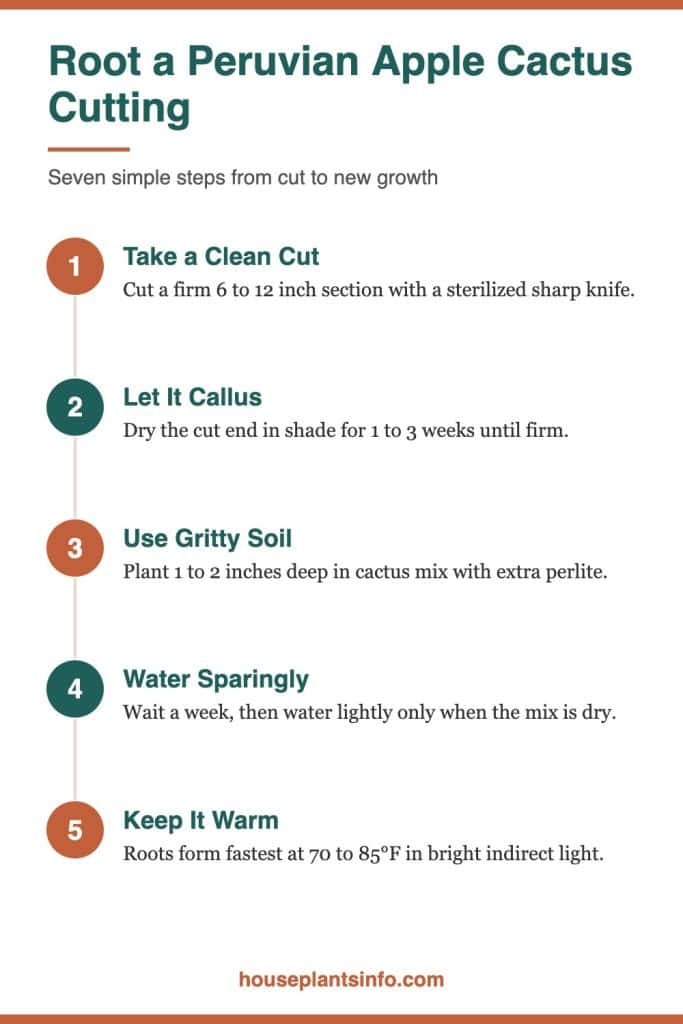
The short version: Cut a healthy 6 to 12 inch section with a clean knife, let the cut end dry for 1 to 3 weeks until it forms a firm callus, then set it upright in dry, gritty cactus mix.
Keep it warm and bright, wait about a week before the first light watering, and expect roots in 3 to 6 weeks.
This guide covers what to gather, each rooting step, callusing time, soil, watering, signs of success, common failures, and care once your new cactus is established.
At a Glance
| Factor | What it needs |
|---|---|
| Light | Bright indirect light while rooting, then direct sun from a south or west window |
| Water | None for the first week, then light watering only when the mix is fully dry |
| Temperature | 70 to 85°F for fastest rooting; keep above 50°F |
| Soil | Fast-draining cactus mix with 30 to 50 percent grit or perlite |
| Humidity | Average to dry indoor air is fine |
| Pet safety | Spines are the main hazard; keep it out of reach of pets and kids |
| Difficulty | Easy, as long as you avoid overwatering |
What Do You Need Before You Take a Cutting?
You need a healthy stem, a clean sharp knife, a small pot with a drainage hole, and a bag of gritty cactus mix. A few extras make the process more predictable, but none are complicated.
Gathering Your Supplies
A sharp, non-serrated knife makes a clean cut that calluses evenly. Wipe the blade with rubbing alcohol before and after cutting so you do not spread bacteria or fungus into fresh tissue.
For the pot, terracotta is a strong choice because it pulls moisture out of the mix and dries faster than plastic. Pick a pot only 1 to 2 inches wider than the cutting’s diameter so the soil does not stay wet for days.
If you tend to overwater, a soil moisture meter takes the guessing out of the first few weeks. Push the probe down near the base of the cutting and only water when it reads fully dry.
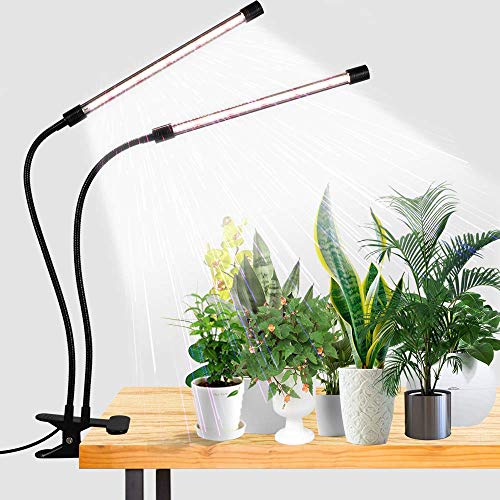
In a north-facing apartment or during short Midwest winters, a full-spectrum grow light placed 12 to 18 inches above the cutting gives it steady energy to push roots. Run it 12 to 14 hours a day.
Protecting Your Hands
Peruvian apple cactus has sharp spines along every rib, and some cultivars carry long ones. Wear thick gardening gloves, and wrap the stem in folded newspaper or a towel to hold it steady while you cut.
Kitchen tongs also work well for moving a fresh cutting. They keep your fingers clear and avoid bruising the skin.
Choosing the Best Time
Spring and early summer are the best times to take cuttings. The plant is actively growing, days are longer, and indoor temperatures sit in the warm range that speeds root growth.
You can root a cutting in fall or winter, but it often takes twice as long. If you try it during heating season, keep the pot away from cold window glass and directly blowing forced-air vents.
How to Grow Peruvian Apple Cactus from Cutting, Step by Step
The process is simple: cut, callus, plant, wait, then water lightly. Most failures come from skipping the callus stage or watering too early, so patience matters more than technique.
Steps 1 to 3: Cut and Prepare
- Step 1: Choose a firm, green, unblemished stem section 6 to 12 inches long. Avoid soft, yellowed, scarred or corky pieces.
- Step 2: Cut straight across at a joint or anywhere along the column with one clean motion. Some growers angle the cut slightly so it calluses into a neat point.
- Step 3: Note which end is up. Cactus cuttings only root from the bottom end, so mark the top with a small piece of tape if you are cutting several.
Steps 4 to 5: Callus and Plant
- Step 4: Set the cutting upright or on its side in a dry, shaded, airy spot for 1 to 3 weeks. Wait until the cut end looks dry, firm and slightly sunken, like a scab.
- Step 5: Fill the pot with dry cactus mix. Push the callused end 1 to 2 inches deep, or deep enough that the cutting stands upright. Firm the mix around it.
Steps 6 to 7: Support and Wait
- Step 6: Tall cuttings tip over easily. Prop them with a bamboo stake, a few stones on the soil surface, or by leaning them against the pot rim until roots anchor them.
- Step 7: Place the pot in bright indirect light and wait about a week before giving a small amount of water. After that, water only when the mix is completely dry.
Sophia’s tip: Set the cutting beside the window rather than right against the glass for the first month. About 2 to 3 feet back from a south or west window gives strong light without scorching a stem that has no roots to replace lost water.
Should You Use Rooting Hormone?
Rooting hormone is optional. Peruvian apple cactus roots readily without it, but a light dusting on the callused end can speed the process slightly and may help in cooler rooms.
Tap off any excess powder. A thick coating can hold moisture against the tissue, which works against you.
How Long Should the Cutting Callus Before Planting?
Most cuttings need 1 to 3 weeks to callus fully. Thin stems can be ready in about a week, while thick sections 3 or more inches across may need closer to 3 weeks.
What a Finished Callus Looks Like
A properly callused end is dry to the touch, firm, and slightly pale or tan. The edges often pull in a little, leaving a shallow cup in the center.
If the surface still feels damp, tacky or soft, give it more time. Planting too early lets moisture and soil microbes enter the open tissue, which is the most common cause of rot.
Where to Let It Dry
Choose a spot with good airflow, moderate warmth, and no direct sun. A bookshelf, a dresser top or a bright room away from the window all work well.
Dry winter air from radiators actually helps callusing. Summer air conditioning works too, as long as the cutting is not sitting in a cold, direct draft.
Can a Cutting Dry Out Too Long?
A cutting can sit unplanted for several weeks without harm because cacti store a lot of water. Slight wrinkling is normal and reverses once roots form and start taking up water.
If the stem becomes deeply shriveled, soft or hollow, it has used too much of its reserves. Plant it sooner next time.
What Soil and Pot Work Best for Rooting?
Use a fast-draining cactus mix with extra grit, in a small pot with a drainage hole. The goal is soil that dries within a few days so the base never sits wet.
Mixing a Rooting Medium
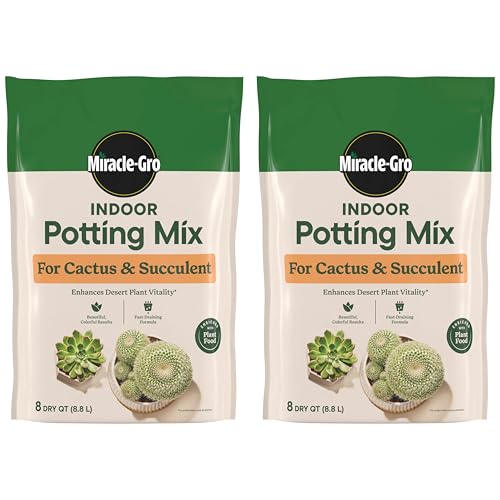
Bagged cactus mix is a good starting point, but many retail blends hold more moisture than a fresh cutting likes. Adding grit makes a big difference.
| Ingredient | Proportion | Purpose |
|---|---|---|
| Cactus or succulent mix | 50 to 60 percent | Base structure and some nutrients |
| Perlite or pumice | 30 to 40 percent | Drainage and air pockets |
| Coarse sand or fine gravel | 10 percent | Weight to steady tall cuttings |
Avoid regular potting soil on its own. It stays wet far too long and can compact around the base.
Picking the Right Container
Unglazed terracotta wicks moisture and lets air reach the roots. Plastic works if you water less often, but check the mix more carefully before each watering.
Every pot needs a drainage hole. A decorative pot with no hole traps water at the bottom, and that soggy layer is exactly where a new cutting’s base sits.
Rooting in Water Is Not a Good Idea
Some plants root well in a jar of water, but cactus cuttings usually rot that way. Water roots are also fragile and adapt poorly when moved to dry soil.
Stick with dry, gritty mix from the start. It matches the conditions this cactus is built for.
How Much Water and Light Does a New Cutting Need?
Give no water for the first 5 to 7 days after planting, then water lightly only when the mix is completely dry. Provide bright indirect light during rooting and increase sun gradually once roots form.
A Rooting-Stage Watering Schedule
Without roots, a cutting cannot use much water, so most of it just sits in the mix. A small drink every 10 to 14 days is usually enough in warm conditions.
Pour slowly around the edges, about a quarter to a third of the pot’s volume, rather than soaking the whole pot. In a cool winter room, you may stretch the interval to 3 weeks.
Light by Window Direction
- South window: Ideal for most of the year, but set rooting cuttings 2 to 3 feet back or behind a sheer curtain at first.
- West window: Strong afternoon light that works well; watch for pale or bleached patches in summer.
- East window: Gentle morning sun that suits a rooting cutting; established plants may stretch here.
- North window: Usually too dim; add a grow light for steady results.
Temperature and Airflow
Roots form fastest between 70 and 85°F. A warm room with steady temperatures does far more than any rooting product.
In winter, keep cuttings at least a foot from cold glass at night and out of direct heat blasts from radiators or vents. Gentle air movement from a ceiling fan on low helps the soil surface dry evenly.
Sophia’s tip: If your apartment runs cool in winter, set the pot on a seedling heat mat set around 75°F. Bottom warmth encourages roots without drying out the whole stem.
How Do You Know the Cutting Has Rooted?
Most cuttings root within 3 to 6 weeks in warm conditions. The clearest signs are resistance when you tug gently, firming of the stem, and new growth at the top.
Signs of Success
- The cutting stays put when you give it a very gentle tug.
- Slight wrinkling or softness from the callus stage starts to plump back up.
- A pale green or fresh-spined tip appears at the top of the column.
- Water disappears from the mix a bit faster than before.
Checking Without Damaging Roots
Avoid pulling the cutting out to look. New roots are thin and snap easily, which sets the process back by weeks.
If you must check, tip the pot sideways and look at the drainage hole. White root tips sometimes show there first in a small pot.
When Nothing Seems to Happen
Slow rooting is usually caused by cool temperatures, low light, or a cutting taken in late fall. Some thick sections simply take 8 weeks or more.
If the cutting is still firm and green after 2 months but has no roots, read our guide on Peruvian apple cactus not rooting for detailed causes and fixes.
Why Cuttings Rot, Shrivel or Turn Yellow, and How to Fix Each
Rot comes from moisture on unhealed tissue, shriveling comes from long dry spells or a cutting that never rooted, and yellowing usually means stress from water or light. Each problem has a clear fix if you catch it early.
Soft, Black or Mushy Base
This is rot, almost always from planting before the callus formed or watering too soon. The tissue turns brown or black and feels soft when pressed.
Remove the cutting, slice above the rotted area into clean green tissue, and wipe the blade between cuts. Let the new end callus again for 2 to 3 weeks, then replant in fresh, dry mix.
Deep Wrinkling That Does Not Recover
Mild wrinkling is normal during callusing. Deep wrinkles that persist after 6 or more weeks suggest the cutting has no roots to take up water.
Check the base gently. If it is firm but rootless, move it somewhere warmer and brighter, and keep watering on the light schedule.
Yellow, Pale or Bleached Stem
A yellow or washed-out stem can come from sudden strong sun, overwatering, or a cutting that is using up its stored nutrients. Sunburn often shows as tan or whitish patches on the side facing the window.
Move the pot back from the glass and review your watering. For a fuller breakdown, see our article on Peruvian apple cactus yellowing.
| Symptom | Likely cause | Fix |
|---|---|---|
| Black, soft base | Planted too early or overwatered | Cut above rot, re-callus, replant dry |
| Persistent deep wrinkles | No roots yet, too cool or dim | Add warmth and light, keep watering light |
| Tan or white patches | Sunburn | Move back from the glass, add sun gradually |
| Leaning or toppling | Top-heavy, no roots yet | Stake it or add stones to the surface |
How Do You Care for the Cactus After It Roots?
Once your cutting shows new growth, treat it like a young established cactus: more sun, deeper but infrequent watering, and a light feeding during warm months. Transition slowly over 2 to 3 weeks.
Moving Into Full Sun
Gradually shift the pot closer to a south or west window over a few weeks. Peruvian apple cactus grows best with at least 4 to 6 hours of direct sun indoors.
Rotate the pot a quarter turn every week or two so the column grows straight instead of leaning toward the light.
Watering and Feeding Through the Seasons
In spring and summer, water thoroughly when the mix is completely dry, letting excess drain out. In winter, cut back to every 3 to 6 weeks, depending on how warm and bright your room is.
Feed with a diluted cactus fertilizer once a month from spring through late summer. Skip feeding in fall and winter when growth slows.
For a full seasonal routine, including repotting and pests, see our guide on how to care for Peruvian apple cactus.
Growth Rate and Outdoor Summers
This is one of the faster-growing columnar cacti, often adding several inches a year indoors and more in strong sun. If you are curious about realistic numbers, our article on how fast do Peruvian apple cactus grow covers what to expect.
Many apartment growers move their cactus to a balcony for summer, then bring it in before nights drop below 50°F. If you live somewhere milder and want to plant it outdoors, check will a Peruvian apple cactus grow in zone 8 before committing.
Pets and Kids
The spines are the main confirmed hazard, since they can injure paws, mouths and small hands.
Check the ASPCA toxic and non-toxic plant list for this species before assuming it is safe, and place the pot on a high shelf or in a room pets do not use.
Sophia’s tip: Repot your new cactus only after it has filled its first pot with roots, usually after one full growing season. Moving it into a much larger pot too soon leaves extra soil that stays wet and invites rot.
Your Next Steps
- Pick a firm, green 6 to 12 inch stem section and cut it with a clean, sharp knife.
- Let the cut end callus in a dry, shaded spot for 1 to 3 weeks until it is firm.
- Plant it 1 to 2 inches deep in dry, gritty cactus mix in a small terracotta pot.
- Wait 5 to 7 days before the first light watering, then water only when fully dry.
- Keep it at 70 to 85°F in bright indirect light, adding a grow light in dim months.
- Move it gradually into direct sun once new growth appears.
Common Questions About Growing Peruvian Apple Cactus from Cutting
Can you root a Peruvian apple cactus cutting in winter?
Yes, but it usually roots more slowly because indoor light is weaker and rooms run cooler. Keep the pot near a bright window, away from cold glass, and use a grow light or heat mat to speed things up.
How deep should you plant a cactus cutting?
Plant the callused end about 1 to 2 inches deep, or just deep enough to hold the cutting upright. Planting deeper puts more stem in contact with damp soil, which raises the risk of rot.
Will the mother plant grow back where you cut it?
Yes, the cut stem will callus and usually sprout one or more new arms just below the cut. Keep the mother plant on the dry side for a week or two while the wound heals.
Can you plant a cutting that was cut in the middle of a stem?
Yes, a section cut from the middle of a column can root as long as you plant the bottom end down. Mark which end was the top before it calluses, since it can be hard to tell later.
How many cuttings can you take from one plant?
A healthy, mature plant can usually spare a few arms at once without harm. Leave enough green stem on the mother plant to keep it growing strongly, and space cuts over time if the plant is small.

Hi! I’m Sophia, and I love plants – especially an expert in growing house plants. I stay in Chicago, United States of America, and through my blog and social media platforms, provide tips and tricks on how to grow healthy, vibrant plants indoors. Check out more here.