Is Snake Plant Toxic to Cats? Symptoms, What to Do, Safe Swaps
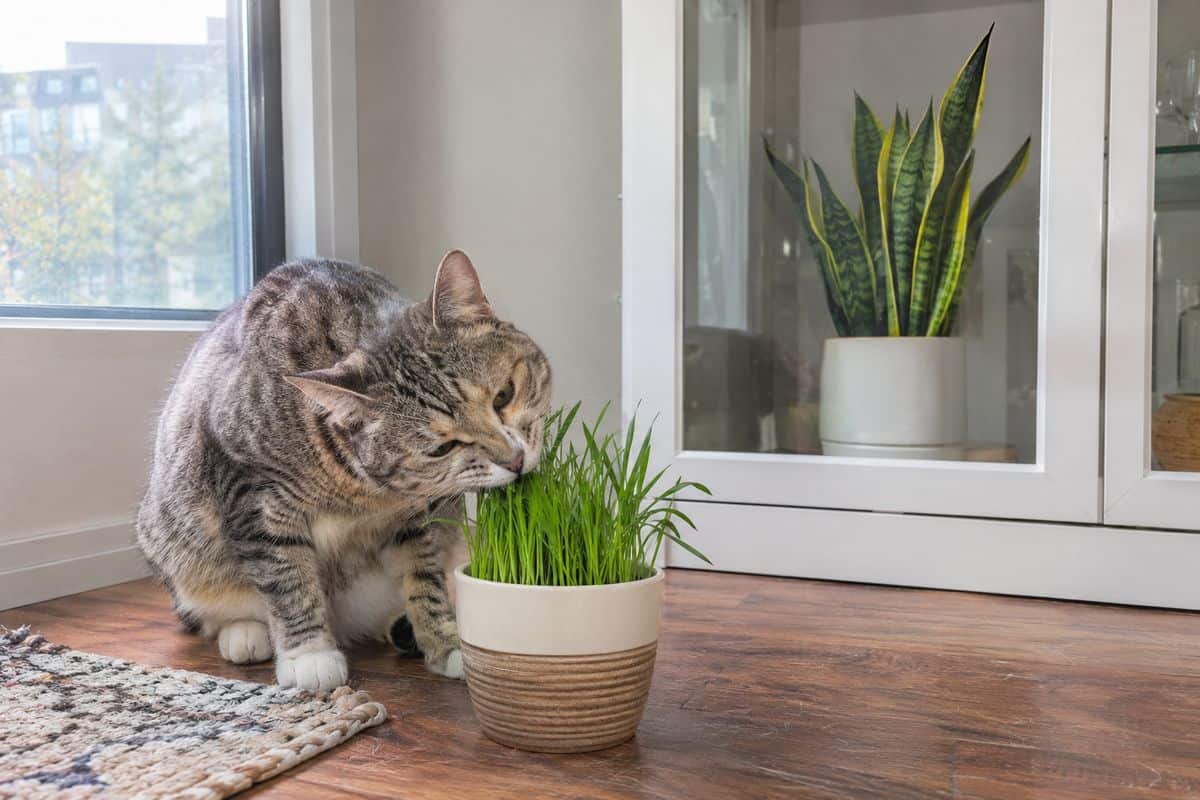
Tabby cat chewing cat grass while a snake plant sits behind glass in a cabinet

The short answer: snake plants are mildly toxic to cats. The leaves contain saponins, which irritate the stomach, so a cat that chews one usually drools, vomits or gets diarrhea for a few hours, and lasting harm is rare. On the ASPCA’s plant list it appears as mother-in-law’s tongue (Sansevieria trifasciata), flagged for both cats … Read more >>
Why Is My Snake Plant Dying? Triage, Causes and How to Save It

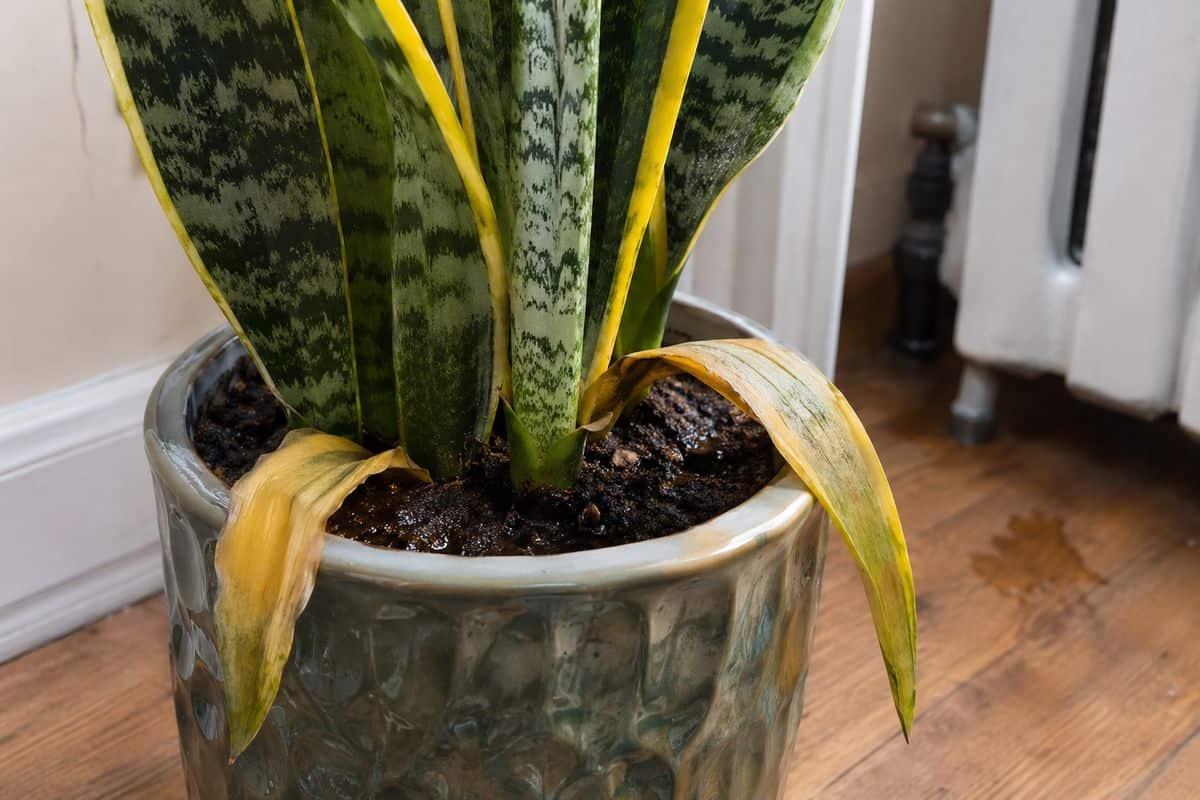
Snake plant with yellow leaves collapsing at the soil line in a decorative pot with wet soil

A dying snake plant usually shows it in one of three ways: leaves collapsing at the soil line, leaves turning yellow and soft from the base, or the whole plant wilting and wrinkling. All three can be stopped if you catch them while the underground stem is still firm. Most likely cause: root rot from … Read more >>

Snake Plant Leaves Splitting: 7 Causes and What to Do

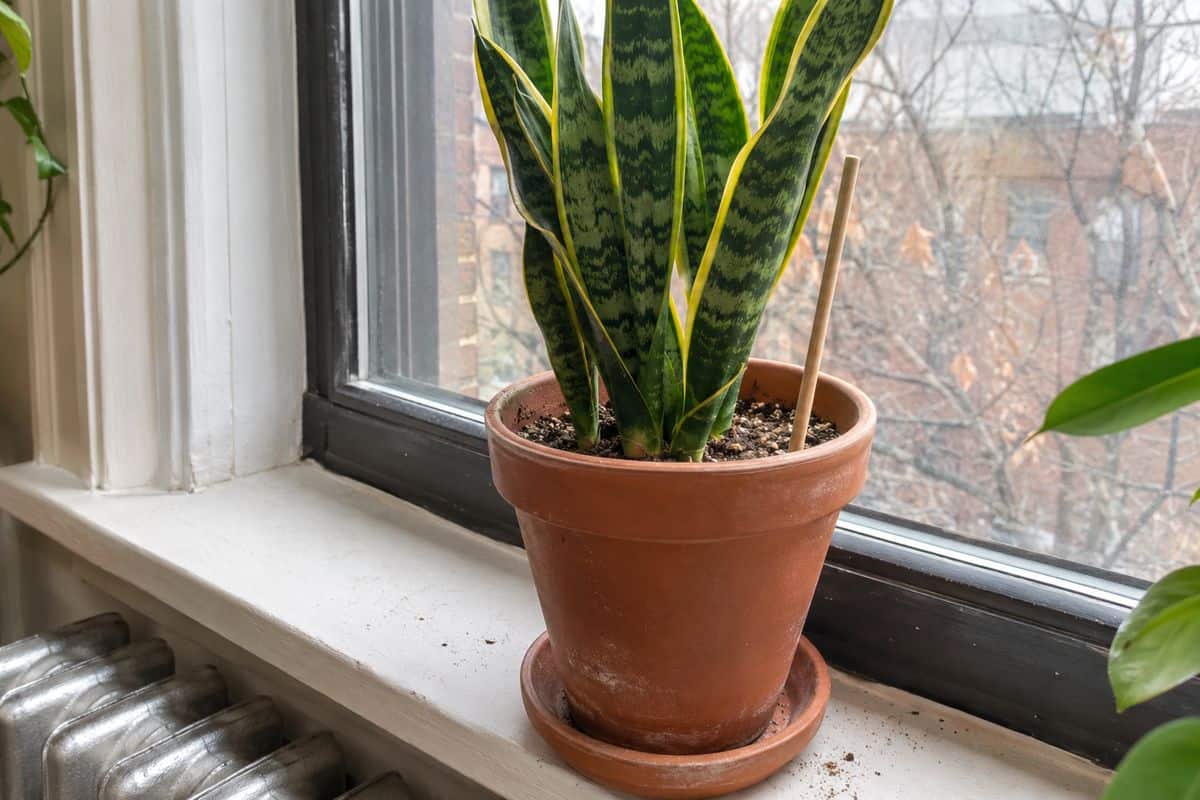
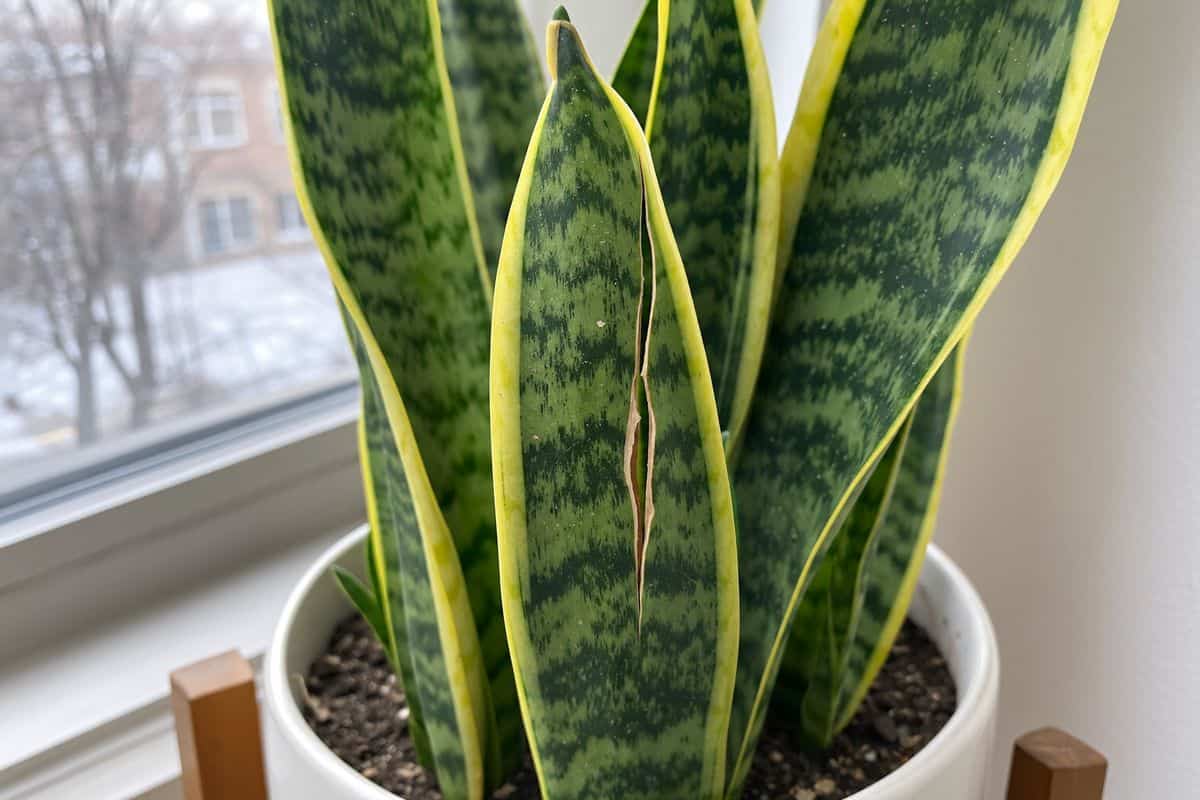
Snake plant leaf with a lengthwise split in a white pot near a north-facing window

A snake plant leaf with a crack running up its length, or a tear across it, usually splits for a simple reason, and the rest of the plant is fine. Most likely cause: a long dry spell followed by a heavy watering, which makes the leaf cells swell faster than the tough skin can stretch. … Read more >>

Are Snake Plants Toxic to Dogs? What Happens and What to Do

Dog lying on a living room floor looking up at a snake plant placed out of reach on top of a bookshelf

The short answer: yes, snake plants are toxic to dogs, but mildly. The leaves contain saponins, bitter plant compounds that upset the stomach, so a dog that chews one usually gets drooling, vomiting or diarrhea that settles on its own, and serious poisoning is rare. The ASPCA lists the snake plant (under its old name, … Read more >>

Snake Plant Spider Mites: How to Spot Them and Get Rid of Them

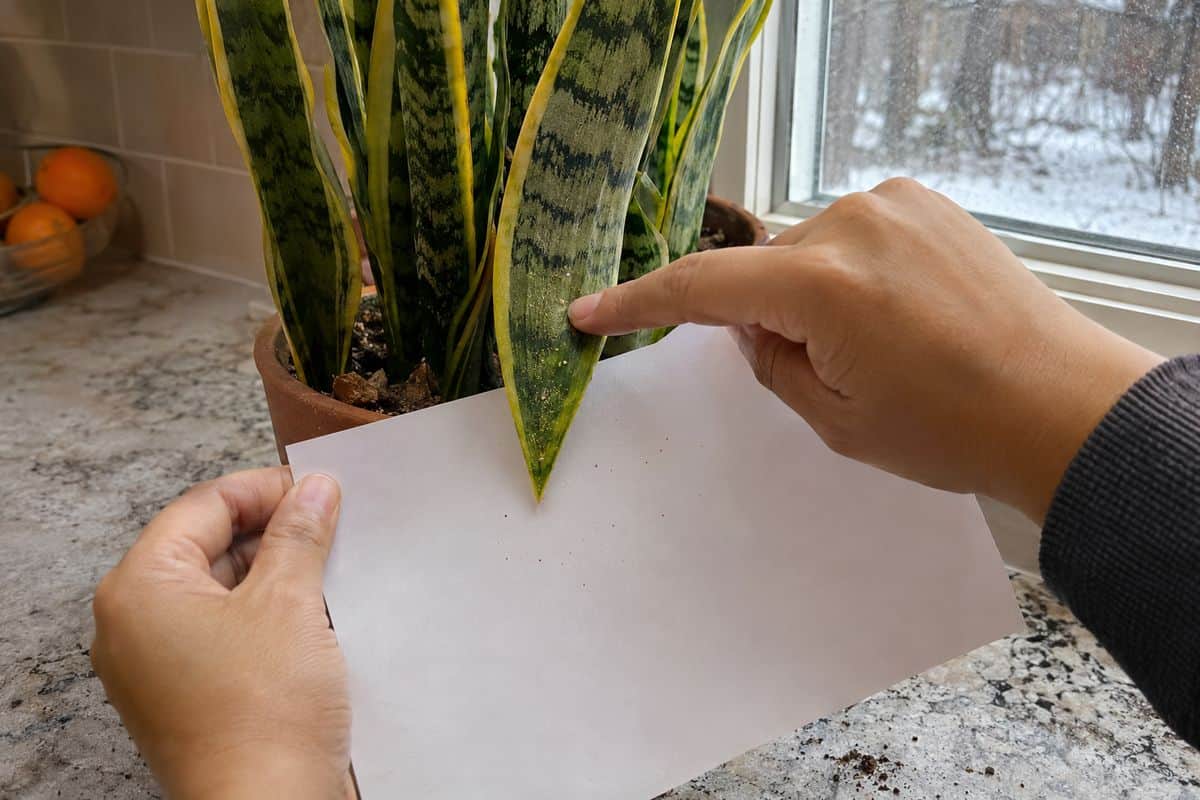
Hands holding white paper under a snake plant leaf to check for spider mites

Spider mites can strip a snake plant’s leaves to a dull, speckled gray in a few weeks, and they’re almost always worst in winter, when forced-air heat drops indoor humidity to 20 or 30 percent. Best method for most homes: rinse the plant, then spray every leaf surface with insecticidal soap every 5 to 7 … Read more >>

Why Your Snake Plant Has Brown Tips and How to Trim Them

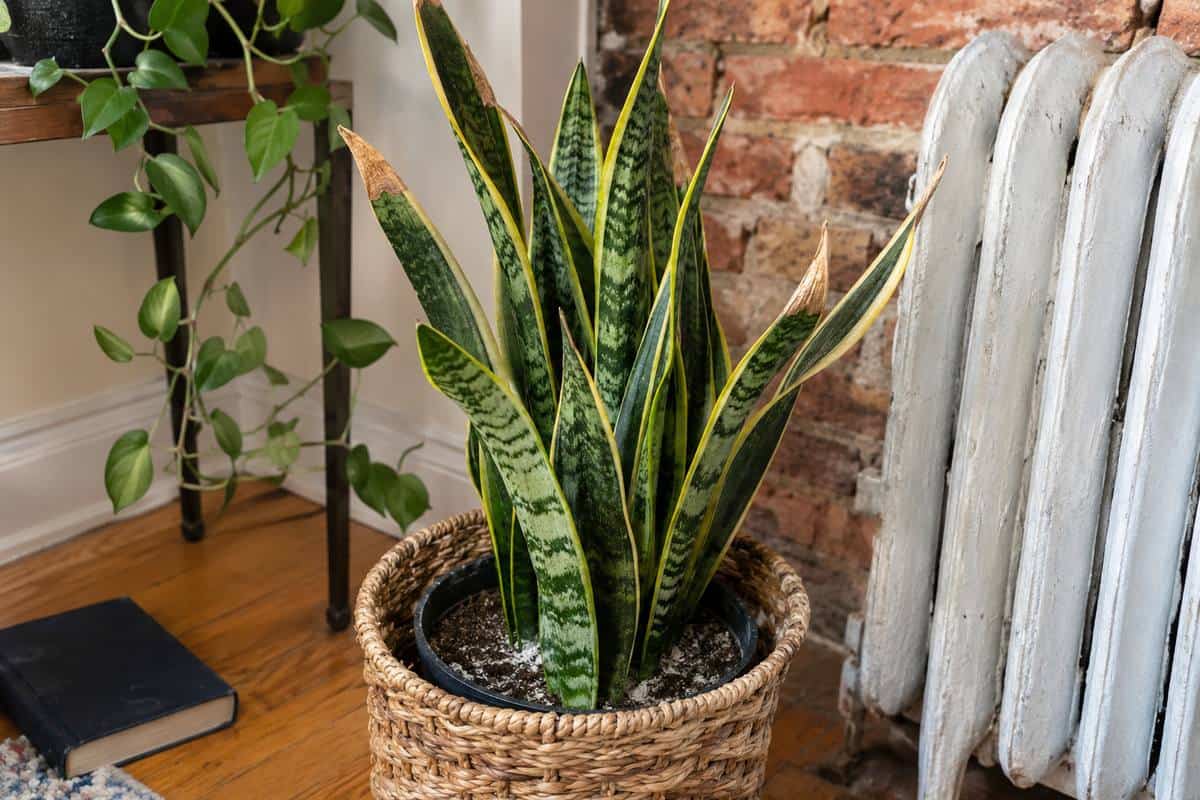
Snake plant with brown leaf tips in a woven basket next to a radiator in an apartment corner

Brown, crispy tips on a snake plant are common, and they rarely mean the plant is in danger. They do mean something in its care is off, and since the brown never turns green again, the cause is worth finding. Most likely cause: wet roots from watering too often, with salt and mineral build-up in … Read more >>

Are Clay Pots Good for Cactus? Terracotta vs Plastic Pots

How Are Clay Pots Good for a Cactus

You’ve got a new cactus, a shelf of pots to choose from, and a vague memory that cacti are supposed to go in clay. My pick: unglazed terracotta with a drainage hole, for most indoor cacti in most US homes. It dries the soil faster than plastic, and that protects against the most common way … Read more >>

How Deep Do Cactus Roots Grow? Depth, Spread and Pot Size

How Deep Do Cactus Roots Grow

Most cactus roots grow only 4 to 10 inches deep, even on large plants, but they spread sideways a long way, often as far out as the plant is tall or farther. A few kinds grow a thick taproot that goes deeper, and the biggest desert cacti rarely root much past 2 to 3 feet … Read more >>

How Fast Does a Peruvian Apple Cactus Grow Indoors and Out?

How Fast Do Peruvian Apple Cactus Grow

Peruvian apple cactus is the one cactus people buy small and then measure against the ceiling a few years later. It’s tough, it forgives a missed watering, and it shows you every bit of light you give it by how fast it climbs. The short version: outdoors in a warm climate, an established Peruvian apple … Read more >>