
Your snake plant sits in the corner looking exactly the way it did last spring, with the same stiff leaves and not a single new shoot pushing up from the soil.
If you want to make a snake plant grow faster, the good news is that a few targeted changes to its indoor setup can make a real difference.
The short version: Give your snake plant brighter light, keep it warm, water only when the soil is completely dry, and feed it lightly in spring and summer.
A snug pot with fast-draining soil and a repot every few years keep the roots healthy enough to support new leaves. Even with perfect care, it will never be a fast grower, but it can go from static to steady.
This guide covers normal growth rates, the seven changes that help most, and the common habits that slow a snake plant down instead.
At a Glance
| Factor | What it needs |
|---|---|
| Light | Bright indirect light with some gentle direct sun, such as an east or west window |
| Water | Only when the soil is fully dry; less often in winter |
| Temperature | 70 to 90°F for active growth; keep above 50°F |
| Soil | Cactus or succulent mix in a pot with a drainage hole |
| Fertilizer | Balanced liquid fertilizer at half strength, monthly in spring and summer |
| Pet safety | Toxic to cats and dogs (ASPCA) |
| Difficulty | Easy to keep alive; patience needed for growth |
How Fast Does a Snake Plant Normally Grow?
A healthy indoor snake plant in good conditions may add only a handful of new leaves a year. Most of that growth happens in spring and summer, and almost none happens in winter.
That slow pace surprises a lot of growers. Snake plants evolved to survive tough, dry conditions, so they store energy carefully and grow in short bursts rather than putting out leaves steadily all year.
What Normal Growth Looks Like
New leaves emerge as tight, pointed spears from the soil or from the base of existing leaves. They can take weeks to reach full height and unfurl. Older leaves usually stop getting taller once they mature, so most visible change comes from new shoots.
In a dim room, a snake plant can go a full year or longer with no new leaves at all. It stays green and firm, which makes it look healthy, but it is barely growing.
If that sounds like your plant, our guide to a snake plant not growing can help you rule out specific problems first.
How to Track Progress
Two simple tools make it easier to see whether your changes are working. A soil moisture meter tells you when the pot is truly dry, and a basic measuring tape lets you note the height of new spears every few weeks.
Measure from the soil line to the tip of the newest leaf and jot down the date. Since growth is slow, comparing numbers over a season gives you a clearer picture than eyeballing the plant day to day.
Sophia’s tip: Put a small piece of masking tape on the pot rim next to the newest spear and write the date on it. When the next spear appears, you will know exactly how long the plant took between leaves.
Why Seasons Matter Indoors
Even inside a heated apartment, snake plants respond to shorter winter days. Lower light from October through February signals the plant to rest. Expect little or no growth during those months, and save most of your efforts for spring and summer.
Give It More Light
Light is the single biggest factor in how fast a snake plant grows. Bright indirect light with a little gentle direct sun produces the fastest growth, while low light keeps the plant alive but nearly static.
Snake plants have a reputation as low-light plants, and they do tolerate dim corners well. Tolerating a spot is different from thriving in it, though. A plant in a dark hallway can stay unchanged for years.
Pick the Right Window
An east window is a strong choice, since it gives soft morning sun that warms the leaves without scorching them. A west window works well too, as long as the plant sits a little back from the glass during hot summer afternoons.
North windows usually provide too little light for real growth, especially in winter. South windows can work beautifully if you set the plant a few feet back or behind a sheer curtain.
Watch the Distance From the Glass
Light drops off quickly as you move away from a window. A snake plant 2 feet from the glass gets far more usable light than one 8 feet across the room, even if the room looks bright to you.
For the best results, keep the plant within about 3 feet of an east or west window. Rotate the pot a quarter turn every couple of weeks so all sides get exposure and the leaves grow upright instead of leaning.
Add a Grow Light in Dim Rooms
If your apartment has small windows, faces another building, or gets little sun, a full-spectrum grow light can fill the gap. Position it 12 to 24 inches above or beside the plant and run it for 10 to 12 hours a day.
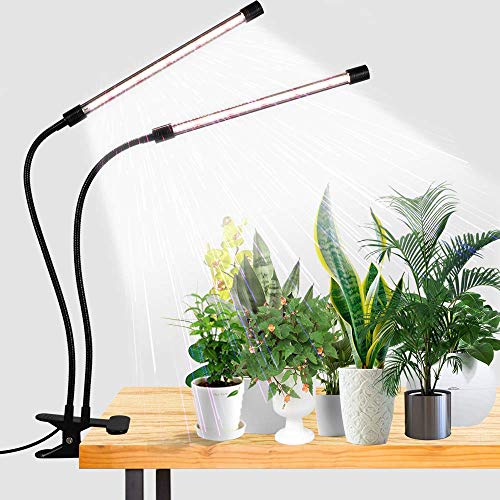
A simple outlet timer keeps the schedule consistent, which matters more than most people expect. For more detail on timing across different plants, see this guide on how long to keep grow lights on.
Increase Light Gradually
If your snake plant has lived in low light for a long time, do not move it straight into strong direct sun. Its leaves can scorch, showing pale or brown patches.
Shift it closer to the window over one to two weeks so it can adjust.
Keep It Warm
Snake plants grow fastest at 70 to 90°F. Below 60°F growth stops, and you should always keep the plant above 50°F to avoid cold damage.
Warmth works hand in hand with light. A bright plant in a chilly room will still grow slowly, because its metabolism slows down in the cold.
Avoid Cold Glass in Winter
Window glass gets very cold in winter, especially in places with long, freezing stretches. Leaves pressed against the pane can chill well below the room temperature, even when the thermostat reads 70°F.
Keep leaves a few inches away from the glass during cold months. At night, closing a curtain between the plant and the window can also help, as long as the plant is not trapped in the cold pocket behind it.
Mind Radiators and Forced-Air Vents
Heat sources can help or hurt. A spot near, but not touching, a radiator can keep the plant pleasantly warm. Placing it directly on top of a radiator or in front of a forced-air vent can overheat the roots and dry out the soil unevenly.
Aim for steady, moderate warmth. A few feet from a heat source is usually ideal.
Watch for AC Drafts in Summer
Air conditioning vents blow cold, dry air that can drop the temperature around the plant well below the rest of the room. Move your snake plant out of the direct path of any vent during summer, which is its main growing season.
Dry winter air from heating is less of a concern than you might think. Snake plants handle average home humidity well, and you can read more in this guide to snake plant humidity.
Water on the Right Schedule
Water your snake plant only when the soil is fully dry, then water thoroughly. Overwatering causes root rot, which is the main killer of snake plants and a major reason they stop growing.
Many people assume more water means more growth. With snake plants, the opposite is usually true. Damaged roots cannot take up water or nutrients, so a soggy plant stalls even before it shows obvious symptoms.
How to Tell When It’s Dry
Push a finger 2 inches into the soil. If it feels even slightly damp, wait. For larger pots, a wooden skewer or moisture meter pushed toward the bottom gives a more accurate read.
You can also lift the pot. A fully dry pot feels noticeably lighter than one that was just watered, and you will learn the difference after a few cycles.
How to Water
When the soil is dry, water slowly until it runs out of the drainage hole. Let the pot drain completely, then empty the saucer so the roots never sit in standing water.
Avoid pouring water into the center of the leaf rosette. Water trapped at the base of the leaves can lead to rot.
Adjust for the Season
In spring and summer, when the plant is warm and growing, the soil dries faster. Depending on light and pot size, watering might be needed every two to three weeks.
In fall and winter, growth slows and the soil stays moist much longer. Watering once a month or even less is common. Check the soil rather than following a fixed date.
If you are unsure whether your plant is getting too much or too little, this guide to the overwatered vs underwatered snake plant explains the signs side by side.
| Sign | Likely cause |
|---|---|
| Soft, mushy leaves at the base | Overwatering |
| Yellowing leaves with damp soil | Overwatering |
| Wrinkled, curling leaves with bone-dry soil | Underwatering |
| Brown, crispy tips | Underwatering or inconsistent watering |
Feed It in Spring and Summer
Feed your snake plant with a balanced liquid houseplant fertilizer at half strength about once a month during spring and summer. Skip feeding entirely in fall and winter.

Fertilizer gives the plant the nutrients it needs to build new leaves when light and warmth allow it to grow. It cannot force growth on its own, so it works best after you have already improved light and temperature.
How to Apply Fertilizer
Mix the fertilizer at half the strength listed on the label. Apply it to soil that is already slightly moist, or right after a normal watering, to avoid stressing dry roots.
A balanced formula has roughly equal amounts of the three main nutrients. Snake plants do not need anything specialized, and a general houseplant formula works well.
Why Less Is More
Snake plants are light feeders. Too much fertilizer builds up salts in the soil, which can burn roots and cause brown leaf tips. Burned roots grow even more slowly than unfed ones.
If you see a white crust on the soil surface or pot rim, flush the soil by watering thoroughly and letting it drain completely, then wait a month before feeding again.
Sophia’s tip: Set a monthly phone reminder labeled “feed snake plant” that runs from April through August only. It keeps you consistent in the growing season and stops you from feeding out of habit in winter.
When to Stop
Stop feeding in early fall as the days shorten. A resting plant cannot use the nutrients, so they simply accumulate in the soil.
Choose the Right Pot and Soil
Plant your snake plant in a cactus or succulent mix in a pot with a drainage hole. A pot only 1 to 2 inches wider than the root ball is ideal, and terracotta helps the soil dry out between waterings.

The right pot and soil support every other change on this list. Fast drainage protects the roots from rot, and healthy roots are what power new growth.
Why Soil Matters
Regular potting soil holds a lot of moisture, which is great for many tropical plants but risky for snake plants. A cactus or succulent mix contains more grit and drains quickly, so the roots get air as well as water.
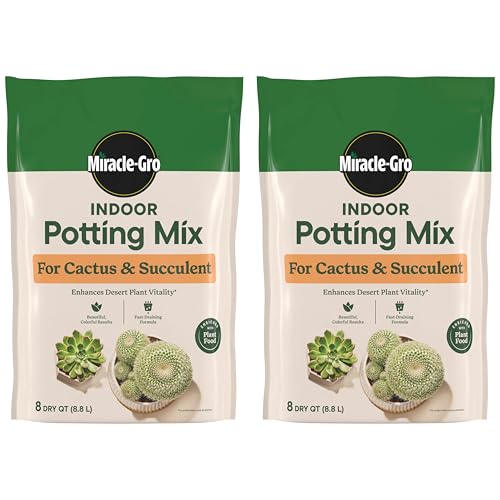
If you only have regular potting soil, mixing in coarse perlite or pumice can improve drainage. The goal is soil that dries out within about a week or two after watering in warm months.
Why Pot Size Matters
A pot that is too large holds more soil than the roots can use. That extra soil stays wet for a long time, which raises the risk of rot and often slows growth.
Choose a pot just 1 to 2 inches wider than the current root ball. This snug fit encourages the plant to fill the space with roots and then send up new leaves.
Pot Materials Compared
| Material | Drying speed | Best for |
|---|---|---|
| Terracotta | Fast | Most homes; anyone who tends to overwater |
| Glazed ceramic | Medium | Bright, warm rooms where soil dries quickly |
| Plastic | Slow | Very dry rooms or growers who underwater |
Terracotta is my first choice for snake plants in most apartments. Its porous walls pull moisture out of the soil, which gives you a wider margin for error with watering.
Always Use a Drainage Hole
A decorative pot without a hole traps water at the bottom, out of sight. If you love a pot with no drainage, use it as a cover and set a nursery pot with holes inside it. Empty any water that collects after each watering.
Repot or Divide When It’s Crowded
Snake plants like to be a little snug, but a cracking pot or hard-circling roots means it is time to repot or divide. This usually happens every 2 to 3 years and is best done in spring.
A plant that is badly root-bound runs out of room and nutrients, and its growth slows. Repotting at the right time gives the roots fresh soil and space to support new leaves.
Signs It Needs More Room
- The pot is cracking, bulging, or splitting
- Roots are circling tightly around the inside of the pot
- Roots are pushing out of the drainage hole
- Water runs straight through without soaking in
- The plant is so crowded that new shoots have no room to emerge
How to Repot
Spring is the best time, because the plant is entering its growing season and will recover quickly. Gently slide the plant out, loosen circling roots, and remove any that look black or mushy.
Move it into a pot just 1 to 2 inches wider, filled with fresh cactus or succulent mix. Wait about a week before watering so any damaged roots can heal. For a full walkthrough, see this guide on repotting a snake plant.
When to Divide Instead
If your plant has formed several separate clumps of leaves, dividing can be a better option than moving it into a bigger pot. Separate the clumps at the root with clean hands or a clean knife, making sure each section has healthy roots.
Pot each division into its own snug container. Smaller divisions often push out new growth more readily than one overcrowded pot.
You can also start new plants from individual leaves, though this is a slow process. Learn more about growing snake plant cuttings if you want to multiply your collection.
What Won’t Make a Snake Plant Grow Faster
Extra water, misting, strong fertilizer, frequent repotting, and moving the plant around will not speed growth. Most of these habits actually slow a snake plant down or put it at risk.
When a plant seems stuck, it is tempting to try everything at once. With snake plants, restraint usually works better than effort.
Extra Water
More water does not mean more growth. Soil that stays wet suffocates the roots and leads to rot, which can kill the plant. Stick to watering only when the soil is fully dry.
Misting
Snake plants do not need misting and gain nothing from it. Water sitting on the leaves or in the center of the rosette can encourage rot and fungal spots, especially in cool rooms.
Strong Fertilizer
Using full-strength or extra fertilizer will not force faster growth. It builds up salts that burn the roots and brown the leaf tips. Half strength once a month in the growing season is enough.
Frequent Repotting
Repotting every year disturbs the roots and forces the plant to spend energy recovering instead of growing leaves. Since snake plants prefer a snug fit, repot only when you see clear signs of crowding.
Moving the Plant Around
Each time you move a snake plant to a new spot, it has to adjust to different light and temperature. Constant moves keep it in a state of adjustment. Choose a good location, make one gradual move if needed, and then leave it alone.
Sophia’s tip: Once you find a bright spot that works, mark the floor or windowsill position with a small piece of removable tape. After cleaning or rearranging, you can return the plant to the exact same place.
A Note on Pet Safety
Snake plants are toxic to cats and dogs, according to the ASPCA. Chewing on the leaves can cause nausea, vomiting, and drooling.
Place your plant on a high shelf or in a room pets and young kids cannot reach, especially if you move it closer to a window.
Your Next Steps
- Move your snake plant within about 3 feet of an east or west window, or add a full-spectrum grow light 12 to 24 inches away for 10 to 12 hours a day.
- Check the room temperature near the plant and keep it between 70 and 90°F during spring and summer, away from cold glass and AC vents.
- Test the soil before every watering and water only when it is completely dry.
- Start feeding with a balanced liquid fertilizer at half strength once a month from spring through summer.
- Inspect the pot for cracks or circling roots and plan a spring repot or division if needed.
- Measure the newest leaf and write down the date so you can track progress over the season.
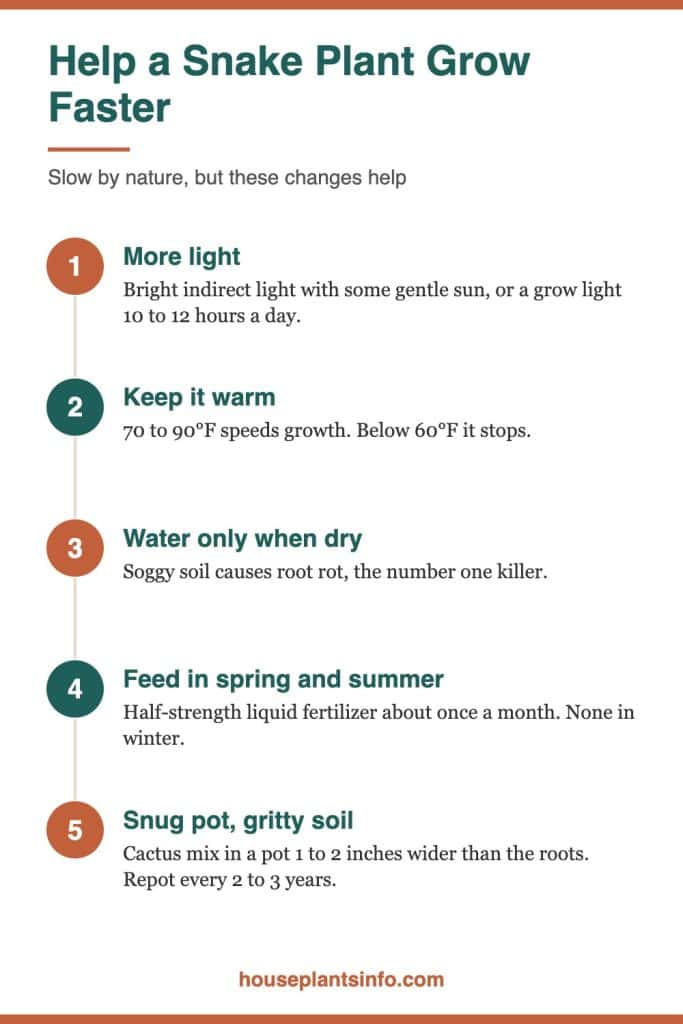
Common Questions About Making a Snake Plant Grow Faster
How many new leaves should a snake plant grow in a year?
A healthy indoor snake plant in good conditions may produce only a handful of new leaves a year. Most of them appear in spring and summer. In low light or cool rooms, it may produce none at all.
Can a grow light really help a snake plant grow faster?
Yes, a full-spectrum grow light can make a noticeable difference in a dim room. Keep it 12 to 24 inches from the plant and run it for 10 to 12 hours a day. A timer helps keep the schedule consistent.
Why is my snake plant not growing in winter?
Snake plants naturally rest in winter because of shorter days and lower light. Growth slows or stops, especially if the room drops below 60°F. This is normal, and growth should resume in spring.
Should I use a bigger pot to encourage growth?
No, a pot that is too large holds extra wet soil and raises the risk of root rot. Choose a pot only 1 to 2 inches wider than the root ball. Snake plants grow best when they are slightly snug.
Is it safe to keep a snake plant around pets?
The ASPCA lists snake plants as toxic to cats and dogs. Eating the leaves can cause stomach upset, vomiting, and drooling. Keep the plant out of reach of pets and young children.

Hi! I’m Sophia, and I love plants – especially an expert in growing house plants. I stay in Chicago, United States of America, and through my blog and social media platforms, provide tips and tricks on how to grow healthy, vibrant plants indoors. Check out more here.