
You are looking at a shelf of plants that keep fading after a year or two, and you want something that will still be growing by that window ten or twenty years from now.
Choosing the longest living houseplants to get for your houseplant collection is mostly about picking species that grow slowly, store water and forgive the dry air and dim winters of a typical home.
The short version: Snake plant, ZZ plant, jade plant, cast iron plant, Christmas cactus, hoya and sago palm can all live for decades indoors with basic care.
Spider plant, pothos and English ivy can be kept going indefinitely through cuttings and offsets. The real secret is steady light, careful watering and occasional repotting.
This guide covers 12 long-lived plants sorted by light and pet safety, plus the care habits that keep them alive for generations.
At a Glance
| Factor | What it needs |
|---|---|
| Light | Most long-lived picks tolerate low to medium light; jade, sago and ponytail palm want a bright window |
| Water | Let the top 1 to 2 inches dry for foliage plants; let succulents dry completely |
| Humidity | Average home humidity of 30 to 50% suits nearly all of them |
| Temperature | 60 to 80°F, away from radiators, heat vents and AC drafts |
| Soil | Well-draining potting mix; cactus mix for succulents and sago palm |
| Pet safety | Spider plant, cast iron plant, Christmas cactus, hoya and ponytail palm are ASPCA non-toxic |
| Difficulty | Easy; overwatering is the most common way these plants are lost |
What Makes a Houseplant Live for Decades?
Long-lived houseplants share three traits: slow growth, the ability to store water and tolerance for imperfect indoor conditions. Plants built to survive drought, shade or poor soil in the wild handle missed waterings and dim winters far better than fast, thirsty growers.
Slow Growth Means Less Stress
A plant that adds only a few leaves a year needs less water, less fertilizer and less frequent repotting. It is less likely to outgrow its pot, exhaust its soil or stretch toward the window.
Cast iron plant, ZZ plant and sago palm all fit this pattern.
Water Storage Is a Safety Net
Thick leaves, swollen stems and underground rhizomes hold reserves that carry a plant through a forgotten watering or a long trip. Many of the plants on this list are houseplants with thick leaves, and that is not a coincidence.
The trade-off is that these same plants rot easily in soggy soil. A soil moisture meter helps you water only when the root zone is actually dry, rather than following a fixed calendar.
Matching Light Keeps Growth Steady
A long life depends on light that matches the species. A plant forced to survive several feet from a north window may hang on for years, but it slowly weakens.
If your best spot is dim, a full-spectrum grow light set 12 to 24 inches above the leaves for 10 to 12 hours a day fills the gap.
The Longest Living Houseplants to Get for Your Houseplant Collection
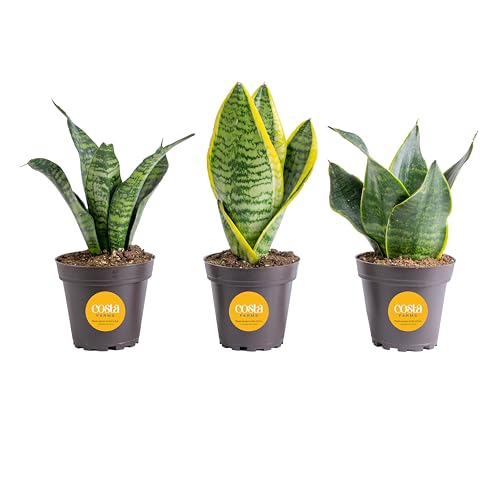
The toughest long-term foliage plants are snake plant, ZZ plant, cast iron plant and spider plant. They handle low to medium light, dry winter air and irregular watering better than almost anything else you can buy.
| Plant | Typical indoor lifespan | Light | ASPCA status |
|---|---|---|---|
| Snake plant | 10 to 25+ years | Low to bright | Toxic |
| ZZ plant | 10+ years | Low to medium | Not listed; contains calcium oxalate |
| Cast iron plant | 10 to 50 years | Low to medium | Non-toxic |
| Spider plant | Indefinitely through plantlets | Medium to bright | Non-toxic |
| Jade plant | 50 to 100 years | Bright | Toxic |
| Christmas cactus | 20 to 100 years | Bright, indirect | Non-toxic |
| Hoya (wax plant) | 20+ years | Medium to bright | Non-toxic |
| Sago palm | 50+ years | Bright | Toxic |
| Ponytail palm | 20+ years | Bright | Non-toxic |
| Rubber plant | 25+ years | Medium to bright | Toxic |
| Pothos | Indefinitely through cuttings | Low to bright | Toxic |
| English ivy | Indefinitely through cuttings | Medium to bright | Toxic |
Snake Plant and ZZ Plant
Snake plant stores water in its stiff leaves and spreads by underground rhizomes, so one pot can keep producing new growth for decades. It tolerates a north window, a dim hallway or a sunny sill.
Let the soil dry completely, which may mean watering every 3 to 4 weeks in winter.
ZZ plant holds water in potato-like rhizomes beneath the soil. Its glossy leaves stay neat in low light, and it shrugs off weeks without water. Both plants can be divided when crowded, which effectively resets their lifespan.
Cast Iron Plant
Cast iron plant earned its name by surviving cool rooms, dim corners and neglect that would kill most foliage plants. It grows slowly, often adding only a few leaves a year.
Well-kept specimens are commonly passed down for decades, and dividing an old clump gives you new plants.
Water when the top 2 inches are dry and keep it out of direct afternoon sun, which can scorch the leaves.
Spider Plant
An individual spider plant can live for many years, but its real longevity comes from the plantlets it produces on long stems. Root a few in small pots and you can keep the same plant line going indefinitely.
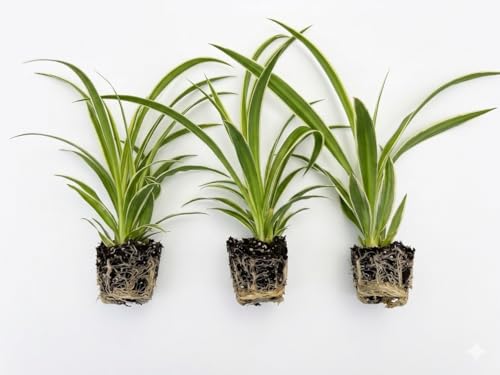
Brown tips usually point to dry air or salts and fluoride in tap water. Filtered water or tap water left out overnight helps keep the leaves clean.
Sophia’s tip: Spider plants grow fuller within 3 to 5 feet of an east or west window. If yours sits farther back, rotate the pot a quarter turn each time you water so it does not lean toward the glass.
Which Slow Growers Become Family Heirlooms?
Jade plant, Christmas cactus, hoya, sago palm and ponytail palm are the houseplants most often passed from one generation to the next. They grow slowly, store water and can live 20 to 100 years in a bright spot with consistent care.

Jade Plant and Other Succulents
Jade plant can live 50 to 100 years and develops a thick, tree-like trunk with age. It needs bright light, ideally within a few feet of a south or west window. Let the soil dry completely between waterings, then soak it thoroughly.
Most cacti and succulents follow the same rules. Many desert cacti grow very slowly and can live for decades indoors. Use a gritty cactus mix, a terracotta pot with a drainage hole and less water in winter.
Christmas Cactus and Hoya
Christmas cactus is a forest cactus, so it wants more water than desert types. Plants are often kept in families for 20 years or more, and some reach far older ages.
It blooms after cool nights near 55 to 60°F and long dark periods in fall.
Hoya, also called wax plant, has thick, waxy leaves and clusters of star-shaped flowers. It can live 20 years or more and blooms best when slightly root-bound. Do not cut off the old flower spurs, because new blooms form on them.
Sago Palm and Ponytail Palm
Sago palm is not a true palm but a cycad, an ancient plant group. It grows extremely slowly, often producing just one flush of fronds a year, and can live 50 years or more. Give it bright light and let the soil dry between waterings.
Ponytail palm stores water in a swollen base and handles dry indoor air well. It grows slowly and can live for decades in a bright window. Like sago, it rots quickly if the soil stays wet.
Sophia’s tip: Keep jade, sago and ponytail palm at least 2 feet from a radiator or heat vent in winter. They like warmth, but blasts of hot, dry air from forced-air heat can scorch leaves and dry the soil unevenly.
Are Pothos, Ivy and Air Plants Really Long-Lived?
Pothos and English ivy can be kept alive indefinitely because new plants root easily from cuttings. Air plants are different; each individual plant lives a few years, blooms once and then continues through the offsets, or pups, it produces.

Pothos (Devil’s Ivy)
Pothos is one of the easiest houseplants to keep for years. A single vine can live a long time, and any stem cutting with a node roots quickly in water. Many growers keep the same pothos going for decades by refreshing it with cuttings.
Water when the top 2 inches of soil are dry. Its variegation fades in deep shade, so a spot within a few feet of an east or north window works well.
English Ivy
English ivy is long-lived outdoors, and indoors it can last for many years with the right conditions. It prefers cool rooms, bright indirect light and even moisture. Warm, dry air from radiators invites spider mites, its most common indoor problem.
Like pothos, ivy roots easily from cuttings, so you can restart a tired plant with fresh vines. Its leaves are fairly delicate compared with succulents, which puts it closer to the houseplant with thin leaves category in how quickly it reacts to dry air.
Air Plants
Air plants (Tillandsia) grow without soil and absorb water through their leaves. Each plant typically lives a few years, flowers once, then produces pups that carry on. With good light and regular soaking, one plant can become a clump that lasts many years.
Soak them for 20 to 30 minutes every 1 to 2 weeks, then shake them and let them dry upside down within 4 hours. Trapped water at the base causes rot.
Which Long-Lived Houseplants Are Safe for Pets?
If you have cats or dogs, choose spider plant, cast iron plant, Christmas cactus, hoya or ponytail palm. The ASPCA lists all five as non-toxic to cats and dogs, and all of them can live for many years indoors.
Plants to Keep Away From Pets
The ASPCA lists sago palm as toxic to cats and dogs, and it is one of the most dangerous common houseplants for pets. All parts are toxic, especially the seeds, and ingestion can cause liver failure. Skip it entirely in homes with pets.
The ASPCA also lists snake plant, pothos, English ivy, jade plant and rubber plant as toxic to cats and dogs. ZZ plant is not on the ASPCA list, but it contains calcium oxalate crystals, so keep it out of reach of pets and kids.
Placing Plants Safely
Non-toxic does not mean edible. A cat that chews any plant can still vomit, so hang spider plants and hoyas or set them on a high shelf. Keep fallen leaves picked up, since pets often chew debris rather than the plant itself.
For a broader list sorted by light and pet safety, see this guide to the best indoor plants to buy (picked by light, pets and effort).
How Do You Keep a Plant Alive for Decades?
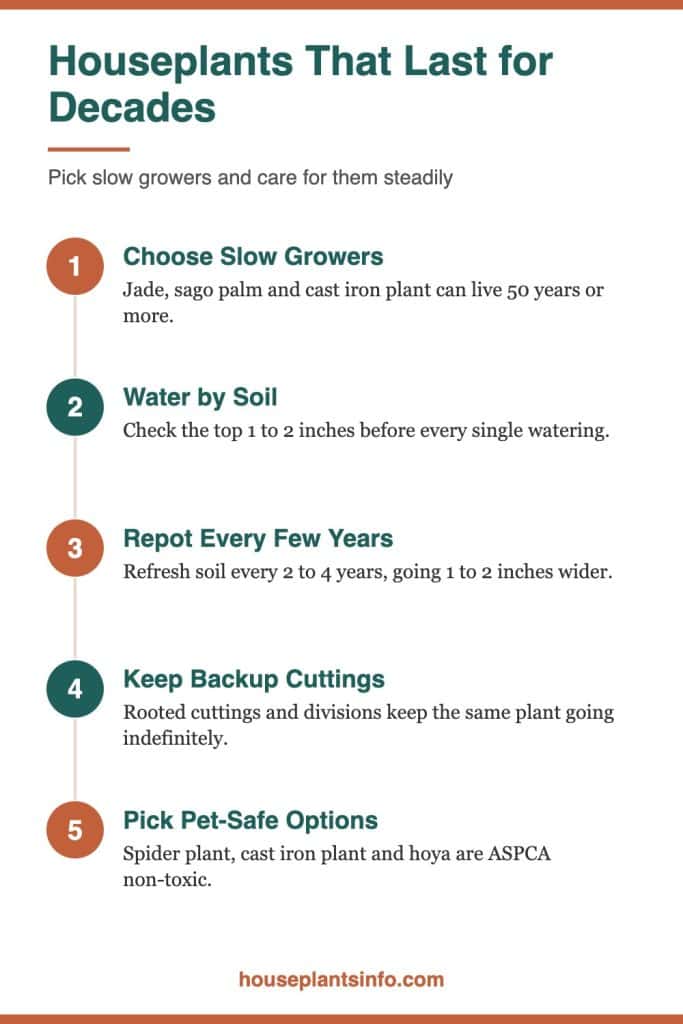
Decades of growth come from four habits: watering by soil moisture, repotting every few years, dividing or propagating when plants get crowded, and keeping light and temperature steady. None of these takes more than a few minutes at a time.
Water by the Soil, Not the Calendar
Check the top 1 to 2 inches with your finger or a moisture meter before every watering. Plants drink much less in winter, when Chicago-style gray days cut light sharply. Water thoroughly until it drains, then empty the saucer within 30 minutes.
Refresh the Soil and the Pot
Potting mix breaks down and compacts over time, which slows drainage and starves roots of oxygen. Most long-lived plants benefit from repotting every 2 to 4 years, while slow growers like sago palm and cast iron plant may go longer.
Go only 1 to 2 inches wider than the current pot, and always use a pot with a drainage hole. Spring and early summer are the best times, when new growth helps roots recover.
Divide, Prune and Propagate
Dividing an old snake plant, ZZ plant or cast iron plant gives each section fresh soil and room to grow. Trim leggy pothos, ivy and jade in spring, and root the cuttings as backups.
Sophia’s tip: Keep one rooted cutting or division of every plant you care about on a separate shelf. If the parent plant rots or gets pests, you still have the same plant ready to grow on.
Feed Lightly
Long-lived plants rarely need much fertilizer. Use a balanced houseplant fertilizer at half strength once a month in spring and summer, and stop in fall and winter. Too much fertilizer builds salts in the soil and burns roots.
What Shortens a Houseplant’s Life? Causes and Fixes
Overwatering, pests, cold drafts and too little light are the main reasons long-lived plants die early. Each problem is easy to fix if you catch it within a few weeks.
Overwatering and Root Rot
Soggy soil starves roots of oxygen and invites rot, especially in succulents, snake plant, ZZ plant and sago palm. Signs include yellowing lower leaves, drooping despite wet soil and a sour smell.
Fix it by unpotting the plant, trimming soft brown roots and repotting in fresh, well-draining mix. Constantly wet soil also attracts soil creatures, as explained in this guide to white worms in house plant soil, what they are and how to get rid of them.
Pests Over the Years
Mealybugs, spider mites and scale build up slowly on long-lived plants, especially in dry winter air. Check under leaves every few weeks and wipe them with a damp cloth.
For light infestations, insecticidal soap or wiping with rubbing alcohol on a cotton swab works well. Garden pesticides meant for outdoor use are a poor fit for living rooms; here is why you should use Sevin dust on houseplants? Why I’d skip it indoors.
Cold Drafts and Heat Blasts
Most tropical houseplants suffer below 50°F, and many dislike anything under 60°F. Pull plants back from single-pane windows on winter nights. In summer, keep them out of the direct path of AC vents.
Slow Decline From Low Light
A plant in too little light weakens over months, stretching, dropping lower leaves and failing to recover from small mistakes. Move it closer to the glass or add a grow light on a timer for 10 to 12 hours a day.
Your Next Steps
- Measure the light in your chosen spot at midday and match it to the table above.
- Check the ASPCA status of any plant before buying if you live with cats or dogs.
- Pick one low-light plant such as cast iron plant or ZZ plant and one bright-light plant such as jade or hoya.
- Set a weekly reminder to check soil moisture instead of watering on a fixed schedule.
- Repot crowded plants in spring, going only 1 to 2 inches wider, and root a backup cutting or division.
- Inspect leaves for pests every few weeks, especially when forced-air heat is running.
Common Questions About Longest Living Houseplants
What is the longest living houseplant?
Jade plant, sago palm and Christmas cactus are among the longest living houseplants, with well-kept plants reaching 50 to 100 years. Cast iron plant and snake plant also last for decades. All of them grow slowly and need little water.
Can a houseplant really live forever?
An individual plant eventually declines, but plants that root easily from cuttings, like pothos, spider plant and English ivy, can be continued indefinitely. Dividing snake plant, ZZ plant and cast iron plant has the same effect. Each new piece is genetically the same plant.
Which long-lived houseplants are safe for cats and dogs?
The ASPCA lists spider plant, cast iron plant, Christmas cactus, hoya and ponytail palm as non-toxic to cats and dogs. Sago palm is highly toxic and should be avoided in homes with pets. Keep even non-toxic plants out of reach to prevent vomiting.
How often should I repot a long-lived houseplant?
Most need repotting every 2 to 4 years, when roots circle the pot or the soil stops draining well. Slow growers like sago palm, cast iron plant and hoya can often wait longer. Repot in spring and go only 1 to 2 inches wider.
Why is my old houseplant suddenly dying?
The most common causes are root rot from overwatering, a pest buildup or a change in light or temperature. Check the roots for soft brown sections and look under leaves for pests. Old, compacted soil is another frequent cause, and repotting often helps.

Hi! I’m Sophia, and I love plants – especially an expert in growing house plants. I stay in Chicago, United States of America, and through my blog and social media platforms, provide tips and tricks on how to grow healthy, vibrant plants indoors. Check out more here.