
Your ponytail palm sits by the window with drooping, yellowing leaves, and the swollen trunk that once looked firm now feels a little off when you press it.
The short version: Most ponytail palms decline because of overwatering, which rots the roots and the base of the trunk.
Low light, cold drafts, and a pot that holds too much water cause most of the remaining cases, and each one leaves its own clues.
This guide walks you through diagnosing each cause, fixing it, and deciding when a plant is too far gone to save.
Check These First
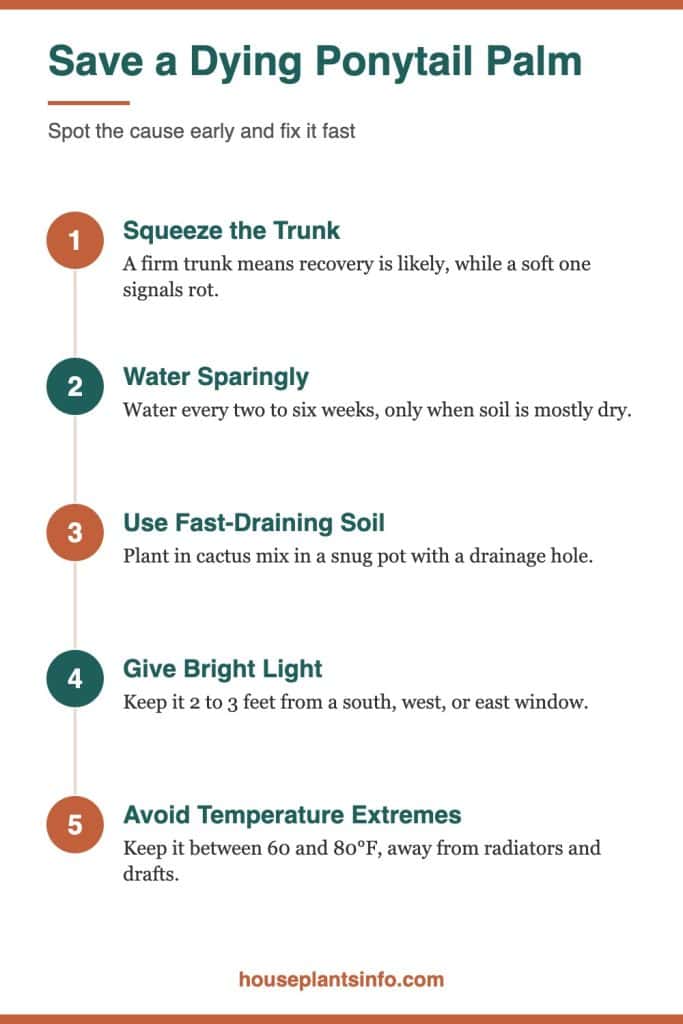
- Squeeze the base of the trunk. Firm means the plant is likely salvageable, while soft or mushy means rot has started.
- Push a finger 2 inches into the soil. If it is damp and the last watering was more than a week ago, the soil is draining too slowly.
- Look at the top of the trunk where the leaves emerge. Healthy new growth in the center is a very good sign.
- Note the plant’s distance from the nearest window, heat vent, or radiator.
- Tip the pot and check for a drainage hole. A pot without one is a common hidden cause.
Why Is My Ponytail Palm Dying? Start With the Trunk and Roots
A ponytail palm (Beaucarnea recurvata) is a succulent, not a true palm. Its swollen base, called a caudex, stores water for weeks, so the most common reason a ponytail palm dies indoors is that it gets watered far more often than it needs.
The leaves usually show trouble first, but the trunk and roots tell you what is actually happening. Before you change anything, figure out whether the plant is waterlogged, thirsty, or reacting to its surroundings.
Reading the Caudex
Press the trunk gently with your thumb near the soil line and again higher up. A healthy caudex feels hard, like a firm potato. Light wrinkling can simply mean the plant has used its stored water and is ready for a drink.
A trunk that feels spongy, has dark patches, or smells sour points to rot. If the softness reaches far up the trunk, the plant may not recover, but a firm top section can sometimes be saved.
Reading the Soil
Soil that stays wet for more than a week after watering is a warning sign. A soil moisture meter takes the guesswork out of this, especially in larger pots where the surface dries long before the root zone does.
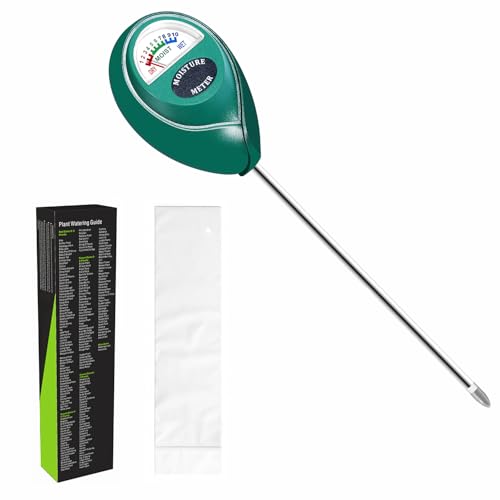
If you do not have one, a wooden chopstick works well. Push it to the bottom of the pot, leave it for a minute, and pull it out. Dark, damp wood means you should wait to water.
Reading the Leaves
Leaf symptoms narrow down the cause. Yellowing with a soft trunk points to overwatering, crispy tips usually point to dry air or inconsistent watering, and pale or bleached patches often mean too much direct sun too quickly.
If you see a ponytail palm turning white, check for sunburn or for mealybugs before assuming the plant is dying.
| Symptom | Most likely cause | First thing to check |
|---|---|---|
| Soft, mushy trunk base | Root rot from overwatering | Roots and soil moisture |
| Deeply shriveled trunk, crispy leaves | Long-term underwatering | Time since last watering |
| Pale, stretched, floppy leaves | Too little light | Distance from window |
| Bleached or white leaf patches | Sudden strong sun or pests | Recent move, leaf undersides |
| Brown tips only | Dry air, salt buildup, uneven watering | Watering routine, water type |
| Purple or reddish tinge | Cold or light stress | Window drafts, temperature |
| Sticky residue or webbing | Pests | Leaf bases and undersides |
Overwatering and Root Rot: How to Save a Soft Trunk
Overwatering suffocates the roots, which then rot and can no longer take up water. The fix is to remove the plant from wet soil, cut away rotten tissue, and repot it into a fast-draining mix.
Root rot is the most serious cause on this list because it spreads upward into the caudex. Acting quickly gives you the best chance.
Signs That Rot Has Started
- Yellow leaves that start at the base of the clump and move outward
- A soft, discolored area at the soil line
- Soil that smells musty or sour
- Fungus gnats hovering around a constantly damp surface
- Roots that are brown or black and slip apart when pinched
Healthy roots are firm and pale tan to white. Rotten roots look dark and feel slimy, and the outer layer often peels away to leave a thin strand.
Rescuing a Rotting Plant
Slide the plant out of its pot and shake off as much soil as you can. Rinse the roots with room-temperature water so you can see what you are working with.
Use clean, sharp pruners to cut off every soft or dark root. If the base of the trunk has soft spots, carve them out until you reach firm, pale tissue.
Let the plant sit somewhere dry and shaded for one to three days so the cuts can callus.
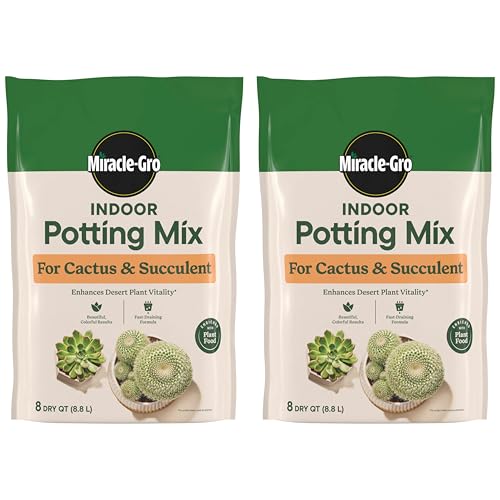
Repot into fresh cactus or succulent mix in a pot with a drainage hole. Do not water for about a week, then water lightly and let the soil dry thoroughly before the next watering.
Setting a Safer Watering Routine
In spring and summer, most indoor ponytail palms need water every two to four weeks, once the soil is dry most of the way down. In fall and winter, once every four to six weeks is often enough, and sometimes less in a cool room.
Water thoroughly until it runs out the drainage hole, then empty the saucer within 15 minutes. Never let the pot sit in standing water.
Sophia’s tip: Mark your watering dates on a calendar for the first few months. Ponytail palms need water so rarely that it is easy to water on reflex just because the surface looks dry.
Underwatering: When the Trunk Shrivels and Leaves Go Crispy
Underwatering is less common but does happen, especially with small plants in tiny pots or in rooms with strong forced-air heat. A deeply wrinkled trunk plus brittle, browning leaves means the plant has used up its reserves.
A ponytail palm can handle drought far better than wet feet, so a thirsty plant usually bounces back within a couple of weeks of a proper soak.
How Thirst Differs From Rot
The difference is texture. An underwatered trunk is wrinkled but still firm, while a rotting trunk is soft. The soil of a thirsty plant also pulls away from the pot edges and feels bone dry all the way through.
Leaves on a dry plant turn brown and crispy from the tips inward. If you mainly notice a ponytail palm turning brown at the tips with a firm trunk, dryness and watering habits are the likely cause.
Rehydrating Without Overcorrecting
Very dry potting mix can repel water, so it runs straight down the sides and out the bottom. Set the pot in a basin with 2 to 3 inches of water for 20 to 30 minutes so the soil absorbs moisture from below.

Let it drain completely afterward. Then go back to a regular routine of watering only when the soil is dry. Avoid swinging to frequent watering because the plant looked stressed, since that is how many plants end up with rot.
Trimming Damaged Leaves
Brown tips will not turn green again. You can trim them with clean scissors, cutting at an angle to follow the natural leaf shape and leaving a thin margin of brown so you do not cut into healthy tissue.
Not Enough Light, or Too Much Too Fast
Ponytail palms want bright light, ideally with some direct sun each day. Too little light weakens the plant slowly, while a sudden move into harsh sun can scorch leaves within days.
Light problems rarely kill a plant on their own, but a weak plant in dim light uses water slowly, which makes overwatering far more likely.
Signs of Low Light
- Leaves that grow thin, pale, and floppy instead of arching evenly
- New growth that leans hard toward the window
- Very slow or no new growth during spring and summer
- Soil that stays damp much longer than expected
A spot within 2 to 3 feet of a south- or west-facing window is usually ideal indoors. An east-facing window works well too. North-facing windows rarely provide enough light, especially in northern winters.
Using a Grow Light
If your apartment does not get strong sun, a full-spectrum LED grow light makes a real difference. Position it about 12 to 24 inches above the foliage and run it for 12 to 14 hours a day.

I think a grow light on a simple outlet timer is one of the easiest ways to keep a ponytail palm healthy through a dark winter.
Avoiding Sunburn
Moving a plant from a dim corner straight into strong afternoon sun, or outdoors onto a balcony, can bleach and burn the leaves. Increase light gradually over one to two weeks, adding an hour or so of brighter exposure every few days.
Burned patches stay pale or tan permanently. They do not harm the plant beyond looking rough, and new growth will come in healthy once the plant adjusts.
Sophia’s tip: Rotate the pot a quarter turn every time you water. It keeps the leaf clump even and stops the trunk from leaning toward the glass.
Cold Drafts, Heat Vents, and Dry Winter Air
Ponytail palms are comfortable between roughly 60 and 80°F and dislike temperatures below 50°F. Cold window glass, winter drafts, and blasts of hot or cold air from vents stress the plant and can trigger leaf loss or discoloration.
Temperature problems often show up as a sudden change after a cold snap or after you turn on the heat or AC for the season.
Cold Damage
Leaves touching frosty glass can develop dark, water-soaked patches that later turn brown. Cold stress can also cause a reddish or purplish tinge, which is covered in detail in the guide to a ponytail palm turning purple.
In winter, keep the plant several inches back from the window so no leaves rest against the glass. Watch for drafts from leaky frames, entry doors, and AC units in summer.
Heat Sources
Radiators and forced-air registers dry out leaves and soil quickly. A plant parked directly above or beside one may show crispy tips and a soil surface that dries in a day while the bottom stays wet.
Move the plant at least 3 feet away from radiators and out of the direct path of vents. If the pot sits on a windowsill above a radiator, a plant stand placed slightly forward often solves the issue.
Humidity
Ponytail palms tolerate dry indoor air better than most houseplants, so humidifiers are not required. In very dry winter apartments, though, leaf tips may brown more than usual.
Keeping the plant away from heat sources usually matters more than raising humidity. Misting is not necessary and does little to help.
Wrong Pot, Wrong Soil, or Repotting Stress
The pot and soil control how fast water leaves the root zone. A pot that is too large, lacks drainage, or is filled with dense, moisture-holding soil keeps roots wet and sets up rot even if you water carefully.
Choosing the Right Pot
Ponytail palms have shallow roots and prefer to be slightly snug. Choose a pot that is only about 1 to 2 inches wider than the base of the trunk, with at least one drainage hole.
Wide, shallow pots suit their root system well. Unglazed terracotta pulls moisture out of the soil and helps it dry faster, which is helpful if you tend to water often.
Choosing the Right Soil
Use a cactus or succulent mix. For even faster drainage, blend it with perlite or pumice at about two parts mix to one part grit.
Avoid regular potting soil on its own because it holds too much water. Also skip moisture-control blends, which are designed to stay damp.
Handling Repotting Shock
Repot only when roots fill the pot or circle the bottom, usually every two to four years. Spring and early summer are the best times, since the plant is actively growing.
After repotting, wait about a week before watering so any damaged roots can heal. Some leaf yellowing or dropping in the weeks afterward is normal. If you are seeing a ponytail palm losing leaves months after repotting, look for another cause.
Feeding Mistakes
Ponytail palms need very little fertilizer. Feed with a balanced liquid fertilizer at half strength once or twice during spring and summer, and not at all in fall and winter.
Too much fertilizer builds up salts that burn roots and brown leaf tips. If you see a white crust on the soil or pot rim, flush the pot with plenty of water and pause feeding.
Pests That Weaken a Ponytail Palm
Spider mites, mealybugs, and scale are the pests that most often attack indoor ponytail palms. They rarely kill a plant quickly but can drain a stressed plant over weeks if nobody notices.
Identifying the Culprit
- Spider mites: fine webbing and tiny pale speckles on leaves, more common in dry, warm rooms
- Mealybugs: white, cottony clusters at leaf bases and in the crown
- Scale: small brown or tan bumps on leaves and stems that scrape off with a fingernail
- Sticky residue: honeydew from scale or mealybugs, sometimes followed by black sooty mold
Use a flashlight to check the crown where the leaves meet the trunk, since pests often hide in that tight cluster.
Treating an Infestation
Isolate the plant first so pests do not spread. Wipe mealybugs and scale off with a cotton swab dipped in rubbing alcohol, and rinse spider mites off with a lukewarm shower.
Follow up with insecticidal soap or neem oil, coating the undersides of leaves and the crown. Repeat every 7 to 10 days for several weeks, because eggs hatch after the first treatment.
Sophia’s tip: Give the leaves a quick look every time you water. Catching a few mealybugs early takes two minutes with a cotton swab, while a crown full of them takes weeks to clear.
Can a Dying Ponytail Palm Be Saved or Propagated?
A ponytail palm with a firm trunk and a living crown can usually be saved with the fixes above. If the trunk is soft from the base to the top, the plant is likely beyond recovery, and propagation options are limited.
When Recovery Is Realistic
As long as part of the caudex is firm and the center of the leaf clump is green, the plant has reserves to rebuild. Recovery is slow. Expect several weeks to a few months before you see fresh leaves, especially outside the growing season.
Remove fully brown or yellow leaves, keep conditions stable, and resist the urge to water extra. Patience is part of the treatment.
Propagation Options
Ponytail palms do not root from leaf cuttings, and a cut-off top section rarely roots reliably. If you are wondering will a ponytail palm grow from a cutting, the most dependable option is separating offsets.
Some plants produce small pups around the base. A pup a few inches tall can be cut away with a clean knife, allowed to callus for a few days, and planted in dry succulent mix. Seeds are another option, though indoor plants rarely flower.
Normal Changes That Are Not Dying
Older outer leaves naturally brown and dry over time as new ones grow from the center. A few crispy lower leaves on a plant with a firm trunk and active new growth is ordinary aging, not decline.
Pet Safety
The ASPCA lists the ponytail palm as non-toxic to dogs, cats, and horses. Cats sometimes chew the long, grassy leaves, which can cause mild stomach upset and leave ragged tips, so placing the plant out of reach keeps both plant and pet happier.
Your Next Steps
- Press the base of the trunk today to sort the plant into firm, wrinkled, or soft.
- If the trunk is soft or the soil smells sour, unpot the plant and trim rotten roots right away.
- Confirm the pot has a drainage hole and the soil is a fast-draining cactus mix.
- Move the plant within 2 to 3 feet of a bright south-, west-, or east-facing window, or add a grow light.
- Pull it at least 3 feet away from radiators, vents, and cold winter glass.
- Water only when the soil is dry most of the way down, and write the date down.
Common Questions About Ponytail Palms Dying
How do I know if my ponytail palm is dead?
Check the trunk and the center of the leaf clump. If the caudex is soft and hollow throughout and no green remains in the crown, the plant is dead. Any firm trunk tissue with green leaves at the top means it still has a chance.
Why are the leaves on my ponytail palm turning yellow?
Yellowing is most often caused by overwatering, especially when the soil stays damp and the trunk base softens. It can also follow repotting or a sudden drop in light. A few yellowing outer leaves on an otherwise healthy plant are normal aging.
Should I cut the brown tips off my ponytail palm?
You can trim brown tips for appearance using clean scissors, following the natural point of the leaf. Leave a thin edge of brown so you do not wound healthy tissue. Trimming does not fix the cause, so adjust watering, light, or heat exposure too.
How often should I water a ponytail palm indoors?
Most indoor ponytail palms need water every two to four weeks in spring and summer and every four to six weeks in fall and winter. Always let the soil dry most of the way down first. Plants in cool rooms or low light need even less.
Can a ponytail palm recover from root rot?
Yes, if you catch it before the rot spreads through the whole trunk. Remove all soft roots and trunk tissue, let the cuts dry, and repot into fresh succulent mix with a drainage hole. Water sparingly afterward while the plant regrows roots.

Hi! I’m Sophia, and I love plants – especially an expert in growing house plants. I stay in Chicago, United States of America, and through my blog and social media platforms, provide tips and tricks on how to grow healthy, vibrant plants indoors. Check out more here.