
A Christmas cactus forgives a missed watering and a crowded pot, but it sulks after being moved once its buds form. It is a jungle cactus from the mountain forests of Brazil, so it wants more water and less sun than a desert cactus.
The short version: give it bright light without hot afternoon sun, water when the top inch of mix is dry, and feed it from spring through summer. Then give it 6 weeks of long, cool nights in fall, and it will bloom again.
| Care point | What it needs |
|---|---|
| Light | Bright, indirect; an east window is ideal |
| Water | When the top inch is dry, about every 7 to 10 days in summer |
| Temperature | 65 to 75°F by day, 55 to 60°F nights in fall |
| Humidity | 40 to 60 percent |
| Soil | Fast-draining mix with bark or perlite |
| Feeding | Half strength once a month, April through August |
| Pets | Non-toxic to cats and dogs |
1. Water When the Top Inch Is Dry
Push a finger into the mix up to the first knuckle. Dry means water; damp means wait. A moisture meter takes the guessing out of it, which helps most in winter, when the surface dries fast under forced-air heat while the root zone stays wet.

Water until it runs out of the drainage hole, then empty the saucer within 15 minutes. In summer that is usually every 7 to 10 days. After the blooms fade, let the top 2 inches dry before watering. Our guide to how often to water a Christmas cactus has a chart by season and pot.
2. Give It Bright Light, Not Hot Sun
An east window is the best spot, right at the glass. A south or west window works if the plant sits 3 feet back or behind a sheer curtain. Strong afternoon sun turns the segments red or bleaches them yellow, and a Christmas cactus can take morning sun far better than afternoon sun. Give the pot a quarter turn every couple of weeks in spring and summer so it grows evenly, but stop turning it once buds form in fall.
3. Use a Mix That Drains in Seconds
Plain potting soil holds too much water. Mix 2 parts potting soil with 1 part perlite and 1 part orchid bark, or use cactus mix with a handful of bark added. The right soil for a Christmas cactus matters more than how often you water.
4. Keep It Away From Radiators and Cold Glass
It grows best at 65 to 75°F during the day. Keep it at least 3 feet from radiators and heat vents, and don’t let segments touch a cold window in January. Below 50°F it drops buds, and frost kills it. Aim for 40 to 60 percent humidity; a pebble tray or a group of plants helps once the heat comes on in October.
Sophia’s tip: set a digital thermometer on the sill for one week in October. A sill near old single-pane glass can run several degrees colder at night than the room. That chill helps bud set, as long as it stays above 50°F.
5. Feed It in Spring and Summer Only
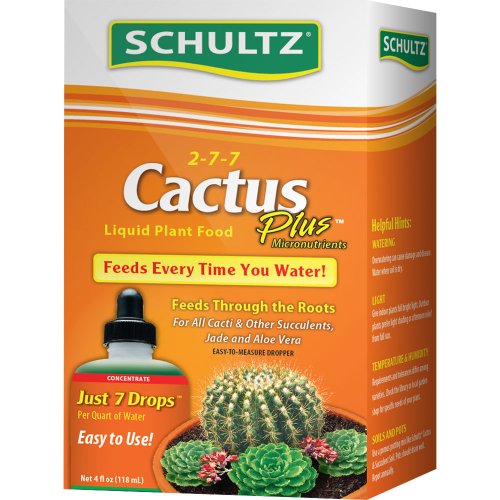
Feed once a month at half strength from April through August with a balanced houseplant food or a liquid cactus fertilizer. Stop by September so the plant slows down and sets buds. See when to fertilize a Christmas cactus for a full schedule.
6. Check Which Holiday Cactus You Own
Most plants sold as Christmas cactus in US stores are actually Thanksgiving cactus (Schlumbergera truncata). Look at the edges of a segment. Pointed, claw-like teeth mean Thanksgiving cactus, which blooms in November. Smooth, scalloped edges mean a true Christmas cactus (Schlumbergera × buckleyi), which blooms in December.
This changes your calendar. A Thanksgiving type needs its long nights from mid-September, and a true Christmas cactus from early October.
7. Give It Long, Cool Nights in Fall
Buds form after about 6 weeks of 12 to 14 hours of uninterrupted darkness each night, with nights around 55 to 60°F. A spare bedroom that nobody uses after dark works well. So does a closet from 6 p.m. to 8 a.m., but bring the plant back to bright light each morning. A table lamp at 9 p.m. can be enough to stop buds.
Once buds show, stop moving the plant. Turning it or carrying it to a new room is the most common reason buds fall. If it skips a year, work through why a Christmas cactus won’t bloom.
A Year Indoors
| Months | What to do |
|---|---|
| December to January | Enjoy the blooms; keep the soil lightly moist and the plant still |
| February to March | Rest; let the top 2 inches dry; trim after flowering |
| April to May | Repot if needed; start monthly feeding |
| June to August | Outdoors in shade when nights stay above 55°F |
| September | Stop feeding; bring it in before nights drop below 50°F |
| Mid-September to November | Long nights and cool temperatures for 6 weeks |
Repot only every 2 to 3 years, into a pot 1 to 2 inches wider, because a snug pot blooms better. Pruning is simple: twist off 1 or 2 segments at a joint after flowering, up to a third of the plant, and the stems branch from there.
The ASPCA lists the Christmas cactus as non-toxic to cats and dogs, though a pet that eats a lot of it may vomit.
Signs It’s Unhappy
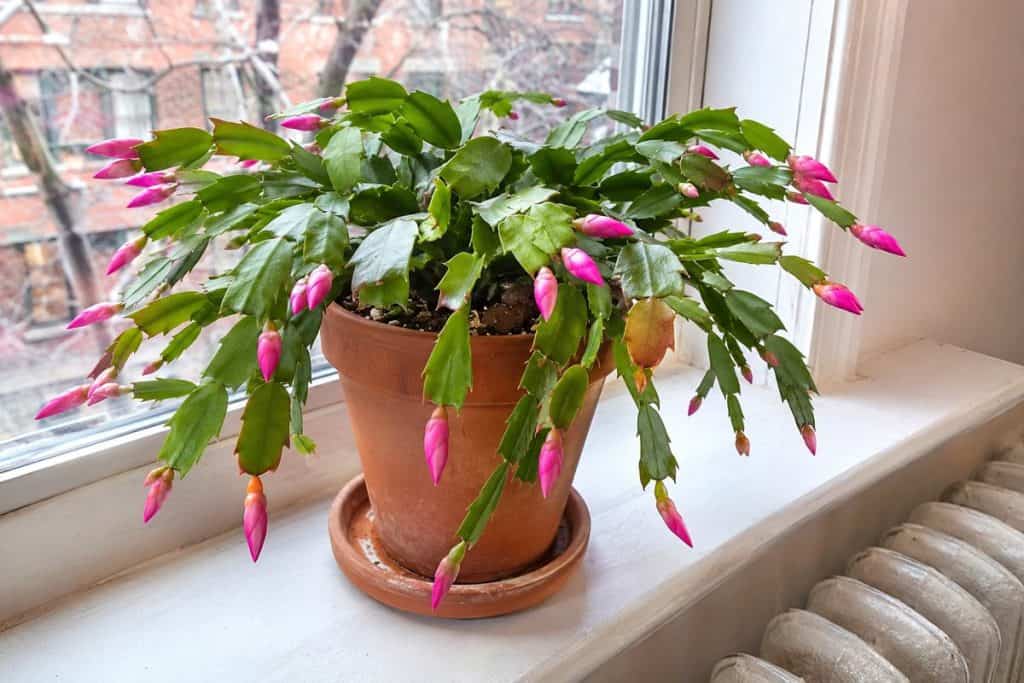
- Red or purple segments usually mean too much sun or cold roots; see why the leaves turn red.
- Limp, wrinkled segments point to dry roots, or roots that have rotted and can’t drink.
- Buds that drop before opening mean the plant was moved, chilled or left too dry.
- Mushy, dark stems at the soil line mean root rot from too much water.

Founder & Lead Writer · 9 years growing houseplants · Chicago, IL
I’m Sophia, founder of HousePlantsInfo.com. I’ve grown plants for as long as I can remember and have spent the last 9 years focused on houseplants, now caring for 75+ of them, from easy snake plants and philodendrons to fussier fiddle leaf figs and calatheas. Every guide here is based on what I’ve grown, lost and brought back in a real apartment through dark, radiator-dry Chicago winters. I trained through Houseplant Masterclass, and I check care and pet-safety details against university extension services and the ASPCA before publishing.