
Your fiddle leaf fig stands a few feet from the window, its big leaves angled toward the glass, and you are wondering how much light a fiddle leaf fig needs to stop leaning, dropping leaves, or sitting still for months.
The answer depends far more on where the plant stands than on how often you water it.
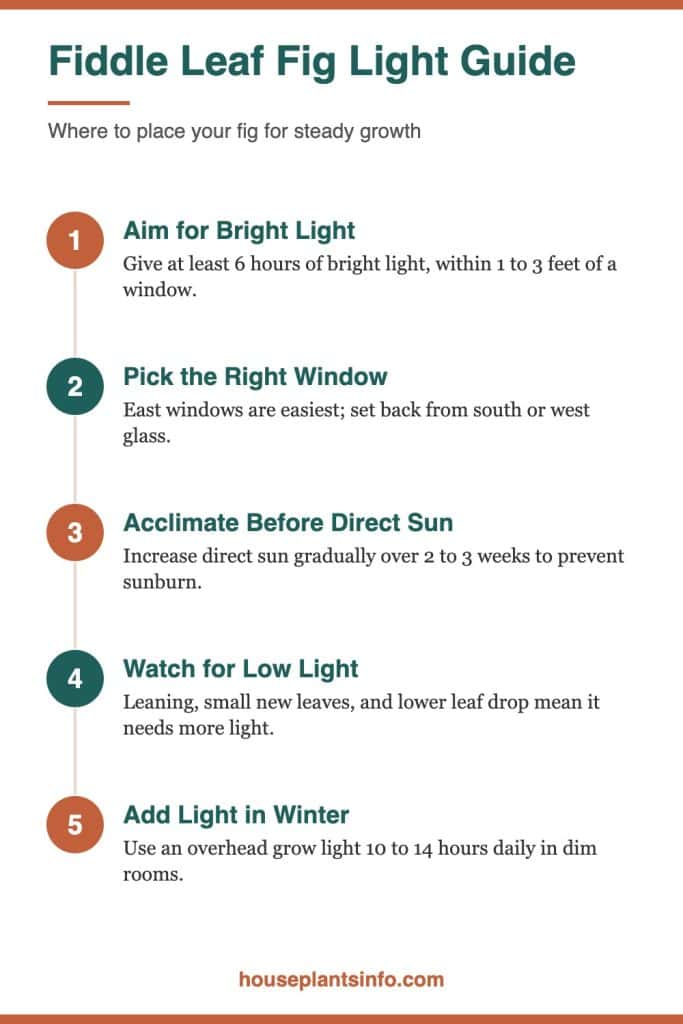
The short version: A fiddle leaf fig needs bright light for at least 6 hours a day, ideally within 1 to 3 feet of a large window.
Gentle morning sun is a bonus, and a plant that has been slowly acclimated can handle a few hours of direct sun.
Dim corners and spots more than 6 feet from a window almost always lead to slow growth and leaf drop.
This guide covers light levels, window direction, afternoon sun, warning signs, grow lights, seasonal changes, temperature, and moving the plant outdoors.
At a Glance
| Factor | What it needs |
|---|---|
| Light | Bright light 6+ hours daily, some gentle direct sun is fine once acclimated |
| Water | Water when the top 1 to 2 inches of soil are dry |
| Humidity | 40 to 60 percent is ideal; dry winter air causes brown edges |
| Temperature | 65 to 75°F; keep above 55°F and away from drafts |
| Soil | Chunky, fast-draining mix in a pot with drainage holes |
| Pet safety | Treat as toxic to cats and dogs; sap irritates mouth and skin |
| Difficulty | Moderate; fussy about placement and change |
How Much Light Does a Fiddle Leaf Fig Need Indoors?
Indoors, a fiddle leaf fig needs the brightest spot you can give it without harsh, unacclimated midday sun. In practical terms, that means a place where the plant can see a wide stretch of open sky for most of the day.
In its native West African habitat, this fig grows into a tree in open, sunny spots. A living room is far dimmer than any forest edge, so most indoor plants are working with less light than they would like, not more.
Measuring Light Instead of Guessing
Human eyes adjust so well that a room can feel bright while delivering a fraction of the light outdoors. A light meter, or a free light meter app on your phone, gives you a real number in foot-candles or lux.
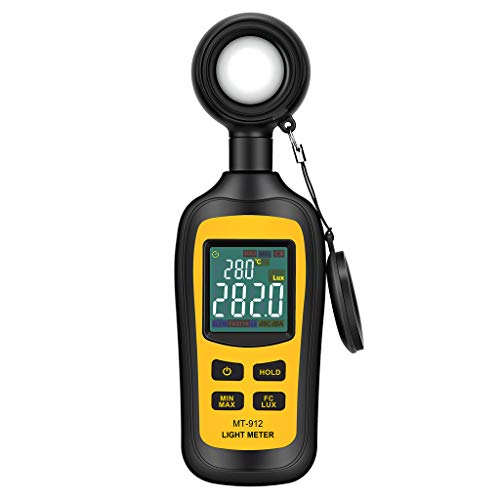
For steady growth, aim for roughly 500 to 1,000 foot-candles for much of the day. Around 200 foot-candles is a bare survival level, where the plant may hold its leaves but rarely puts out new ones.
Readings under 100 foot-candles mean the spot is too dark.
If your best spot reads low and there is no brighter window available, a full-spectrum LED grow light can make up the difference. More on setting one up later.

Why Distance From the Glass Matters So Much
Light falls off quickly as you move away from a window. A plant 1 foot from the glass can receive several times more light than the same plant 6 feet back, even though both spots look similarly bright to you.
Sheer curtains, screens, overhangs, nearby buildings, and trees also cut light significantly. In a city apartment with a brick wall across the alley, the glass may face south while the plant still receives only modest light.
Sophia’s tip: Hold your hand about 12 inches above a sheet of white paper at the spot where the plant stands, around midday.
A crisp, sharp-edged shadow means strong light, a soft but visible shadow means bright indirect light, and a faint blur means the spot is too dim.
Which Window Direction Is Best for a Fiddle Leaf Fig?
In the Northern Hemisphere, an east-facing window is usually the easiest match, with a south or west window working well when the plant sits a little back from the glass. North windows are rarely bright enough on their own.
Use this table as a starting point, then adjust for obstructions and window size.
| Window direction | Light quality | Where to place the plant |
|---|---|---|
| East | Gentle morning sun, bright afternoon shade | 1 to 2 feet from the glass |
| South | Strongest and longest light, especially in winter | 2 to 4 feet back, or closer behind a sheer in summer |
| West | Bright shade in the morning, hot afternoon sun | 3 to 5 feet back, or with a sheer curtain |
| North | Even, soft light, often too weak | Right at the glass, likely with a grow light |
East-Facing Windows
East light delivers a few hours of direct sun while temperatures are still cool. That gentle exposure encourages sturdy, compact growth without much risk of scorching. Placing the plant right beside an east window is my first choice for most homes.
South- and West-Facing Windows
A south window offers the most total light, which suits a plant that loves brightness. In summer, the sun rides high and much of the direct light misses the room, but in winter it streams in low and deep.
West windows give intense, hot afternoon sun. A fiddle leaf fig can handle this once acclimated, but a plant moved straight into it may scorch. Setting it back a few feet or filtering the light with a sheer curtain works well.

North-Facing Windows
North light is steady but weak, especially from October through March in northern cities. A fiddle leaf fig placed here will usually lean, stretch, and drop lower leaves over time. If north is your only option, plan on supplemental lighting.
Is Afternoon Sun Good for a Fiddle Leaf Fig?
Afternoon sun is fine for a fiddle leaf fig that has been gradually acclimated to it, and it can drive strong growth. The risk comes from sudden exposure, hot glass, and sun combined with dry soil.
Afternoon light is warmer and more intense than morning light, so it is the most likely to cause sunburn on a plant that has been living in a dimmer spot.
How to Acclimate a Plant to Direct Sun
Leaves develop in response to the light they grow in. A leaf formed in a shady corner is thinner and more prone to burning than one formed in bright light. Increase exposure slowly over 2 to 3 weeks.
- Start by placing the plant where it gets 1 hour of direct afternoon sun.
- Every few days, move it a little closer to the window or into a spot with more sun.
- Watch for pale or brown patches; if they appear, step back to the previous position for a week.
- Keep soil evenly moist during this period, since a thirsty plant burns faster.
When to Filter the Light
Filter afternoon sun if the leaves touch the glass, the window gets very hot in summer, or the plant was recently moved. A sheer curtain, light-filtering blinds, or simply pulling the pot back 2 to 3 feet softens the light without making the spot dim.
Sophia’s tip: Keep the leaves at least a few inches away from the window pane. Glass heats up in direct sun and gets icy cold on winter nights, and leaves pressed against it can scorch in July or develop cold damage in January.
Signs Your Fiddle Leaf Fig Needs More Light
A light-starved fiddle leaf fig usually shows it through leaning, stretched stems, small new leaves, and steady loss of lower foliage. These signs often appear slowly, so they are easy to blame on watering instead.
Leaning and Stretching
A strong lean toward the window means the plant is reaching for more light. Wide gaps between leaves on new growth, called leggy growth, point to the same issue. Some lean is normal; a dramatic tilt or bare, stretched stems are not.
Small New Leaves or No Growth
Healthy plants in good light produce large, full-sized leaves during spring and summer. If new leaves come in noticeably smaller than older ones, or the plant has not grown at all during the warm months, light is the most likely limit.
Dropping Lower Leaves and Soggy Soil
Low light slows water use, so soil stays wet longer. That combination often leads to yellowing leaves, brown spots, and root rot.
If your leaves are fading, read more on why the leaves of your indoor potted fiddle leaf fig tree are turning yellow to rule out other causes.
Dull, dark leaves that lose their glossy look can also signal dim conditions. The plant may still be alive, but it is surviving rather than growing.
Signs Your Fiddle Leaf Fig Is Getting Too Much Light
Too much light shows up as pale, bleached, or crispy brown patches, usually on the leaves facing the window. Sunburn is less common indoors than low light, but it happens after sudden moves or in hot, west-facing windows.
What Sunburn Looks Like
Sunburned spots are usually light tan to brown, dry, and papery, appearing on the upper or most exposed leaves. They often show up within a day or two of a move.
Burned tissue does not recover, but the plant will keep growing if you correct the light.
Brown spots that start in the center of a leaf, feel soft, or appear on lower leaves away from the window are more likely related to watering or root problems than to sun.
Curling, Cupping, and Faded Color
Leaves can curl or cup when they receive harsh light, especially when combined with heat and dry soil. Curling has several other causes too, including underwatering, cold drafts, and pests.
For a full breakdown, see why the leaves of your fiddle leaf fig tree are curling up.
An overall washed-out, yellow-green tone on sun-facing leaves can also mean the light is too intense for that plant right now.
Light Damage Versus Pests
Not every mark is caused by light. Small irregular holes, ragged edges, or stippling usually point to physical damage or insects. The guide to fiddle leaf fig leaves with holes, causes and solutions helps you tell them apart.
If you do find pests such as spider mites or scale, avoid spraying oils on leaves that sit in direct sun, since that can cause burns.
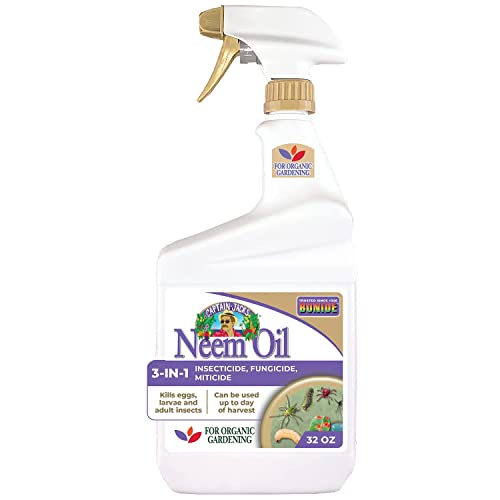
Learn whether neem oil is good for a fiddle leaf fig before you treat, and apply any spray in the evening or out of direct light.
Do Fiddle Leaf Figs Need a Grow Light?
A fiddle leaf fig does not need a grow light if it sits beside a bright east, south, or west window. It helps a lot in north-facing rooms, deep apartments, basements, and during short, gray northern winters.
When Supplemental Light Makes Sense
Consider a grow light if your light meter reads under 200 foot-candles at the plant, if the plant only gets light from one small window, or if it reliably drops leaves every winter.
It is also useful for keeping a plant in a specific spot where it looks good but natural light falls short.
Setup Basics
Full-spectrum white LED lights work well and stay cool to the touch. Most fiddle leaf figs do well with the light about 12 to 24 inches above the top leaves, running 10 to 14 hours a day on a timer.
Plants also need darkness, so avoid leaving it on all night.
For specific features to look for, mounting options, and height guidelines for tall plants, read about choosing a grow light for a fiddle leaf fig, what to buy and how to set it up.
Sophia’s tip: Position the grow light so it shines down from above, not from the side. Overhead light keeps the trunk growing straight, while side light encourages the same lean you get from a window.
How Do Seasons, Temperature, and Drafts Affect Light Needs?
Light changes sharply through the year, and fiddle leaf figs respond to temperature and drafts almost as strongly as to light. A spot that works in June can be too dim, too cold, or too dry in January.
Adjusting for Winter
In northern cities, winter days are short and often overcast, so available light can fall to a fraction of summer levels.
Move the plant closer to the window from late fall through early spring, and clean the glass and the leaves so dust does not block light.
Growth slows naturally in winter, and a few lower leaves may drop. Water less often, since the plant uses less, and do not fertilize until spring growth begins.
Ideal Temperature Range
Fiddle leaf figs grow best between 65 and 75°F during the day, with nights no colder than about 60°F. Temperatures below 55°F can cause brown spots, curling, and leaf drop. Most heated apartments fall comfortably in range.
Radiators, Forced Air, and AC
Keep the plant at least 3 feet from radiators, heating vents, and air conditioners. Hot, dry air from forced-air heat pulls moisture from the leaves, causing crispy brown edges, while cold blasts from AC or a drafty door can trigger sudden drops.
Winter indoor humidity often falls below 30 percent. A humidifier nearby, set to keep the room around 40 to 50 percent, helps the leaves stay supple and makes the plant more tolerant of a bright window.
Rotate for Even Growth
Rotate the pot a quarter turn every 1 to 2 weeks, or each time you water. This keeps all sides of the plant receiving light and prevents a lopsided shape.
Fiddle leaf figs dislike frequent relocation, so rotate in place rather than moving the pot around the room.
Can You Put a Fiddle Leaf Fig Outdoors?
Yes, a fiddle leaf fig can spend summer outdoors once nights stay above 55°F, which in Chicago usually means late May or early June through mid-September. Bright outdoor light often produces strong growth, but the move must be gradual.
Hardening Off the Plant
Outdoor light is many times stronger than indoor light, even in shade. Start the plant in full shade, such as under a covered porch, for about a week. Then move it into a spot with gentle morning sun, increasing exposure over 2 to 3 weeks.
Shelter it from strong wind, which can tear the large leaves and dry the plant quickly. Outdoor containers also dry out faster, so check the soil every day or two during hot weather.
Bringing It Back Inside
Bring the plant indoors before nights drop toward 50°F. Inspect the leaves, stems, and the undersides of foliage for insects first, and rinse the plant with a gentle spray of water. Expect a few dropped leaves as it adjusts to lower indoor light.
Place it in the brightest indoor spot available, since the drop from outdoor to indoor light is steep. Fiddle leaf figs are tropical and are only hardy outdoors year-round in frost-free climates, roughly USDA zones 10 to 12.
Pet Safety Indoors and Out
Fiddle leaf fig sap is irritating, and the ASPCA lists closely related figs, such as the weeping fig, as toxic to cats and dogs. Treat this plant as toxic too: chewing can cause mouth irritation, drooling, and vomiting.
Keep it out of reach of pets and young kids, and wipe up sap from pruning.
Your Next Steps
- Measure the light at your plant’s current spot with a light meter app around midday.
- Move the plant within 1 to 3 feet of your brightest east, south, or west window if readings are low.
- Acclimate gradually over 2 to 3 weeks before giving it more direct afternoon sun.
- Pull the pot at least 3 feet away from radiators, heating vents, and AC units.
- Rotate the pot a quarter turn every 1 to 2 weeks.
- Add an overhead grow light on a 10 to 14 hour timer if your space stays dim in winter.
Common Questions About Fiddle Leaf Fig Light
Can a fiddle leaf fig survive in low light?
It can survive for a while, but it will not thrive. In low light, the plant usually stops growing, leans, and gradually drops lower leaves, and the soil stays wet long enough to invite root rot.
How many hours of light does a fiddle leaf fig need?
Aim for at least 6 hours of bright light a day, and more is better. With a grow light as the main source, 10 to 14 hours daily works well for most plants.
Can a fiddle leaf fig take full sun indoors?
An acclimated plant can handle several hours of direct sun through a window, especially in the morning. Increase exposure slowly over a few weeks, and keep leaves off hot glass to prevent scorching.
Why is my fiddle leaf fig dropping leaves after I moved it?
Fiddle leaf figs react strongly to changes in light, temperature, and drafts, so a few dropped leaves after a move are common. Choose a good spot, keep care consistent, and the plant usually settles within a few weeks.
Is a north-facing window enough for a fiddle leaf fig?
Usually not on its own, especially in winter or in northern cities. Place the plant right at the glass and add an overhead grow light to give it enough light for steady growth.

Hi! I’m Sophia, and I love plants – especially an expert in growing house plants. I stay in Chicago, United States of America, and through my blog and social media platforms, provide tips and tricks on how to grow healthy, vibrant plants indoors. Check out more here.