
You walk past your fiddle leaf fig near the window and notice its big, glossy leaves folding inward along the midrib, cupping like taco shells, or arching down at the edges.
If you are asking why are the leaves of my fiddle leaf fig tree curling up, the plant is reacting to stress in its roots, its air, or its light.
The short version: Most curling comes from a water problem, either soil that dried out completely or soil that stayed soggy long enough to damage roots.
Dry indoor air, harsh sun, cold drafts, and pests are the next most common causes, and each one leaves its own clues.
This guide shows you how to read the curl, match it to a cause, and fix it without stressing the plant further.
Check These First
- Push a finger 2 inches into the soil. Bone dry or wet and sour-smelling both point to a watering problem.
- Look at where the plant sits. Within 3 feet of a radiator, heat vent, AC unit, or drafty door is a red flag.
- Flip several leaves over and check the undersides and new growth for specks, webbing, or bumps.
- Notice whether only the newest leaf is curled. A leaf still unfurling is often curled for normal reasons.
- Think back over the last month. A move, repotting, or fertilizer dose can trigger curling a few weeks later.
Why Are the Leaves of My Fiddle Leaf Fig Tree Curling Up? Start by Reading the Curl
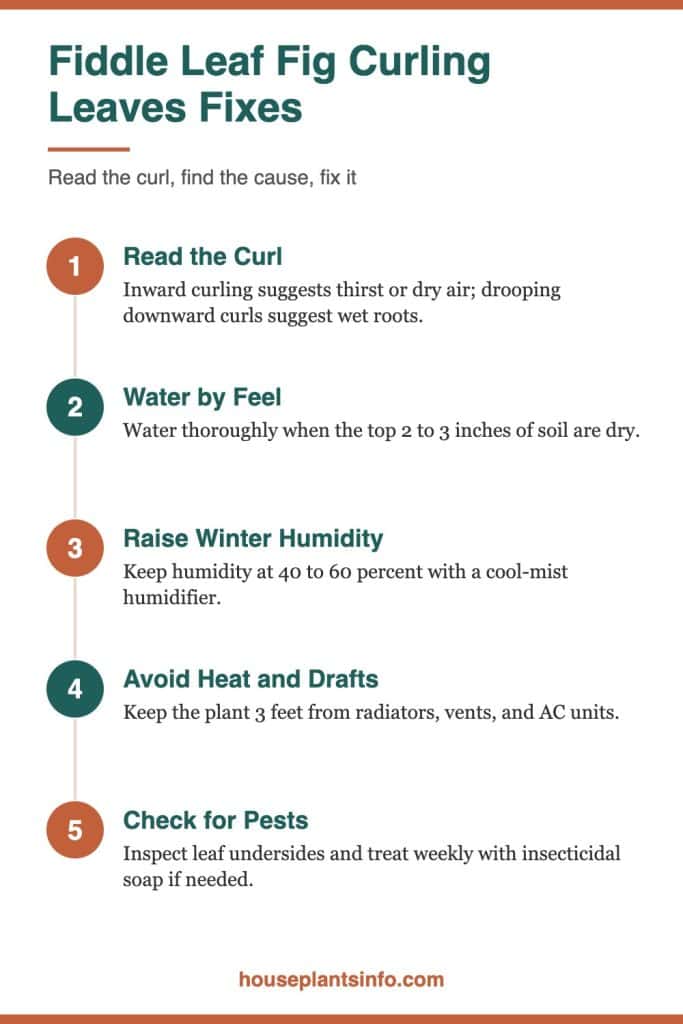
The direction of the curl, the texture of the leaf, and which leaves are affected narrow the cause quickly. Inward curling with crisp leaves usually means a lack of water, while drooping, downward curling with soft leaves often means too much.
Inward Versus Downward Curling
Leaves that fold up along the center vein are trying to reduce the surface that loses water. That pattern fits underwatering, dry air, heat, and strong sun.
Leaves that dome or curl downward and feel limp often signal root trouble from wet soil, cold exposure, or recent shock. Brown spots alongside downward curling make root rot more likely.
Which Leaves Are Affected
Curling on the oldest, lowest leaves tends to point to roots and watering. Curling concentrated on new growth points more toward pests, low humidity, or inconsistent care while the leaf was forming.
A brand-new leaf emerging from its papery sheath is naturally rolled and soft. Give it 1 to 3 weeks to flatten before you treat it as a problem.
Get a Reading Before You Act
A soil moisture meter pushed deep into the root zone tells you what is happening below the surface, where a finger cannot reach in a large pot. A small digital hygrometer near the plant shows whether your air is the issue.
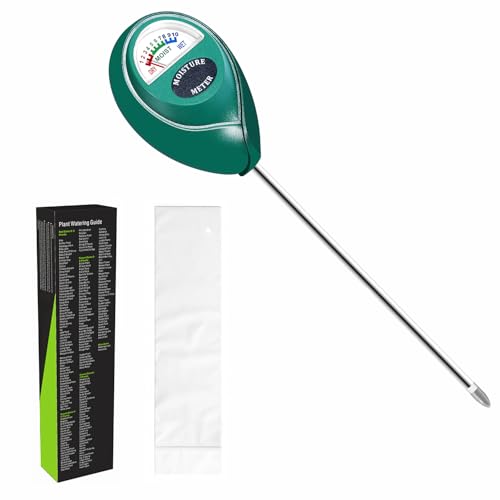
Take both readings before changing anything. Changing several conditions at once makes it hard to tell what actually helped.
| Curl pattern | Leaf feel | Most likely cause |
|---|---|---|
| Folded inward along midrib | Dry, stiff, crisp edges | Underwatering or low humidity |
| Downward dome, drooping | Soft, limp | Overwatering or root rot |
| Curled with bleached patches | Papery, faded | Too much direct sun or heat |
| Curled after a cold night | Dark patches, limp | Cold draft or chill damage |
| Distorted, puckered new leaves | Speckled or sticky | Pests |
| Curling after repotting or feeding | Brown tips or edges | Root stress or fertilizer burn |
Underwatering: Dry Soil Causes Inward Curling
When the root ball dries out completely, the leaves fold inward to hold onto moisture. The fix is a thorough, even soak followed by a more consistent schedule.
Signs the Plant Is Too Dry
The soil pulls away from the sides of the pot, and the pot feels light when you lift it. Leaves feel stiff and dry, sometimes with crispy brown edges on lower leaves.
Underwatering is common in winter, when heated Chicago apartments dry soil faster than many people expect.
How to Rehydrate Properly
Water slowly until it runs freely from the drainage holes. If water rushes straight through, the soil has become water repellent, so water again 10 minutes later or bottom water the pot for 20 to 30 minutes.
Empty the saucer afterward. Leaves usually begin to relax within 1 to 3 days, though badly crisped edges will not recover.
Setting a Better Rhythm
Water when the top 2 to 3 inches of soil are dry, which often means every 7 to 14 days depending on light, pot size, and season. Check rather than following a fixed calendar.
Sophia’s tip: Lift the pot right after a full watering and again when it is ready for the next one. Learning that weight difference lets you check moisture in two seconds, even on a tall plant.
Overwatering and Root Rot: Soggy Soil Causes Drooping Curls
Constantly wet soil starves roots of oxygen, and damaged roots cannot move water to the leaves. The leaves curl and droop even though the soil is wet, which confuses many growers into watering more.
How to Tell It Is Too Much Water
The soil stays damp for more than a week, smells musty, or has fungus gnats around it. Leaves may develop dark brown patches, often starting near the middle or base of the leaf, and lower leaves can yellow and drop.
If yellowing is part of the picture, this guide on why the leaves of an indoor potted fiddle leaf fig tree turn yellow explains how yellow leaves connect to watering and light.

Checking the Roots
Slide the plant out of its pot. Healthy roots are firm and white to light tan. Rotted roots are brown or black, mushy, and may slip apart when you pinch them.
Treating Root Rot
Trim away every soft, dark root with clean, sharp shears. Repot into fresh, well-draining soil in a pot with drainage holes, no more than 1 to 2 inches wider than the remaining root mass.
Hold off on water until the top few inches dry, then resume careful watering. Skip fertilizer for at least a month while new roots grow.
Preventing a Repeat
Use a chunky mix, such as indoor potting soil blended with bark and perlite. Never let the pot sit in a saucer of water, and remove decorative cachepots after watering so water cannot pool around the base.

Dry Indoor Air: Radiators and Forced Heat Cause Crisp Curling
Fiddle leaf figs come from warm, humid West African forests, and air below about 30 percent humidity can make leaves curl and brown at the edges. Raising humidity and moving the plant away from heat sources fixes it.
When Dry Air Is the Culprit
Winter heating often drops apartment humidity to 15 to 30 percent. Curling that shows up in late fall, especially on the side facing a radiator or vent, points strongly to dry air.
Raising Humidity Indoors
Aim for 40 to 60 percent. A cool-mist humidifier placed a few feet from the plant is the most reliable option in a dry apartment.
Grouping plants together helps a little. A pebble tray adds only a small, local increase, and misting fades within minutes, so neither is enough on its own in heated air.
Moving Away From Heat
Keep the plant at least 3 feet from radiators, baseboard heaters, and forced-air registers. Hot, moving air dries leaves far faster than still air at the same humidity.
Sophia’s tip: Hold your hand where the top leaves sit while the heat is running. If you feel warm air moving, the plant needs a new spot or a vent deflector pointed away from it.
Too Much Sun or Heat: Harsh Light Causes Bleached, Curled Leaves
Fiddle leaf figs love bright light, but hot, direct midday or afternoon sun through glass can scorch leaves and make them curl. The fix is filtered light or a little more distance from the window.
Signs of Light and Heat Stress
Leaves facing the window curl inward and show pale, bleached, or tan patches. Damage appears mostly on the sunny side, while leaves on the shaded side look fine.
Sunburn is common right after a plant moves from a dim spot to a bright one, or when spring sun suddenly strengthens.
Finding the Right Window
An east-facing window right at the glass is close to ideal, with gentle morning sun. South and west windows work well if the plant sits 3 to 6 feet back or behind a sheer curtain.
North windows rarely give enough light on their own. A full-spectrum grow light placed 1 to 3 feet above the canopy for 10 to 12 hours a day makes up the difference.

Adjusting Gradually
Move a shade-grown plant into brighter light over 1 to 2 weeks rather than all at once. Rotate the pot a quarter turn every week or two so growth stays even.
Dusty leaves absorb light less efficiently, so a plant might be pushed closer to harsh sun to compensate. These ways to clean fiddle leaf fig leaves keep the surface clear without damaging the shine.
What About Scorched Leaves
Burned patches will not turn green again. Leave the leaf in place if most of it is still green, since it continues feeding the plant.
Cold Drafts and Temperature Swings: Chill Causes Limp Curling
Fiddle leaf figs prefer 60°F to 85°F and dislike sudden changes. Cold air below about 50°F, or a blast from an AC unit, can make leaves curl, droop, and develop dark patches.
Common Indoor Cold Spots
Drafty single-pane windows in winter are a classic cause, especially when leaves touch the glass overnight. Exterior doors that open often, window AC units, and ceiling fans aimed at the plant are others.
A plant carried home from a store in freezing weather can also show curling a few days later.
Fixing Cold Damage
Move the plant to a stable spot away from doors, vents, and cold glass. Keep leaves at least 6 to 12 inches from windows in winter.
Do not compensate by watering more. Chilled roots take up water slowly, so cold soil stays wet longer and invites rot.
Keeping Conditions Stable
Fiddle leaf figs are known for reacting to change. Once you find a spot with steady light and temperature, leave the plant there rather than moving it around the room.
Sophia’s tip: On winter nights, slide a thermometer onto the windowsill beside the plant. If it reads below 55°F, pull the pot back a few feet until morning.
Pests on the Leaves: Insects Cause Distorted, Curled New Growth
Sap-feeding pests such as spider mites, thrips, scale, and mealybugs damage leaf tissue as it grows, leaving new leaves puckered, curled, or speckled. Identifying the pest and treating it consistently resolves the problem.
Spotting the Pest
Spider mites leave tiny pale stipples and fine webbing, especially in dry winter air. Thrips cause silvery streaks and black specks of waste.
Scale looks like small brown bumps along stems and veins. Mealybugs appear as white, cottony clusters in leaf joints, and both leave sticky residue.
Treating the Infestation
Isolate the plant first. Rinse the foliage thoroughly in a shower with lukewarm water, covering the soil to keep it from washing out.
Wipe both leaf surfaces, then apply insecticidal soap or horticultural oil according to the label. Repeat every 5 to 7 days for several weeks to catch insects that hatch after each treatment.
Pick off scale and mealybugs with a cotton swab dipped in rubbing alcohol. Test any spray on one leaf first and keep the plant out of direct sun until it dries.
Damage That Looks Like Pests
Holes and torn edges can come from insects, but they also come from physical damage or early leaf injury. This article on fiddle leaf fig leaves with holes, their causes and solutions helps you tell those apart.
A Note on Pet Safety
The ASPCA lists closely related figs, including the weeping fig and rubber plant, as toxic to cats and dogs. Fiddle leaf fig sap contains similar irritants, so keep pets and kids from chewing leaves, and keep pesticide-treated plants out of their reach.
Root Stress and Feeding Mistakes: Repotting, Crowded Roots and Fertilizer Burn
Roots that are disturbed, cramped, or burned by excess fertilizer cannot supply leaves with enough water, so the leaves curl. The fix depends on which root issue you have, but patience is part of every one.
Transplant Shock
Curling and even a dropped leaf or two are common in the weeks after repotting or moving a plant to a new home. Keep the plant in steady, bright, indirect light and water only when the top couple of inches dry.
Avoid fertilizing or relocating it again. Most plants settle within 2 to 6 weeks.
A Root-Bound Plant
Roots circling the bottom, growing out of drainage holes, or soil that dries out in just a few days all suggest the plant has outgrown its pot. Repot in spring or early summer into a container 1 to 2 inches wider.
Loosen circling roots gently before setting the plant in fresh soil. Most fiddle leaf figs need repotting every 1 to 2 years while young.
Fertilizer Burn
Too much fertilizer leaves salts that draw moisture from roots, causing curled leaves with brown edges and sometimes a white crust on the soil. Flush the pot by running water through it for several minutes, letting it drain completely.
Feed only during spring and summer, using a balanced liquid fertilizer at half the label strength every 2 to 4 weeks. Skip fertilizer in fall and winter when growth slows.
When Curled Leaves Do Not Recover
Leaves damaged for a long time may stay curled even after the cause is fixed. Judge recovery by the new growth, which should come in flat and healthy.
If you want to shape the plant afterward, you can notch a fiddle leaf fig for branching once it is growing strongly again.
Your Next Steps
- Check the soil 2 inches down and the pot’s weight today, then decide whether to water, wait, or inspect the roots.
- Measure humidity near the plant and add a humidifier if it reads below 40 percent.
- Move the pot at least 3 feet from radiators, vents, and AC units, and away from cold winter glass.
- Inspect leaf undersides and new growth for pests, and start weekly treatments if you find any.
- Review the full routine to plant, grow and care for an indoor potted fiddle leaf fig tree so light, soil, and feeding stay consistent.
- Give the plant 2 to 4 weeks after any fix, and judge success by the next new leaf.
Common Questions About Fiddle Leaf Fig Leaves Curling
Will curled fiddle leaf fig leaves uncurl?
Leaves curled from mild thirst or a short spell of dry air often relax within a few days once the cause is fixed. Leaves with crisp, brown, or scorched tissue usually stay curled permanently. Focus on whether new leaves emerge flat.
Should I cut off curled leaves?
Keep curled leaves that are still mostly green, since they still produce energy for the plant. Remove a leaf only if it is mostly brown, rotting, or heavily infested. Use clean, sharp shears and cut close to the stem.
Is it normal for new fiddle leaf fig leaves to be curled?
Yes, new leaves emerge rolled up inside a protective sheath and are soft and curled at first. They typically flatten and harden over 1 to 3 weeks. If new leaves stay distorted or puckered, check for pests or low humidity.
Can low light cause fiddle leaf fig leaves to curl?
Low light is more likely to cause slow growth, leggy stems, and leaf drop than curling directly. However, a plant in dim light uses water slowly, which makes overwatering and root rot more likely. Those root problems then show up as curling.
How long does it take a fiddle leaf fig to recover from curling?
Simple fixes like watering or raising humidity can show results within a week. Recovery from root rot, transplant shock, or a pest problem usually takes 4 to 8 weeks. Healthy, flat new growth is the clearest sign the plant has recovered.

Hi! I’m Sophia, and I love plants – especially an expert in growing house plants. I stay in Chicago, United States of America, and through my blog and social media platforms, provide tips and tricks on how to grow healthy, vibrant plants indoors. Check out more here.