
You are standing at the shelf by your window with a half-used bottle of cactus fertilizer in one hand and a hungry-looking pothos in front of you.
So you wonder: can I use cactus fertilizer for other plants, or will it do more harm than good?
The short version: Yes, you can use cactus fertilizer on many other houseplants, especially succulents, flowering plants and slow growers.
Its low nitrogen makes it gentle, but leafy, fast-growing plants may turn pale on it over time, and acid-loving or carnivorous plants should not get it at all.
This guide covers how cactus fertilizer differs from regular plant food, which plants do well or poorly on it, and exactly how to dilute, schedule and troubleshoot it indoors.
At a Glance
| Factor | What it needs |
|---|---|
| Light | Feed only plants in bright light or under a grow light; low-light plants use very little |
| Water | Always apply to moist soil, never to bone-dry roots |
| Temperature | Feed when rooms stay 65 to 80°F and plants are actively growing |
| Soil | Fast-draining mixes handle it best; flush every 2 to 3 months to clear salts |
| Pet safety | Store bottles closed and out of reach; the ASPCA lists fertilizers as a household hazard for pets |
| Difficulty | Easy, as long as you dilute and skip winter feeding |
What Makes Cactus Fertilizer Different From Regular Plant Food?
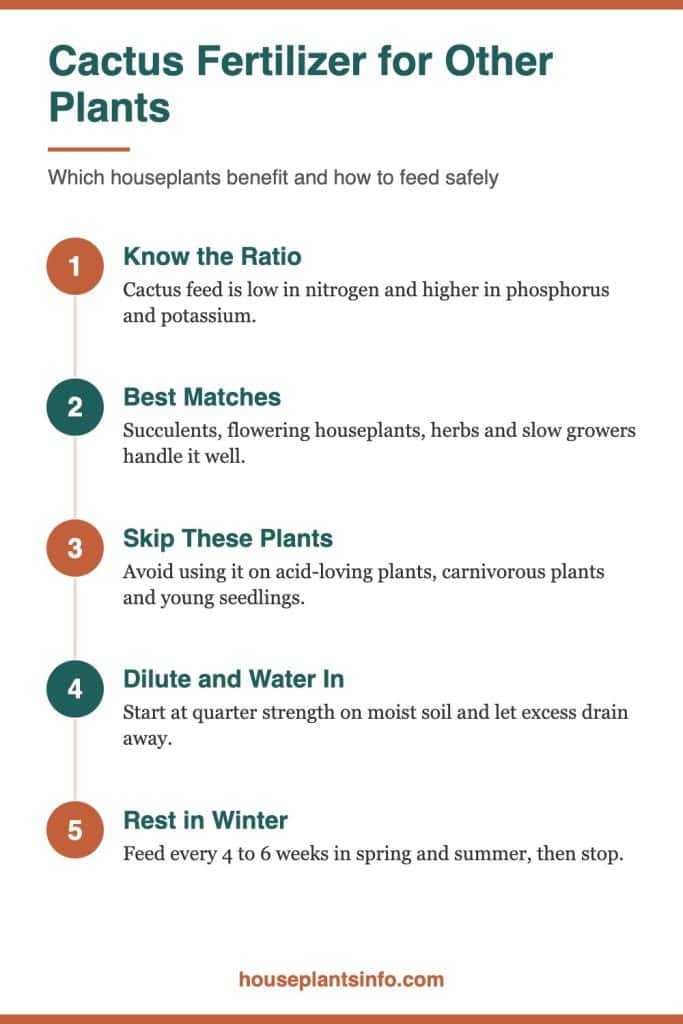
Cactus fertilizer is lower in nitrogen and relatively higher in phosphorus and potassium than general houseplant food. It is also usually designed to be applied weak, because cacti grow slowly and burn easily.
Reading the Three Numbers on the Label
Every fertilizer lists an N-P-K ratio: nitrogen, phosphorus and potassium, in that order. Nitrogen drives leaf and stem growth. Phosphorus supports roots and flowers, while potassium helps with overall vigor, water regulation and disease resistance.
Cactus and succulent fertilizers commonly fall in ranges like 1-7-6, 2-7-7 or 5-10-10. General-purpose houseplant fertilizers tend to be balanced, such as 10-10-10 or 20-20-20, or nitrogen-leaning, such as 3-1-2.
| Fertilizer type | Typical N-P-K ranges | Best suited for |
|---|---|---|
| Cactus and succulent | 1-7-6, 2-7-7, 5-10-10 | Cacti, succulents, slow growers, flowering plants |
| Balanced houseplant | 10-10-10, 20-20-20 | Most mixed collections |
| Foliage houseplant | 3-1-2, 9-3-6 | Pothos, philodendron, ferns, palms |
| Bloom fertilizer | 10-30-20, 15-30-15 | Heavy bloomers, fruiting plants |
| Acid-loving plant | 30-10-10 with acidifying ingredients | Azaleas, gardenias, blueberries |
Why Low Nitrogen Matters
Too much nitrogen pushes soft, stretched growth in cacti, which then rots or splits. The low-nitrogen formula keeps them compact. That same restraint is what makes cactus feed mild enough for many other plants.
The tradeoff is that plants grown mainly for big, lush leaves want more nitrogen than a cactus formula delivers. They will survive on it, but they may not look their best.
Measure Before You Pour
Most cactus fertilizers are concentrated liquids meant to be diluted heavily. A set of measuring spoons and a marked watering can make dosing accurate, so you are not guessing with a splash from the bottle.
A soil moisture meter also helps you confirm the pot is lightly moist before feeding. Fertilizer on dry roots is one of the fastest ways to cause burn indoors, especially near a radiator where soil dries unevenly.
This applies to columnar cacti too. If you care for Peruvian apple cactus indoors, the same diluted, low-nitrogen approach is what keeps its growth firm rather than floppy.
Can I Use Cactus Fertilizer for Other Plants That Aren’t Cacti?
Yes, and for several groups of houseplants it is a very good match. Plants that grow slowly, flower, or prefer lean conditions usually respond well to it.
Succulents and Other Desert Plants
Succulents such as jade, echeveria, haworthia, aloe, snake plant and ZZ plant share the cactus preference for lean feeding. A cactus formula suits them almost perfectly at the same dilution.
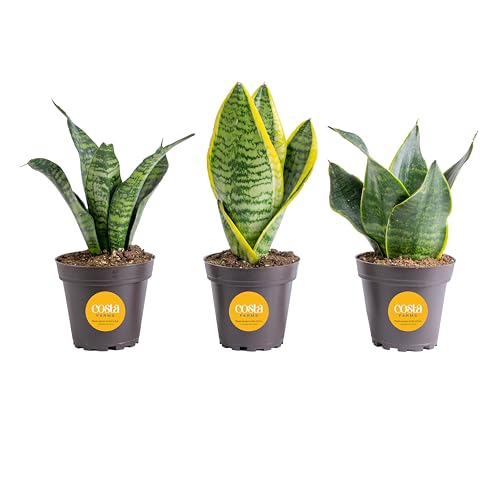
They also tend to share potting mix needs. If you plan to use cactus soil for succulents, pairing that gritty mix with cactus fertilizer keeps both feeding and drainage consistent across your shelf.
Flowering Houseplants
The higher phosphorus and potassium make cactus feed a reasonable choice for many bloomers. Kalanchoe, holiday cacti, hoyas, desert rose, peace lily during flowering, and flowering begonias can all use it.
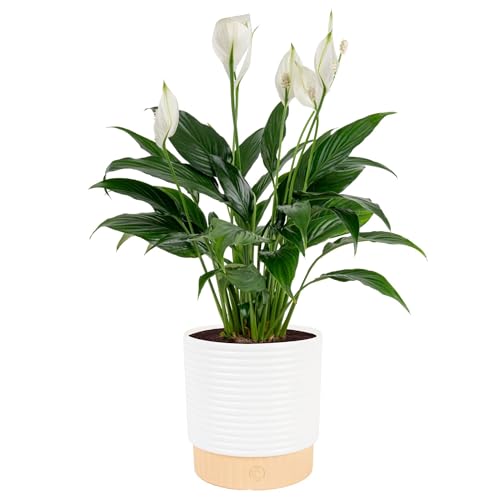
For these plants, feed through the growing season and stop once flowering finishes and growth slows. Pushing more fertilizer at a resting plant will not produce more flowers.
Herbs and Edibles on a Sunny Sill
Mediterranean herbs like rosemary, thyme and oregano prefer lean soil and taste stronger without heavy nitrogen. A weak cactus feed every month or so in spring and summer works well for them.
Fruiting plants such as indoor chili peppers or dwarf tomatoes also appreciate the phosphorus and potassium once they start flowering. Early on, while they build leaves, a balanced feed serves them better.
Slow Growers and Plants in Low Light
A snake plant in a north window or a cast iron plant across the room uses very little fertilizer. A mild cactus formula is often safer for these than a strong all-purpose one, because there is less risk of salt buildup.
Sophia’s tip: For any non-cactus plant you are trying this on, start at quarter strength for the first two feedings. Watch the newest leaves for three to four weeks before moving up to half strength.
Which Plants Don’t Do Well on Cactus Fertilizer?
Fast-growing foliage plants, acid-loving plants, carnivorous plants and very young seedlings are poor matches. Some will just look pale; others can be damaged.
Leafy, Fast-Growing Foliage Plants
Pothos, philodendron, monstera, ferns, calathea, palms and fiddle leaf figs use a lot of nitrogen to make new leaves. On cactus feed alone, older leaves may gradually yellow and new ones may come in smaller.

You can still use cactus fertilizer on them occasionally. Just alternate it with a balanced or foliage formula so they get the nitrogen they need.
Acid-Loving Plants
Gardenias, azaleas, camellias and indoor blueberries need acidic soil to absorb iron and other micronutrients. Standard cactus fertilizer does nothing to lower pH, so these plants can develop yellow leaves with green veins over time.
Use a fertilizer made for acid-loving plants for this group instead. Indoor tap water is often alkaline, which makes the right feed even more important.
Carnivorous Plants
Venus flytraps, sundews and pitcher plants evolved in nutrient-poor bogs. Fertilizer in their soil, cactus formula included, can burn their roots and kill them. They get nutrition from insects, not from the potting mix.
Seedlings and Fresh Cuttings
New seedlings and unrooted cuttings have tiny or no roots, and even mild fertilizer can scorch them. Wait until seedlings have a couple of sets of true leaves and cuttings show active new growth.
The same rule holds for cacti themselves. If you grow Peruvian apple cactus from cutting, hold off on fertilizer until the cutting has rooted and started pushing new growth.
A related worry people have is whether cacti harm neighboring pots. If you are curious whether you can cactus kill other plants sharing the same windowsill, the bigger risk usually comes from mismatched watering and feeding, not the cactus itself.
How Do You Dilute and Apply Cactus Fertilizer to Other Plants?
Dilute it to quarter or half the label’s cactus rate for most non-cactus plants, and apply it to soil that is already slightly moist. Water it in thoroughly so it reaches the whole root zone.
Getting the Strength Right
Follow the label first, since concentrations vary widely between products. Then reduce it based on the plant:
- Succulents and flowering plants: half to full label strength
- Slow growers and low-light plants: quarter strength
- Herbs: quarter to half strength
- Foliage plants as an occasional feed: half strength, alternated with a balanced formula
If a label gives a range, use the lower end indoors. Indoor plants get less light than outdoor ones and grow more slowly, so they use fertilizer more slowly too.
Step-by-Step Application
- Water the plant lightly the day before, or check that the top inch of soil is barely moist.
- Mix the diluted fertilizer in a watering can using measured amounts.
- Pour slowly around the soil surface, avoiding the leaves and the crown of rosette plants.
- Keep pouring until a little water runs from the drainage hole.
- Empty the saucer within 15 to 30 minutes so the plant does not sit in salty runoff.
Granular and Slow-Release Versions
Some cactus fertilizers come as granules or slow-release pellets. Use about half the label amount for non-cactus plants and scratch them lightly into the top layer of soil.
Slow-release products keep feeding for weeks or months, so never add liquid fertilizer on top of them. Stacking the two is a common cause of burned roots.
Keeping Pets and Kids Safe
Store fertilizer bottles closed, labeled and on a high shelf. The ASPCA lists fertilizers among common household hazards for pets, with ingestion typically causing stomach upset. Organic products like fish or bone meal smell appealing to dogs, so keep them sealed.
How Often Should You Feed Other Plants With Cactus Fertilizer Indoors?
For most houseplants, feed every 4 to 6 weeks from spring through late summer, and stop in late fall and winter. Fast growers in bright light can take it every 2 to 4 weeks at a weaker dilution.
Matching Frequency to Growth
| Plant group | Spring to summer frequency | Fall to winter |
|---|---|---|
| Cacti and succulents | Every 4 to 6 weeks | None |
| Flowering houseplants | Every 2 to 4 weeks while budding and blooming | None, or monthly if still flowering |
| Herbs on a sunny sill | Every 3 to 4 weeks | None to every 8 weeks |
| Slow growers in low light | Every 6 to 8 weeks | None |
| Foliage plants (alternating) | Every 2 to 4 weeks | None |
Why Winter Feeding Backfires
In a Chicago-style winter, days are short and light is weak even in a south window. Plants slow down, so fertilizer sits unused in the soil and builds up as salt.
Forced-air heat and radiators dry the soil fast, which concentrates those salts further. That combination often shows up as brown leaf tips by February.
Exceptions Under Grow Lights
Plants growing steadily under a grow light for 12 to 14 hours a day may keep growing through winter. If you see new leaves forming, a quarter-strength feed every 6 to 8 weeks is reasonable.
Sophia’s tip: Mark your feeding dates on a calendar or a strip of tape on the bottle. Stop feeding in October and restart when you see new growth in March or April, rather than at a fixed date.
Signs the Feeding Isn’t Working, and the Fix for Each
Most problems come from feeding too often, too strongly, or with the wrong ratio for the plant. The symptoms are readable if you know what to look for.
Brown, Crispy Leaf Tips or Edges
This usually signals salt buildup from too much fertilizer, made worse by dry indoor air. Flush the pot by running room-temperature water through it for a minute or two, let it drain fully, and skip the next feeding.
White Crust on the Soil or Pot Rim
That crust is mineral and fertilizer salt. Scrape off the top half inch of soil, replace it with fresh mix, and flush the pot. Going forward, flush every 2 to 3 months during the growing season.
Older Leaves Turning Pale or Yellow
On foliage plants fed only cactus fertilizer, this often means not enough nitrogen. Switch to alternating with a balanced or foliage formula. Also rule out overwatering, which causes similar yellowing and is far more common indoors.
Yellow Leaves With Green Veins
This pattern, called chlorosis, often points to iron or manganese uptake problems, frequently from high soil pH. Acid-loving plants are the usual victims. Move them to an acid-plant fertilizer and consider repotting into fresh mix.
Soft, Stretched or Leggy Growth
In cacti and succulents, this is usually too little light, sometimes combined with too much nitrogen. Move the plant within a foot or two of a bright south or west window, or add a grow light, and keep feeding lean.
No Flowers on a Flowering Plant
Fertilizer alone rarely triggers blooms. Most flowering houseplants need enough light, and some, like holiday cacti, need cooler nights or longer dark periods in fall. Check those conditions before changing your feed.
Liquid, Granular or Organic: Which Cactus Feed Works Best on Other Plants?
Liquid cactus fertilizer is the most flexible choice for a mixed indoor collection because you control the dose with each watering. Organic options also work, though they act more slowly and some carry strong odors.
Liquid Concentrates
Liquids let you dilute to exactly the strength each plant needs. They act quickly and are easy to stop when growth slows. For a shelf mixing cacti, succulents and a few bloomers, this is the type I recommend.
Granular and Slow-Release
Granules are convenient if you tend to forget feedings, but they are harder to adjust. They suit a single plant in its own pot better than a mixed group, since every plant gets the same steady release.
Organic Alternatives
Several organic materials offer a cactus-friendly profile. Bone meal supplies phosphorus and calcium, kelp or seaweed extract adds potassium and trace elements, and worm castings provide a gentle, balanced nutrient source.
Fish emulsion is higher in nitrogen and has a strong smell, which matters in a closed apartment. If you are weighing whether to use fish fertilizer on cactus plants, the same dilution caution applies to your other plants too.
Compost tea and worm castings are mild enough for most houseplants. Mix a thin layer of castings into the top inch of soil in spring, or use the tea at about half the strength you would use outdoors.
Sophia’s tip: Use organic fertilizers with odors near a window you can crack open, and avoid them in rooms where pets nap. Water them in well so nothing sits on the soil surface.
Which One Fits Your Setup
| Feed type | Best for | Watch out for |
|---|---|---|
| Liquid cactus concentrate | Mixed collections, precise dosing | Overdosing if you skip measuring |
| Granular cactus feed | Single large pots, forgetful feeders | Hard to stop feeding quickly |
| Bone meal | Flowering plants, root growth | Slow to act; attractive to dogs |
| Kelp extract | General use, trace minerals | Can be pricey for small amounts |
| Worm castings | Gentle feeding for almost any plant | Low nutrient strength on its own |
| Fish emulsion | Leafy plants needing nitrogen | Strong odor indoors |
Your Next Steps
- Check the N-P-K numbers on your cactus fertilizer and note the label’s dilution rate.
- Sort your plants into three groups: good matches (succulents, bloomers, herbs), occasional use (foliage plants), and never (acid-loving and carnivorous plants).
- Mix a quarter-strength batch with measuring spoons and try it on one non-cactus plant first.
- Set a reminder to feed every 4 to 6 weeks in spring and summer, and stop in October.
- Flush pots near radiators or heat vents every 2 to 3 months to prevent salt buildup.
- Move fertilizer bottles to a closed cabinet or high shelf away from pets and kids.
Common Questions About Using Cactus Fertilizer on Other Plants
Can I use cactus fertilizer on my pothos or monstera?
You can use it occasionally, but it should not be their only food. These foliage plants need more nitrogen than a cactus formula provides, so alternate it with a balanced or foliage fertilizer during the growing season.
Is cactus fertilizer the same as succulent fertilizer?
In most cases, yes. Products labeled for cacti and succulents use the same low-nitrogen ratios and dilution guidance, so you can use them interchangeably on both groups.
Can I use cactus fertilizer on orchids?
It can work in a pinch at quarter strength, since orchids also prefer weak, frequent feeding. Orchid-specific fertilizers are better matched to bark-based mixes, so treat cactus feed as a backup rather than a long-term plan.
Can I use regular houseplant fertilizer on my cactus instead?
Yes, if you dilute a balanced fertilizer to quarter strength and feed less often. Avoid high-nitrogen foliage formulas on cacti, which can cause soft, stretched growth that is prone to rot.
Will cactus fertilizer go bad if I don’t use it all?
Liquid fertilizers stay usable for several years when sealed and stored away from heat and freezing. If it separates, shake it well; if it smells off, has grown mold, or has hardened, replace it.

Hi! I’m Sophia, and I love plants – especially an expert in growing house plants. I stay in Chicago, United States of America, and through my blog and social media platforms, provide tips and tricks on how to grow healthy, vibrant plants indoors. Check out more here.