
You notice your zebra plant on the windowsill looking wrong: soft leaves at the base, brown tips spreading, or a rosette that seems to be shrinking into itself.
The short version: A dying zebra cactus is usually suffering from too much water, too little light, or cold, wet roots.
Most plants can be saved if you catch it early, dry the soil fully, trim rotted tissue, and move the plant to brighter, warmer conditions.
This guide covers how to read the symptoms, the eight most common causes, the fix for each, and how to tell real decline from normal aging.
Check These First
- Press the base of the rosette. If it feels soft, wobbly, or squishy, check the roots for rot today.
- Push a finger 1 to 2 inches into the soil. If it is still damp a week after watering, the pot is holding too much water.
- Look at the pot. No drainage hole, or a decorative cover pot with standing water, is the most common hidden problem.
- Note where the plant sits. More than 3 feet from a window, or right against cold winter glass, both cause trouble.
- Turn a few leaves over. White cottony spots or brown bumps mean pests.
How to Read the Signs of a Dying Zebra Cactus
The zebra cactus (Haworthiopsis attenuata, often sold as Haworthia) is a small succulent, not a true cactus, and its leaves tell you exactly what is wrong.
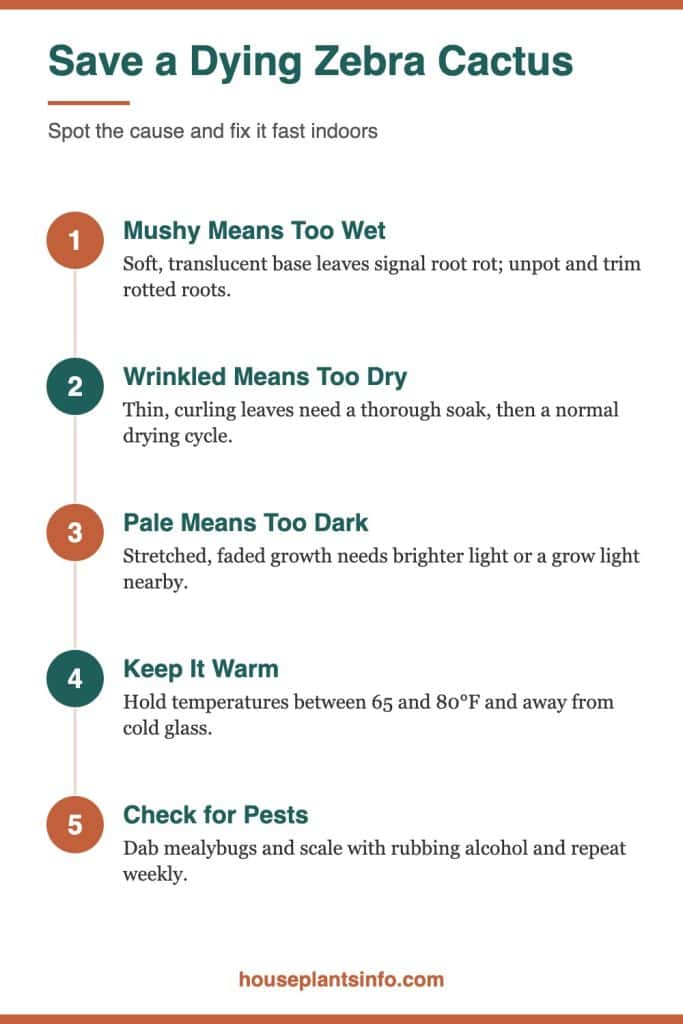
Mushy means too wet, wrinkled means too dry, pale and stretched means too dark, and red or bleached means too much sun.
Matching Symptoms to Causes
Start by identifying the main symptom, then jump to the matching section below. Many struggling plants show two problems at once, such as low light combined with overwatering, because soil dries slowly in dim spots.
| Symptom | Most likely cause | How urgent |
|---|---|---|
| Soft, translucent, or black leaves at the base | Overwatering, root rot | Act today |
| Thin, wrinkled, curling leaves | Underwatering or damaged roots | Act this week |
| Pale green, stretched, leaning growth | Not enough light | Act this week |
| Red, orange, or bleached patches | Too much direct sun | Move the plant |
| Dark, glassy leaves after a cold night | Cold damage | Act today |
| White fluff, sticky residue, brown bumps | Mealybugs or scale | Act today |
| Only the oldest bottom leaves drying | Normal aging | No action needed |
Simple Ways to Confirm the Diagnosis
Guessing at watering is how most zebra plants get into trouble. A soil moisture meter or a plain wooden skewer pushed to the bottom of the pot shows whether the root zone is actually dry, not just the top layer.

If light seems to be the issue, a grow light placed 6 to 12 inches above the plant for 12 to 14 hours a day can stand in for a weak window.
This helps most in Chicago-style winters, when daylight drops and north-facing rooms get very little sun.
Why Zebra Plants Decline Slowly
Haworthias store water in thick leaves, so problems often start weeks before you see them. By the time the rosette looks bad, the roots may have been sitting wet or dry for a long time.
That is why checking roots is usually the most informative step.
If you are dealing with a true cactus instead, the general guide on why your cactus dying might happen covers spiny species in more detail.
Mushy Leaves and Root Rot: Overwatering and the Fix
Overwatering is the leading cause of a zebra cactus dying indoors. Roots sitting in wet soil lose oxygen, rot, and then spread decay up into the base of the rosette.
Signs the Roots Are Rotting
Watch for leaves that turn yellow, then translucent, then brown or black, starting at the bottom. The plant may lean or pull loose from the soil with a gentle tug. Rotting roots look dark, hollow, and slimy, and the soil may smell sour.
Healthy roots are firm and white to pale tan. Haworthias also have thick, fleshy roots that sometimes die back naturally in heat, so judge by texture and smell, not color alone.
Step-by-Step Rescue
- Slide the plant out of its pot and shake or rinse off the old soil.
- Cut away every soft, black, or hollow root with clean, sharp scissors. Wipe the blades with rubbing alcohol between cuts.
- Remove any mushy leaves at the base. Peel them down and away gently.
- If rot has reached the center of the stem, cut above it until you see clean, firm, green tissue.
- Let the plant sit in bright, indirect light for 2 to 7 days until cut surfaces dry and callus.
- Replant in fresh, dry succulent mix and wait about a week before watering lightly.
Preventing It Next Time
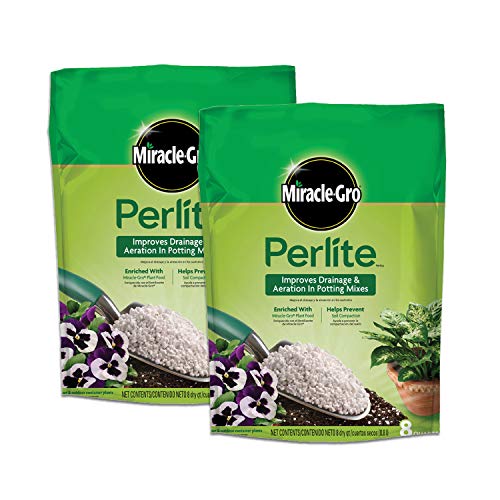
Use a gritty mix of roughly half cactus soil and half perlite, pumice, or coarse sand. Choose a pot with a drainage hole, ideally unglazed terracotta, which wicks moisture out of the soil. Water only when the soil is dry all the way down.
For a broader rescue process that also applies to other succulents, see how to save a dying cactus with similar trimming and repotting steps.
Sophia’s tip: If the roots are mostly gone but the rosette is firm, set it on dry soil and mist nothing. New roots usually form within a few weeks in bright light, as long as you hold off on watering.
Wrinkled, Curling Leaves: Underwatering and the Fix
Underwatering shows up as thin, wrinkled, inward-curling leaves that look deflated. It is far easier to fix than rot, and plumpness usually returns within one to two weeks of a proper soak.
Why It Happens Indoors
Radiators and forced-air heat dry both soil and air quickly in winter. Small pots in sunny south or west windows can dry out in days during summer. Very gritty mixes drain fast, which is good, but they also need watering more often than people expect.
How to Rehydrate the Plant
Water slowly until it runs out the drainage hole, then let the pot drain completely.
If the soil has shrunk away from the pot edge and water runs straight through, bottom-water instead: set the pot in a few inches of water for 15 to 30 minutes, then let it drain.
Do not keep watering every day to make up for lost time. Return to a normal cycle: water thoroughly, then wait until the soil is completely dry.
When Wrinkling Means Something Else
If leaves stay wrinkled even though the soil is moist, the roots are probably damaged and cannot take up water. That points back to rot, so unpot the plant and inspect the roots before adding more water.
Typical Watering Rhythm
| Season | Approximate frequency indoors |
|---|---|
| Spring and fall (active growth) | Every 2 to 3 weeks |
| Summer heat | Every 2 to 4 weeks, less if growth stalls |
| Winter | Every 4 to 6 weeks, or when soil is fully dry |
These are ranges, not rules. Pot size, light, and how warm your apartment runs all change the timing, so check the soil before every watering.
Pale, Stretched Growth: Not Enough Light and the Fix
When a zebra cactus lacks light, it turns pale green, the white stripes fade, and the rosette stretches open and leans toward the window. This is called etiolation, and stretched growth will not shrink back, though new growth can be compact again.
What Good Light Looks Like
Zebra plants want bright, indirect light with some gentle direct sun. An east-facing window, or a spot 1 to 3 feet back from a south or west window, usually works well. North windows are often too dim, especially from November through February.
Correcting Low Light Safely
Move the plant gradually. A plant that has lived in a dim corner can scorch if you place it straight into strong afternoon sun. Shift it closer to the light over one to two weeks.
If your windows are limited, a full-spectrum grow light fills the gap. Rotate the pot a quarter turn every week or two so the rosette grows evenly instead of leaning.

Fixing Leggy Plants
Badly stretched plants can be reset. Cut the top of the rosette off with a clean blade, let it callus for several days, and root it in dry succulent mix. The remaining base often produces new pups along the stem.
Red, Brown, or Bleached Leaves: Too Much Sun and the Fix
Leaves that turn red, orange, or reddish brown are reacting to intense light, and bleached, crispy patches are sunburn. Mild reddening is a stress color and reverses in gentler light, but burned tissue stays scarred.
Common Indoor Triggers
Sunburn often happens after a sudden move, such as putting the plant outside for summer or into an unshaded west window. Glass can also concentrate afternoon heat, especially when the plant touches the pane.
How to Help a Sun-Stressed Plant
Move the plant a few feet back from the window or behind a sheer curtain. Keep watering on a normal schedule, since stressed plants in hot spots may dry out faster.
Badly burned leaves can be left until they dry, then removed with a gentle tug.
If you take the plant outdoors in warm months, start in full shade and increase sun exposure over two to three weeks.
Sophia’s tip: A little reddish tint on a plant in a bright east window is usually fine. I only move the plant if the color deepens to brown or the leaf tips start to feel papery.
Soft, Dark Leaves After Winter: Cold Drafts and Heat Stress
Cold damage makes leaves look dark, water-soaked, and glassy, then turn mushy within days. Zebra plants prefer 65 to 80°F and should be kept above about 50°F, especially if their soil is damp.
Cold Windows and Drafts
On Chicago winter nights, the air near single-pane glass can drop far below room temperature. Leaves touching frosty glass can freeze even when the room feels comfortable. Drafts from exterior doors and leaky windows cause similar damage.
Move the plant a few inches back from the glass at night, or slip a piece of cardboard between pot and window. Keep the soil on the dry side through winter, since cold plus wet roots is a fast path to rot.
Heat Sources and AC
Radiators and heating vents dry the plant fast and can scorch leaves facing the heat. Keep zebra plants at least 3 feet from radiators and out of the direct path of forced-air vents.
In summer, avoid spots under an AC unit, where cold, dry blasts stress the plant.
Treating Cold-Damaged Leaves
Remove leaves that turn completely mushy so rot does not spread into the stem. If only tips are damaged, leave the rest of the leaf in place; it still feeds the plant. Hold off on water until the plant is warm and firm.
White Fluff or Sticky Spots: Pests and the Fix
Mealybugs and scale are the main pests on zebra plants. They feed on sap, causing yellowing, slow growth, and sticky residue, and can kill a small rosette if ignored.
Identifying the Culprit
- Mealybugs look like small white cotton tufts, often hidden deep between leaves at the base of the rosette.
- Root mealybugs leave white, waxy patches on roots and the inside of the pot, found only when you unpot the plant.
- Scale appears as small brown or tan bumps that do not move and scrape off with a fingernail.
- Fungus gnats hover over damp soil. They signal overwatering more than a direct threat.
Treatment That Works
Isolate the plant from other houseplants right away. Dab visible mealybugs and scale with a cotton swab dipped in 70 percent isopropyl alcohol.
Follow up with insecticidal soap or horticultural oil, testing on one leaf first, and repeat every 7 to 10 days for several weeks.
For root mealybugs, unpot the plant, wash all soil off the roots, trim badly infested roots, and repot into fresh mix and a cleaned or new pot.
Keeping Pests Away
Check new plants for a couple of weeks before placing them near your collection. Inspect between leaves whenever you water. Pests multiply fastest on stressed plants, so good light and careful watering are your best long-term defense.
Is It Dying or Just Normal? Aging, Dormancy, and Flowers
Not every brown leaf means trouble. Zebra plants shed their oldest bottom leaves regularly, slow down in summer heat, and send up flower stalks that eventually dry out, all of which are normal.
Normal Leaf Loss
As new leaves form in the center, the lowest leaves dry, flatten, and turn brown or papery. If the center stays firm and green and only one or two bottom leaves are affected at a time, the plant is healthy.
Remove dried leaves once they pull away easily.
Seasonal Slowdowns
Haworthias grow most in spring and fall. During very hot summer weather they may pause, and leaf tips can dry slightly. Water less during this rest instead of feeding or repotting.
Flower Stalks and Pups
Mature plants may send up a long, thin stalk with small white tubular flowers. The stalk browns once flowering ends, which is expected; snip it at the base.
If you want to understand flower drop on other species, read why are the flowers on my cactus dying for a broader look.
Offsets, or pups, around the base are a good sign. They also give you backup plants if the main rosette ever fails.
Pet Safety
The ASPCA lists the zebra haworthia as non-toxic to cats, dogs, and horses. Still, keep pots out of reach of pets and kids who like to dig, since spilled soil and chewed leaves can set back a recovering plant.
Comparing With Other Succulents
Different plants fail in different ways. If you also grow other species, you might want to know how do you save a dying pencil cactus, which has toxic sap and needs gloves.
Grafted plants have their own warning signs, so check how do I know if my moon cactus is dying if you have one.
Sophia’s tip: If the main rosette is too far gone, cut off any healthy pups with a bit of root, let them dry for a day, and pot them in gritty mix. It is the most reliable way to keep the plant going.
Your Next Steps
- Check the base of the rosette and the soil moisture today to rule out rot first.
- Unpot the plant if leaves are mushy, trim rotted roots, let it callus, and repot in dry, gritty mix.
- Move the plant to bright, indirect light near an east window, or add a grow light in winter.
- Keep it at least 3 feet from radiators and a few inches back from cold glass.
- Inspect between leaves for mealybugs and treat any you find with rubbing alcohol.
- Water only when the soil is dry all the way down, and use a pot with drainage.
Common Questions About Dying Zebra Cactus
Can a zebra cactus come back from root rot?
Yes, if part of the stem and rosette is still firm and green. Cut away all rotted tissue, let the plant callus for a few days, and replant in dry succulent mix. New roots typically form within several weeks in bright, warm conditions.
Why are my zebra cactus tips turning brown?
Brown, dry tips usually come from very dry air near radiators, too much direct sun, or long gaps between waterings. A few dry tips on older leaves are normal. If brown tips appear with mushy bases, overwatering is the more likely cause.
How often should I water a zebra cactus indoors?
Most indoor zebra plants need water every 2 to 3 weeks in spring and fall and every 4 to 6 weeks in winter. Always confirm the soil is completely dry first. Pot size, light, and room temperature change the schedule.
Why is my zebra cactus turning white or pale?
Pale, faded color with stretched growth means the plant is not getting enough light. Move it closer to a bright window gradually or use a grow light. Bleached, crispy patches, on the other hand, are sunburn from sudden strong light.
Is a zebra cactus safe for cats and dogs?
The ASPCA lists zebra haworthia as non-toxic to cats, dogs, and horses. Chewing can still damage the plant and cause mild stomach upset in some pets. Keeping it on a high shelf protects both the plant and your animals.

Hi! I’m Sophia, and I love plants – especially an expert in growing house plants. I stay in Chicago, United States of America, and through my blog and social media platforms, provide tips and tricks on how to grow healthy, vibrant plants indoors. Check out more here.