
The ivy trailing from your shelf near the window has picked up a reddish, purple or bronze tint along its leaves, and you are wondering whether English ivy turning red means something is wrong.
The short version: Red color in English ivy (Hedera helix) comes from anthocyanin pigments, which the plant produces in response to stress. Cold nights and strong direct sun are the most common triggers, and both are usually harmless.
Nutrient shortages, root trouble and pests are the causes worth fixing.
This guide covers each cause, how to tell them apart, and how to get green growth back.
Check These First
- Feel the glass and the air near the plant. Leaves that touch a cold window or sit in a draft often turn red within a week or two.
- Note which way the window faces. A south or west window with no sheer curtain can deliver enough direct sun to redden the top leaves.
- Push a finger an inch into the soil. Soil that stays soggy for days, or dries out to dust between waterings, points to root stress.
- Look closely at the color pattern. Even reddening is usually environmental, while dark sunken spots or fine speckling suggest disease or pests.
- Check where the red shows up. Older, lower leaves that turn reddish-purple while growth slows can signal low phosphorus.
Is English Ivy Turning Red Normal?
Yes, in many cases it is a normal stress response and not a sign of a dying plant. English ivy makes anthocyanins, the same red and purple pigments seen in fall foliage, when it is exposed to cold, intense light or other pressure.
What the Red Color Actually Does
Anthocyanins act like a kind of sunscreen inside the leaf. They help shield the plant’s green chlorophyll from light damage when the plant cannot use all the energy it is absorbing, which happens most often in cool conditions or bright sun.
Because the color is protective, a leaf can turn red and still be healthy. The tissue stays firm, glossy and flexible. That is the key difference between harmless reddening and real damage.
Signs It Is Just a Color Change
Healthy red leaves look evenly tinted, often darkest along the edges or between the veins. They do not feel crispy, mushy or papery, and they do not drop off when you touch the stem.
You will often see the color concentrated on the side of the plant facing the window. The leaves deeper inside the pot or shaded by other leaves stay green.
Signs It Needs Attention
Reddening deserves a closer look when it comes with other changes. Watch for leaves that fall easily, new growth that stalls for weeks, soil that smells sour, or spots and speckles instead of an even wash of color.
If the red edges are drying out and turning crispy, the issue may be moving toward the problems covered in our guide to English ivy leaves turning brown.
Simple Ways to Narrow It Down
A small digital thermometer placed right next to the pot tells you much more than the thermostat across the room. Leave it there for a few nights to see how cold the plant actually gets.
A soil moisture meter can also help if you are unsure how wet the root zone is below the surface. It reads deeper than a fingertip, which matters in taller pots.
Cold Temperatures and Seasonal Color
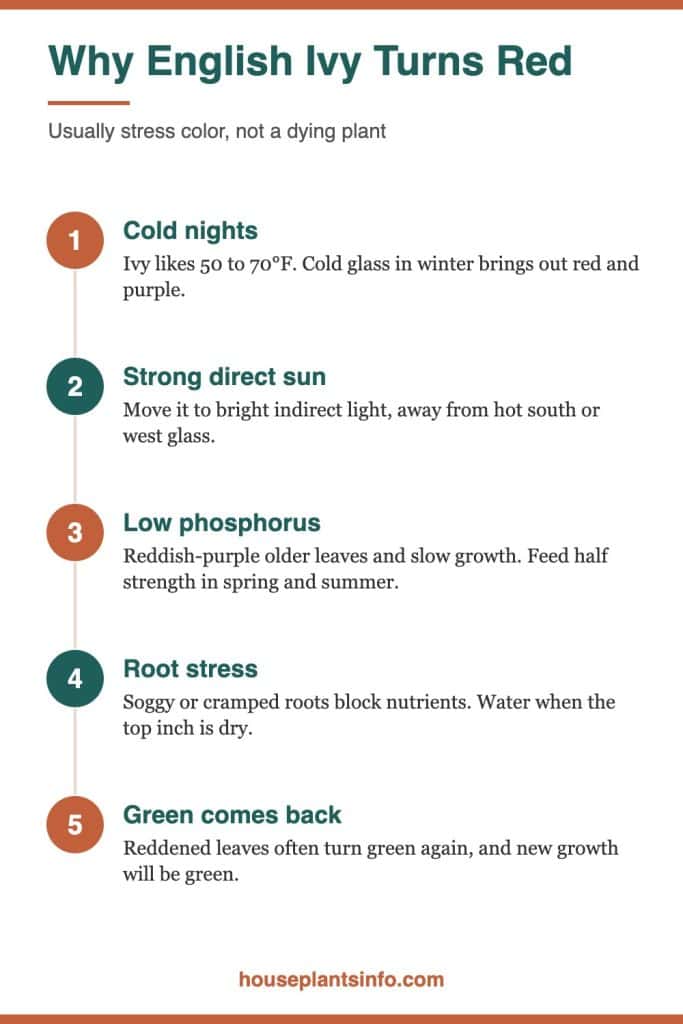
Cold is the most common reason English ivy turns red, especially from October through March. Ivy grows best between 50 and 70°F, and nights below that range often bring out red and purple tones.
Why Fall and Winter Bring Color
Outdoors, English ivy naturally reddens in fall and winter as nights cool. Indoors, the same thing happens to plants on a windowsill, because the glass can be 10 or more degrees colder than the room on a winter night.
In a Chicago winter, a sill facing any direction can drop into the 40s overnight even when the room reads 68°F. The leaves pressed against the glass feel that cold directly.
Varieties That Color Up on Purpose
Some English ivy varieties are more inclined to turn red, purple or bronze in cold weather than others. In these plants, the color is part of their normal seasonal look and returns every year.
If your plant reddens every winter and greens up every spring with no other symptoms, you likely have one of these types. There is nothing to fix.
Moving It Away From the Cold
Pull the plant back so the leaves sit at least 6 to 12 inches from the glass on cold nights. A curtain or cellular shade closed at night adds another buffer between the plant and the window.
Watch for cold drafts from exterior doors, leaky window frames and air conditioning vents in summer. AC blowing directly on ivy can cause the same reddening as a cold window.
Sophia’s tip: Slide a sheet of cardboard or a folded towel between the pot and a cold windowsill. Stone and tile sills chill the roots too, and lifting the pot an inch on a small stand helps.
Avoiding the Opposite Problem
Do not solve cold stress by parking ivy beside a radiator or forced-air vent. Hot, dry air causes its own problems, including crispy edges and the dry conditions spider mites love.
A spot that stays steady in the 60s, away from both cold glass and heat sources, suits ivy best through the winter.
Too Much Direct Sun
Strong direct sun can redden English ivy even when temperatures are comfortable. The fix is bright indirect light, which keeps the plant growing well without overwhelming the leaves.
Which Windows Cause Trouble
South and west windows deliver the most intense direct light indoors, especially in summer afternoons. Ivy placed right against these windows often shows red or bronze leaves on the sunny side within a couple of weeks.
East windows give gentle morning sun that most ivy handles well. North windows rarely cause reddening but may leave the plant leggy if it sits too far back.
Sun Color Versus Sunburn
Sun-induced reddening is an even tint on the leaves facing the light. Sunburn is different: it shows up as pale, bleached or tan patches that turn dry and papery and do not recover.
If you see bleached patches, move the plant right away. Reddened leaves can turn green again, but scorched tissue stays damaged.
Getting the Light Right
Place ivy 3 to 5 feet back from a south or west window, or filter the light with a sheer curtain. Near an east window, you can usually keep it within a few feet of the glass.
If your space is dim, a full-spectrum LED grow light works well. Keep it 12 to 18 inches above the foliage and run it about 12 hours a day.
Sophia’s tip: Rotate the pot a quarter turn every time you water. This spreads light evenly, so one side does not redden while the other side stretches toward the window.
Watch for Combined Stress
Bright sun and cold nights together make reddening much stronger. A south window in late fall, with sunny days and freezing nights outside, is a classic setup for a deeply colored plant.
In that case, moving the plant back from the glass solves both problems at once.
Phosphorus and Other Nutrient Issues
A shortage of phosphorus can turn English ivy reddish-purple, starting on the older leaves. This cause usually comes with slow growth, so look at both the color and how much new growth the plant is producing.
How Phosphorus Deficiency Looks
Phosphorus moves within the plant, so when it runs short, the plant pulls it from older leaves to feed new ones. That is why the lower, older leaves turn reddish-purple first while tips may look normal.
Growth slows noticeably. New leaves may be smaller than usual, and vines stop lengthening even in spring and summer when they should be active.
Why Potted Ivy Runs Low
Potting mix holds only a limited amount of nutrients, and regular watering gradually washes them out. A plant that has gone a year or more in the same mix without feeding is a likely candidate.

Cold soil also limits how well roots take up phosphorus. A plant on a chilly sill can show signs of deficiency even if the soil contains enough.
Feeding the Right Way
Use a balanced liquid fertilizer mixed at half strength every 2 to 4 weeks during spring and summer. Skip feeding or cut way back in fall and winter, when growth slows.

For help picking a formula, see our guide to the best fertilizers for English ivy.
Do Not Overcorrect
More fertilizer is not better. Too much can build up salts in the soil, burn roots and cause brown leaf edges, which makes the plant worse.
Water the soil thoroughly before feeding, never apply fertilizer to bone-dry soil, and flush the pot with plain water every few months to clear buildup.
Watering Stress and Root Problems
Roots that are damaged, waterlogged, dry or cramped cannot take up nutrients well, and the leaves may turn red as a result. Fixing the roots often fixes the color.
Overwatering and Soggy Soil
English ivy dislikes sitting in wet soil. When the mix stays soggy, roots run short of oxygen, start to rot and stop absorbing nutrients, even if the soil has plenty of them.
Signs include soil that stays wet for a week, a sour smell, yellowing mixed with reddening, and wilting even though the soil is moist.
Drought Stress
Letting ivy dry out completely and repeatedly also stresses the plant. Dry winter air from forced-air heat speeds this up, and a pot can dry out much faster in January than in summer.
Drought-stressed ivy often shows red tints, limp vines and crispy tips. Leaves may also roll inward, a symptom covered in our guide to English ivy leaves curling.
Finding the Right Rhythm
Water when the top inch of soil is dry, then water until it drains from the bottom. Empty the saucer after 15 minutes so the roots are not sitting in water.
Timing changes with the season, the pot and your heating. For more detail, read about how much water English ivy needs.
When the Pot Is Too Small
A root-bound ivy has roots circling the pot or poking out of the drainage holes. Water may run straight through without soaking in, and the plant cannot take up enough nutrients.
Repot in spring into a container 1 to 2 inches wider, with drainage holes and a well-draining potting mix. Trim away any black, mushy roots before settling the plant in.
Pests and Leaf Diseases
Pests and diseases usually create a different pattern than true reddening. Look for spots, speckles or webbing rather than an even tint across the leaf.
Spider Mites
Spider mites are tiny pests that thrive in warm, dry indoor air, especially in winter when the heat is running. They feed on the undersides of leaves and leave fine pale speckling called stippling.
Heavy infestations give the foliage a dull bronze cast that can be mistaken for natural reddening. Check the leaf undersides and stem joints for fine webbing.
How to Treat Mites
Rinse the plant thoroughly in the shower or sink, paying special attention to leaf undersides. Then spray all surfaces with insecticidal soap, repeating every 5 to 7 days for several weeks.
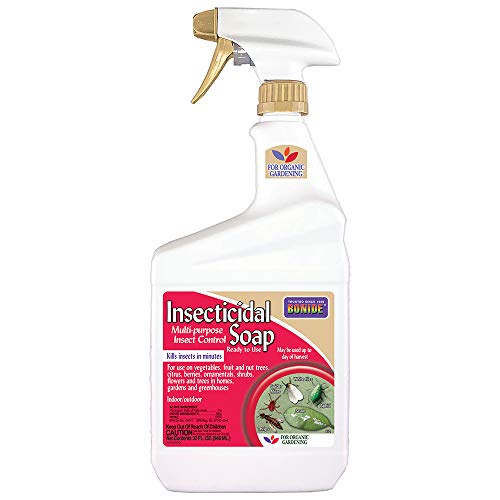
Isolate the plant from your other houseplants while you treat it. For a full plan, see our guide to getting rid of spider mites.
Sophia’s tip: Hold a sheet of white paper under a branch and tap the vine firmly. If tiny specks fall and start moving, you have spider mites.
Anthracnose and Bacterial Leaf Spot
Anthracnose is a fungal disease that creates dark, sunken spots on the leaves, sometimes with a reddish or yellow border. Bacterial leaf spot shows up as dark, water-soaked spots that may merge into larger patches.
Neither looks like an even red wash. Both spread more readily when leaves stay wet and air movement is poor.
Managing Leaf Spots
Remove spotted leaves with clean scissors and discard them in the trash. Water the soil directly instead of the foliage, and give the plant some space for air to move around it.
Wipe your scissors between cuts if several leaves are affected. Keep an eye on new growth for a few weeks to make sure the spots do not return.
How to Bring Back Green Leaves
Most reddened ivy leaves return to green once the stress is removed, and new growth will come in green. The process takes a few weeks, so patience matters.
Fix the Main Cause First
Match the fix to what you found. Move the plant away from cold glass and drafts, shift it into bright indirect light, adjust your watering, feed if growth has stalled, or treat pests.
Change one or two things at a time. Making every change at once makes it hard to tell what helped.
What Recovery Looks Like
Expect the red to fade gradually over 2 to 6 weeks as conditions improve. Spring often speeds things up because the plant begins growing more actively.
Leaves that were damaged by sunburn, rot or disease will not recover. Trim them off so the plant can direct energy to healthy growth.
Pruning to Refresh the Plant
Cut back long, bare or heavily discolored vines just above a leaf node. Ivy branches readily from these points, giving you fuller, greener growth.
You can root healthy cuttings in water or moist potting mix to fill out the pot or start a new plant.
Keeping It Safe Around Pets
The ASPCA lists English ivy as toxic to cats and dogs. It contains saponins, which can cause vomiting, drooling and diarrhea if pets chew the leaves.
Hang the plant or keep it on a high shelf, and pick up fallen leaves and pruned stems promptly. If you need help, read about what to do if your dog eats English ivy.
When Red Is Simply Part of the Plant
If your ivy is a variety that colors up each winter and shows no other symptoms, you do not need to do anything. I recommend enjoying the seasonal color and letting spring warmth bring the green back naturally.
Your Next Steps
- Place a thermometer next to the plant for a few nights and move it 6 to 12 inches from the glass if it drops below 50°F.
- Shift the plant back from a south or west window, or add a sheer curtain to filter the light.
- Check the soil before watering and water only when the top inch is dry.
- Start a half-strength balanced liquid fertilizer every 2 to 4 weeks in spring and summer if growth has stalled.
- Inspect the leaf undersides for stippling, webbing or dark spots, and treat or prune as needed.
- Slide the plant out of its pot and repot in spring if the roots are circling tightly.
Common Questions About English Ivy Turning Red
Will red English ivy leaves turn green again?
Often, yes. Leaves reddened by cold, sun or mild stress usually return to green within a few weeks once conditions improve. Damaged or spotted leaves will not recover, but new growth should come in green.
Is red English ivy dying?
Not usually. Red color alone is a protective stress response, and the plant can be perfectly healthy. Worry if you also see leaf drop, mushy stems, crispy edges or a sour smell from the soil.
Why are only the leaves near the window turning red?
Those leaves get the most cold air and direct light from the glass. Leaves farther inside the pot are shaded and warmer, so they stay green. Pulling the plant back from the window usually evens out the color.
Can I keep my ivy in a south window?
You can, but keep it 3 to 5 feet back from the glass or behind a sheer curtain. Right against a south window, the direct sun is often strong enough to redden or scorch the leaves. Bright indirect light keeps ivy greener.
Should I fertilize red ivy in winter?
Generally, no. Ivy grows slowly in winter, and extra fertilizer can build up salts in the soil. Wait until spring, then feed with a half-strength balanced liquid fertilizer every 2 to 4 weeks if the older leaves still look reddish-purple.

Hi! I’m Sophia, and I love plants – especially an expert in growing house plants. I stay in Chicago, United States of America, and through my blog and social media platforms, provide tips and tricks on how to grow healthy, vibrant plants indoors. Check out more here.