
Your English ivy trails from a shelf near the window, some leaves glossy and green, others starting to crisp or yellow, and you are not sure whether to grab the watering can or wait another day.
If you are wondering how much water does English ivy need, the honest answer depends on your light, your heat, and your pot, but the pattern is simple once you see it.
The short version: English ivy likes soil that stays lightly and evenly moist, never soggy and never bone dry.
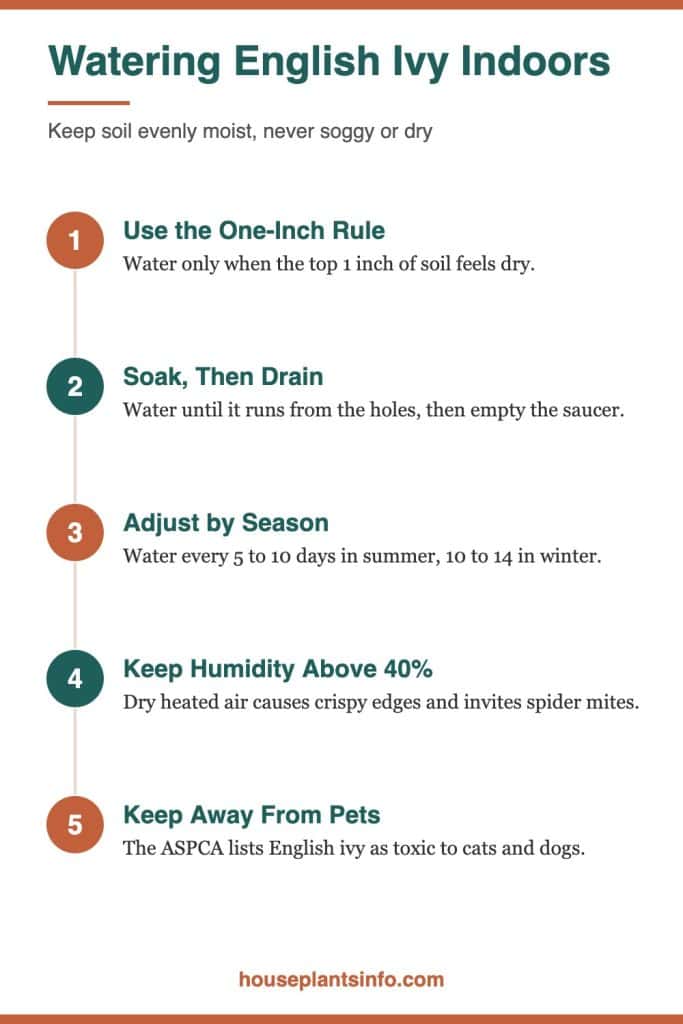
Water thoroughly when the top 1 inch of soil feels dry, which usually means every 5 to 10 days in spring and summer and every 10 to 14 days or longer in winter.
This guide covers how to check the soil, how seasons and indoor conditions change the schedule, how to read the warning signs, and how to handle humidity, cuttings, and vacations.
At a Glance
| Factor | What it needs |
|---|---|
| Light | Bright, indirect light; a few feet from an east or west window works well |
| Water | Water when the top 1 inch of soil is dry; soak, then drain fully |
| Humidity | 40% or higher; dry winter air invites spider mites |
| Temperature | 50 to 70°F is ideal; it prefers cooler rooms over warm ones |
| Soil | Loose, well-draining potting mix in a pot with drainage holes |
| Pet safety | Toxic to cats and dogs per the ASPCA |
| Difficulty | Easy to moderate; watering and dry air are the main challenges |
How Much Water Does English Ivy Need, Exactly?
English ivy needs enough water to moisten the entire root ball each time, followed by a short drying period at the surface. The amount per session matters less than the rhythm: soak thoroughly, let the top inch dry, then repeat.
The One-Inch Rule
Push your finger into the soil up to the first knuckle, which is roughly 1 inch. If it feels dry at that depth, water. If it still feels cool and slightly damp, wait a day or two and check again.
For deeper pots or hanging baskets you cannot easily reach, a soil moisture meter gives a quick reading at root level. Aim to water when the meter sits at the low end of its “moist” range rather than waiting for “dry.”
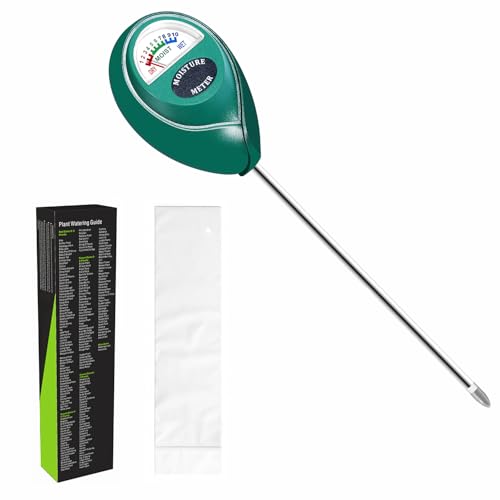
A plain wooden chopstick works too. Push it a few inches into the soil, leave it for a minute, and pull it out. Dark, damp wood or clinging soil means the plant does not need water yet.
How Much to Pour
Pour room-temperature water slowly over the whole soil surface until it runs freely from the drainage holes. For a 6-inch pot, that is often about 1 to 2 cups, but the visible runoff is the real signal, not the measurement.
After 10 to 15 minutes, empty the saucer or cachepot. Ivy roots sitting in standing water are the fastest route to root rot.
Why Ivy Is Fussier Than It Looks
Outdoors, English ivy is famously tough. Indoors, it is more sensitive because pots dry unevenly, heated air pulls moisture from the leaves, and roots have nowhere to escape soggy soil. Consistency is what keeps it happy.
How Often Should You Water English Ivy Indoors?
Most indoor English ivy needs water every 5 to 10 days during active growth and every 10 to 14 days, sometimes longer, in winter. Treat these as starting points and let the soil check make the final call.
Spring and Summer Growth
From roughly April through September, longer days and warmer rooms drive new growth. Ivy in bright light may need water as often as every 4 to 6 days, especially in small pots or hanging baskets.
If your apartment runs air conditioning, the air can stay dry even in summer. Check the soil twice a week during heat waves so the plant never fully dries out.
Fall and Winter Slowdown
As daylight shortens, ivy grows more slowly and uses less water. The soil may stay damp for a week or more, so stretch the interval rather than watering on a fixed day.
The tricky part is that radiators and forced-air heat can dry the top of the soil quickly while the lower root zone stays wet. Always check below the surface before watering in winter.
| Condition | Typical watering interval | What to watch |
|---|---|---|
| Summer, bright indirect light | Every 4 to 7 days | Soil drying fast in small pots |
| Summer, medium light | Every 6 to 10 days | Steady, even moisture |
| Winter, near a radiator or vent | Every 7 to 10 days | Crispy edges, spider mites |
| Winter, cool room, low light | Every 12 to 18 days | Soggy soil, yellow leaves |
| Hanging basket, any season | 1 to 3 days sooner than shelf plants | Rapid drying from moving air |
Sophia’s tip: Write the date on a small piece of tape stuck to the pot rim each time you water. After a few weeks you will see your plant’s real rhythm for each season, and you can stop guessing.
What Changes Your Ivy’s Water Needs?
Light, heat, pot type, soil, and plant size all shift how fast the soil dries. Two identical ivies in different rooms can need water on very different schedules.
Light and Window Direction
More light means more growth and faster drying. An ivy 2 to 3 feet from an east-facing window, or set back from a west window, will usually drink more than one in a dim north-facing room.
Plants under a grow light for 12 to 14 hours a day use water steadily year-round, so their winter slowdown is smaller. Check them on roughly the same schedule you use in summer.

Heat, Drafts, and Room Temperature
Ivy prefers cool conditions, ideally 50 to 70°F. Warm rooms above about 75°F speed up evaporation and stress the plant, so it may need more frequent watering and higher humidity.
Keep the plant at least a few feet from radiators, baseboard heaters, and forced-air vents. Cold drafts from leaky winter windows or AC vents can also cause leaf drop that looks like a watering problem.
Pot Material and Drainage
Terracotta is porous and wicks moisture out through its walls, so soil dries faster. Plastic and glazed ceramic hold moisture longer, which suits people who tend to underwater.
Whatever the material, the pot needs drainage holes. A decorative cachepot without holes is fine as an outer sleeve, as long as you lift the inner pot out to drain after watering.
Soil Mix
Dense, peat-heavy soil that stays wet for days is a common cause of root rot in ivy. A loose mix with added perlite or bark drains well while still holding enough moisture for the roots.
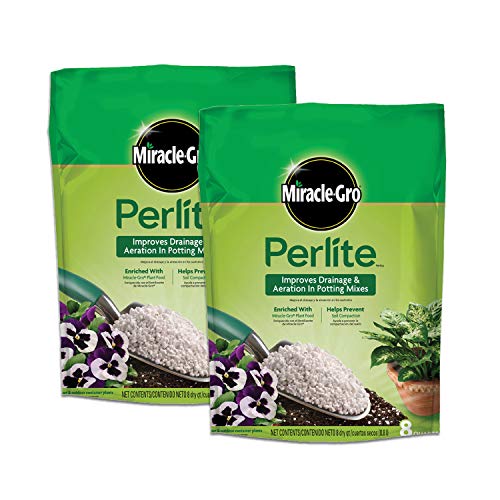
If you are repotting or suspect your mix is the problem, this guide on what type of soil for indoor English ivy walks through the best blends.
Plant Size and Root Density
A root-bound ivy with roots circling the pot will dry out in just a few days because there is little soil left to hold water.
If you find yourself watering every 2 to 3 days, check for roots poking from the drainage holes and consider moving up one pot size, about 1 to 2 inches wider.
How to Water English Ivy the Right Way
Water deeply and evenly, let the excess drain, and avoid leaving the plant wet for long periods. Technique matters as much as frequency.
Top Watering Step by Step
- Check that the top 1 inch of soil is dry.
- Use room-temperature water; cold water can shock roots in winter.
- Pour slowly around the whole surface, not just one spot, until water runs from the drainage holes.
- Wait 10 to 15 minutes, then empty the saucer.
- Return the plant to its spot, away from direct heat sources.
Bottom Watering for Even Moisture
Bottom watering works well for ivy with dense trailing growth that makes it hard to reach the soil. Set the pot in a few inches of water for 15 to 30 minutes, until the surface feels damp, then let it drain fully.
Because bottom watering does not flush the soil, top water thoroughly about once a month. This rinses out mineral and fertilizer salts that can build up and burn leaf edges.
Water Quality
Most tap water is fine for English ivy. If your tap water is heavily treated or hard, letting it sit out overnight in an open container brings it to room temperature, and using filtered or rainwater occasionally can reduce mineral crust on the soil.
Sophia’s tip: For ivy in a hanging basket, take it down to the sink or tub to water. Soak it until water drains freely, let it drip for 15 minutes, then hang it back up. You get a thorough watering without puddles on the floor.
Overwatering vs. Underwatering: How to Tell the Difference
Overwatered ivy usually shows yellowing, limp leaves and soil that stays wet, while underwatered ivy shows crispy, dry brown edges and soil that pulls away from the pot. Checking the soil confirms which problem you have.
| Symptom | Overwatering | Underwatering |
|---|---|---|
| Leaf color | Yellow, often starting on lower leaves | Brown, crispy edges and tips |
| Leaf texture | Soft, limp, droopy | Dry, papery, curling |
| Soil | Damp for a week or more, may smell sour | Dry, hard, shrinking from pot edges |
| Stems | Dark or mushy near the soil line | Thin, wilted, but firm |
| Pests | Fungus gnats around the soil | Spider mites in dry air |
Fixing Overwatered Ivy
Stop watering and let the top 1 to 2 inches dry fully. Move the plant to brighter, indirect light to help the soil dry, and make sure no water is pooling in the saucer.
If the soil smells sour or stems are mushy, slide the plant out and check the roots. Healthy roots are firm and pale; rotted ones are brown, soft, and fall apart. Trim the damaged roots with clean scissors and repot into fresh, well-draining mix.
Fixing Underwatered Ivy
Give the plant a thorough soak, or bottom water for 30 minutes if the soil has shrunk and water runs straight down the sides. Severely dry ivy often perks up within a day.
Trim leaves that are fully brown, since they will not recover. Then shorten your watering interval slightly and check the soil more often.
When the Problem Is Not Water
Brown or curling leaves can also come from low humidity, pests, too much direct sun, or fertilizer buildup. If watering adjustments do not help, this breakdown of English ivy leaves turning brown covers the other causes.
For leaves that roll or cup inward, see why you might have English ivy leaves curling.
Does English Ivy Need Humidity as Well as Water?
Yes. English ivy does best at 40% humidity or higher, and dry indoor air can cause crisp leaf edges and spider mite outbreaks even when your watering is perfect.
The Winter Air Problem
Heated apartment air in a cold climate often drops to 20 to 30% humidity. That is drier than ivy likes, and it pulls moisture from the leaves faster than the roots can replace it.
A small hygrometer near your plants shows the real number. If it reads below 40% for weeks at a time, raising humidity will help more than extra watering.
Ways to Raise Humidity
- Run a cool-mist humidifier in the room during heating season.
- Set the pot on a tray filled with pebbles and water, keeping the pot base above the waterline.
- Group plants together so they share the moisture they release.
- Keep ivy away from radiators, heat vents, and space heaters.
Misting adds moisture for only a few minutes and does little for overall humidity. It can also leave leaves damp in cool, still air, so a humidifier or pebble tray is a better choice.
Spider Mites and Dry Air
Spider mites thrive in warm, dry conditions and are the most common pest on indoor ivy. Look for fine webbing, tiny pale speckles on leaves, and a dull, dusty look.
Rinsing the foliage in the shower every few weeks with lukewarm water knocks mites off and cleans dust from the leaves. If you see webbing, isolate the plant and treat it promptly with insecticidal soap.
Watering Ivy in Special Situations
Cuttings, freshly repotted plants, vacations, and homes with pets each need a small adjustment. The basic rule stays the same: evenly moist, never waterlogged.
Cuttings Rooting in Water
Ivy cuttings root easily in a glass of water. Change the water every 3 to 5 days so it stays fresh and oxygenated, and keep the leaves above the waterline. If you want the full process, here is how to propagate English ivy in water.
When you move rooted cuttings to soil, keep the mix slightly more moist than usual for the first 2 to 3 weeks. Water roots need time to adjust to soil.
After Repotting
Water a freshly repotted ivy thoroughly so the soil settles around the roots, then let the top inch dry before watering again. A larger pot holds more water, so the interval often gets longer at first.
Before a Vacation
For a trip of a week or so, water thoroughly the day before you leave and move the plant a few feet farther from the window and away from heat. Lower light and cooler air slow drying.
For longer trips, a self-watering spike or a wick running from a water reservoir into the soil can keep moisture steady. Test the setup for a few days before you leave so you know it works.
Sophia’s tip: Before a winter trip, turn your thermostat down a few degrees if your building allows it. Ivy handles cooler rooms well, and the soil will stay moist noticeably longer.
Pet Safety
The ASPCA lists English ivy as toxic to dogs and cats. The leaves contain saponins that can cause vomiting, abdominal pain, drooling, and diarrhea, so place trailing vines well out of reach of pets and kids.
If you think your pet chewed on it, read my dog ate English ivy symptoms and what to do now and call your veterinarian.
Hanging baskets help, but trailing stems can grow down within reach. Trim vines regularly so they stay above the height a curious pet can grab.
Your Next Steps
- Check the soil today with your finger, a chopstick, or a moisture meter, and water only if the top 1 inch is dry.
- Confirm your pot has drainage holes and empty any saucer water 15 minutes after watering.
- Move the plant a few feet away from radiators, heat vents, and cold drafts.
- Place a hygrometer nearby and raise humidity if it stays below 40%.
- Track your watering dates for a month to learn your plant’s seasonal rhythm.
- Inspect leaves for spider mites every couple of weeks, especially in winter.
Common Questions About Watering English Ivy
Should I water English ivy every day?
No. Daily watering keeps the soil soggy and leads to root rot. Most indoor ivy needs water every 5 to 14 days, depending on season, light, and pot size.
Is it better to underwater or overwater English ivy?
Slight underwatering is easier to fix than overwatering. A dry ivy usually recovers after a thorough soak, while rotted roots may require trimming and repotting. The goal is still even moisture, so avoid letting it dry out completely.
Can English ivy grow in water permanently?
Ivy can survive in water for a long time, but it tends to grow better and live longer in soil. If you keep it in water, change the water every few days and add a very diluted liquid fertilizer occasionally.
Why does my ivy dry out so fast?
Fast drying usually points to a root-bound plant, a small or terracotta pot, bright light, or nearby heat sources. Check for roots circling the pot and consider repotting one size up. Moving the plant away from radiators also helps.
Should I water English ivy less in winter?
Yes, in most homes. Ivy grows more slowly with shorter days, so the soil stays moist longer. Keep checking the soil, though, because heated air can dry plants near vents faster than you expect.

Hi! I’m Sophia, and I love plants – especially an expert in growing house plants. I stay in Chicago, United States of America, and through my blog and social media platforms, provide tips and tricks on how to grow healthy, vibrant plants indoors. Check out more here.