
You look at the sago palm by your window and notice a white, crusty or fuzzy coating spreading across the stiff green leaflets.
Learning how to stop sago palm leaves from turning white starts with figuring out what that white material actually is, because the fix depends on the cause.
The short version: Most white coatings on indoor sago palms are cycad scale, a tiny armored insect that can kill the plant if ignored.
Scrub off what you can, prune the worst fronds, and spray every exposed surface with horticultural oil every 7 to 10 days until no live insects remain. Less often, the white comes from mealybugs, sunscald, mineral residue, or spider mites.
This guide covers how to identify each cause, how to treat it indoors, and how to keep the problem from coming back.
Check These First
- Scrape a white spot with your fingernail. If it flakes off and leaves an orange or yellow smear, you are dealing with scale insects.
- Look for cottony fluff tucked where leaflets meet the stem or deep in the crown. That points to mealybugs.
- Ask whether you recently moved the plant closer to a bright window or outdoors. Bleached, papery patches usually mean sunscald.
- Wipe a spot with a damp cloth. If it rubs off cleanly and looks chalky, it is likely hard water or spray residue.
- Check the undersides of leaflets for fine webbing and tiny pale specks, which signal spider mites.
Is It Scale? How to Identify White Crust on a Sago Palm
If the white coating looks like flaky dandruff or a dusting of salt that does not wipe away, it is almost certainly scale. Cycad scale is the most common and most serious cause of white leaves on sago palms.
What the Coating Looks Like Up Close
A magnifying glass or a phone camera on zoom makes identification much easier. Female cycad scales are tiny, roughly pear-shaped white shells about 1/16 inch long.
Males are even smaller, narrow, and white, and they cluster in dense masses that look like a layer of frost.
Under each shell, the live insect is usually orange or yellowish. When you scrape a crusted area with a fingernail or a soft toothbrush and see orange smudges, you have confirmed live scale rather than dead shells or mineral deposits.
Where Scale Hides on the Plant
Scale usually starts on the undersides of the leaflets, where you are least likely to look. As the population grows, it spreads to the upper surfaces, the leaf stems, the trunk, and even the roots near the soil line.
Heavy infestations turn entire fronds grayish white. Underneath the crust, the leaflets yellow and then brown because the insects are sucking sap from the tissue.
Why It Matters So Much
Cycad scale reproduces quickly and builds up layer upon layer. Dead shells stay stuck to the leaf, so a frond can look white long after the insects on it have died.
Left untreated, a severe infestation can drain a sago palm until it stops producing healthy new fronds. That is why early action makes such a difference.
Cycad Scale: How to Stop Sago Palm Leaves From Turning White
To stop sago palm leaves from turning white from scale, combine physical removal with repeated oil sprays. One treatment is never enough, because eggs and crawlers hidden under old shells keep hatching for weeks.
Isolate and Prune First
Move the sago palm away from your other plants right away. Crawlers, the mobile young stage, can travel on air currents from a fan, on your hands, or on pets brushing past.
Cut off fronds that are mostly white or yellow at the base of the stem with clean pruners. Bag them and put them in the trash, not a compost bin. Removing the worst fronds takes away a large share of the population immediately.
Scrub What Remains
On fronds you want to keep, gently scrub the leaflets with a soft toothbrush dipped in soapy water. Work from the base of each leaflet toward the tip, and support the frond with your other hand so it does not snap.
Cotton swabs dipped in rubbing alcohol are useful for the leaf stems and the crown. Test alcohol on one leaflet first and wait a day to make sure it does not cause damage.
Sophia’s tip: Set the pot in a bathtub or shower before you scrub and spray. Lay the pot on its side and rinse the undersides of the fronds with lukewarm water, which removes loose shells and makes your oil spray reach the live insects underneath.
Spray With Horticultural Oil on a Schedule
Horticultural oil smothers scale insects and crawlers. Mix it according to the label, then coat both sides of every leaflet, the stems, and the trunk until they drip.
Repeat every 7 to 10 days for at least 4 to 6 applications. Spray in the evening or out of direct sun, and avoid spraying when indoor temperatures are above about 90°F, since oil can burn foliage in heat.
Insecticidal soap is a gentler alternative but must contact the insects directly and tends to be less effective against heavy armored scale.
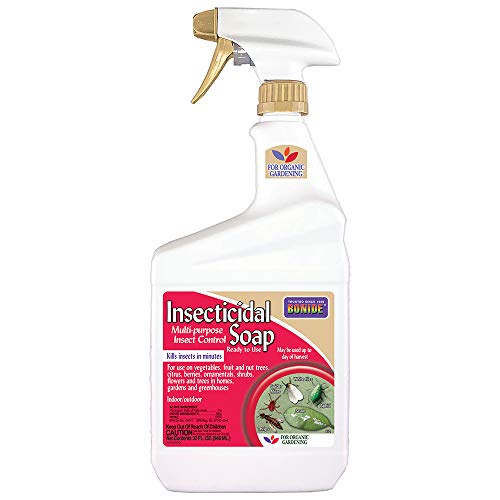
Systemic insecticides exist, but many are labeled for outdoor use only, so read the label carefully before bringing any product indoors around pets and children.
How to Tell When It Is Working
Dead scale shells stay on the leaf, so the white will not disappear on its own. Scrape a few spots each week. If you see dry, flat, gray or brown material instead of orange smears, the treatment is working.
The true sign of recovery is a clean new flush of fronds. Keep inspecting that new growth closely, since crawlers love soft young leaflets.
| Treatment Step | How Often | What It Does |
|---|---|---|
| Prune heavily coated fronds | Once, at the start | Removes most of the population |
| Scrub with soapy water | Once, then as needed | Dislodges shells and crawlers |
| Rubbing alcohol on swabs | Spot treatment | Kills insects in tight spots |
| Horticultural oil spray | Every 7 to 10 days, 4 to 6 times | Smothers live scale and crawlers |
| Weekly inspection | Ongoing for 2 to 3 months | Catches survivors early |
Mealybugs: Cottony White Fluff and the Fix
If the white material looks soft, waxy, and cottony rather than crusty, mealybugs are the likely culprit. They prefer protected spots, so check the crown, the bases of leaflets, and the folds of emerging fronds.
Signs You Are Seeing Mealybugs
Mealybugs are oval, about 1/8 inch long, and covered in white wax. Unlike scale, they can move slowly. You may also notice sticky honeydew on the leaves or on furniture under the plant, sometimes followed by black sooty mold.
Root mealybugs can hide in the soil. If the plant is declining with no visible pests, slide it out of the pot and look for white, cottony patches on the roots and the inside of the pot.
Getting Rid of Them
Dab each visible mealybug with a cotton swab dipped in rubbing alcohol. For larger groups, rinse the plant in the shower, then spray with insecticidal soap or horticultural oil every 7 days for at least a month.
For root mealybugs, remove the old soil, rinse the roots, and repot in fresh, fast-draining cactus or palm mix in a cleaned pot. Discard the old soil.
Sunscald and Bleaching: Light Change and the Fix
Pale, whitish, or papery patches that appear soon after a move to brighter light are usually sunscald. The damage is permanent on affected leaflets, but the plant recovers with new growth.
Why Indoor Sago Palms Get Bleached
Sago palms grown indoors adapt to lower light. A sudden move to a hot south or west window, especially with the leaves pressed against the glass, can bleach the tissue. Moving the plant outdoors in spring without a gradual adjustment causes the same problem.
Bleached areas look flat and dull rather than crusty. They do not scrape off, and there is no orange smear underneath.
Fixing and Preventing Sun Damage
Pull the plant 2 to 3 feet back from a south or west window, or add a sheer curtain to filter afternoon sun. East windows are a reliable choice in most apartments, and bright north light works well in summer.
If you move the plant outdoors for summer, start in shade and add an hour or two of morning sun every few days over 2 weeks. Trim fully bleached leaflets only if they bother you, since partly green leaves still feed the plant.
Sophia’s tip: In winter, a full-spectrum grow light placed about 12 to 18 inches above the crown for 10 to 12 hours a day keeps a sago palm steady without the scorching that comes from shoving it against cold, bright glass.

Hard Water and Spray Residue: Mineral Spots and the Fix
Chalky white spots that wipe off easily are usually mineral deposits from hard tap water or dried spray residue. They are cosmetic, but a heavy layer can reduce the light reaching the leaves.
Where the Residue Comes From
Misting with hard tap water leaves calcium and magnesium behind as the droplets evaporate. Dried insecticidal soap, oil sprays, and leaf shine products can also leave a dull film, especially on the glossy upper surfaces of the leaflets.
White crust on the soil surface or the outside of a terra cotta pot is also mineral and fertilizer salt buildup. That buildup can stress the roots over time.

Cleaning It Up
Wipe the leaflets with a soft cloth dampened with distilled water or rainwater. For stubborn spots, a cloth dampened with a weak mix of water and a little white vinegar works, followed by a plain water wipe.
Skip misting altogether, since sago palms tolerate normal household humidity well. Every few months, flush the pot by running water through the soil until it drains freely for a minute to wash out excess salts.
Spider Mites: Pale Stippling and the Fix
If leaflets look dusty, faded, or speckled with tiny pale dots, spider mites may be feeding on them. They thrive in the hot, dry air created by radiators and forced-air heat in winter.
Confirming Spider Mites
Hold a sheet of white paper under a frond and tap it. Tiny moving specks that smear when you wipe them are mites. Fine webbing between leaflets and along the stems confirms a larger population.
The damage starts as stippling, then spreads until the leaflet looks washed out and grayish. Over time, affected tissue may yellow or brown.
Knocking Them Back
Rinse the plant thoroughly in the shower, focusing on the undersides of the leaflets. Follow with insecticidal soap or horticultural oil every 5 to 7 days for 3 to 4 weeks, since mites breed quickly in warm rooms.
Move the plant away from heat vents and radiators. A room humidifier that keeps humidity around 40 to 50 percent helps discourage mites without the residue problems of misting.
Is Some White on a Sago Palm Normal?
Yes. Not every white or pale area is a problem. New fronds, the crown, and the trunk can show soft fuzz and pale color that is part of healthy growth.
Fuzzy New Growth
When a sago palm pushes a new flush, the emerging fronds are soft, light green, and often covered in fine tan or whitish hairs. The crown can also look woolly. This fuzz is natural and fades as the leaflets harden over several weeks.
Do not handle new fronds while they are soft and unfurling. They bend easily, and any kink becomes permanent once the leaves harden.
Telling Normal Fuzz From Pests
Normal fuzz is soft, evenly distributed, and limited to new growth or the crown. Scale is crusty and spreads unevenly across mature leaflets, especially on the undersides. Mealybugs are clumped, waxy, and may move.
When in doubt, scrape gently. Natural fuzz leaves no colored smear and causes no yellowing beneath it.
| What You See | Texture | Location | Likely Cause |
|---|---|---|---|
| Flaky white crust, orange smear when scraped | Hard, crusty | Leaflet undersides, then everywhere | Cycad scale |
| Cottony white clumps | Soft, waxy | Crown, leaf bases, roots | Mealybugs |
| Papery pale patches | Flat, dry | Upper leaflets facing the window | Sunscald |
| Chalky spots that wipe off | Powdery | Upper surfaces | Mineral or spray residue |
| Faded speckles with webbing | Dusty | Undersides | Spider mites |
| Soft tan or white fuzz | Fine hairs | New fronds, crown | Normal growth |
How to Keep Sago Palm Leaves Green Long Term
A healthy, unstressed sago palm resists pests better and recovers faster. Good light, careful watering, and regular inspections do most of the work.
Light, Water, and Soil
Give your sago palm bright, indirect light with some gentle direct sun, such as an east window or a few feet back from a south window. Rotate the pot a quarter turn every couple of weeks so the crown grows evenly.
Water only when the top 2 to 3 inches of soil are dry, which may be every 1 to 2 weeks in summer and every 3 to 4 weeks in winter.
Use a fast-draining cactus or palm mix in a pot with drainage holes. Soggy soil leads to root rot, which often shows up as yellowing first.
Temperature and Humidity
Sago palms are comfortable indoors between about 60°F and 80°F. Keep them away from cold drafts near leaky windows in a Chicago winter and out of the direct blast of AC vents in summer.
Average household humidity is fine. Just avoid parking the plant beside a radiator, where hot, dry air invites spider mites.
Feeding Without Overdoing It
Feed with a slow-release palm fertilizer or a diluted balanced fertilizer during spring and summer only. Palm formulas that include magnesium and manganese help prevent pale, frizzled new fronds caused by nutrient deficiencies.
If your plant shows other color changes, the guides on sago palm leaves turning brown and this sago palm turning yellow guide walk through those causes.
Many of the same principles apply to other cycads, as covered in the article on cycad palm leaves turning yellow.
Stop Pests at the Door
Inspect any new plant closely, especially the undersides of leaves, before it joins your collection. Keep newcomers in a separate room for 2 to 3 weeks if you can.
Sophia’s tip: Make the undersides of your sago palm fronds part of your watering routine. Flip two or three fronds each time you water and look closely; catching five scale insects is far easier than treating five thousand.
A Note on Pet Safety
The ASPCA lists the sago palm as toxic to dogs, cats, and horses. Every part of the plant contains cycasin, which can cause vomiting, liver failure, and death, and the seeds are the most toxic part.
Read more about sago palm leaves poisonous to dogs, and keep the plant well out of reach of pets and kids, including any trimmed fronds from your scale treatment.
If you also grow a ponytail palm, which is not a true palm or a cycad, its white patches have different causes, explained in this article on a ponytail palm turning white.
Your Next Steps
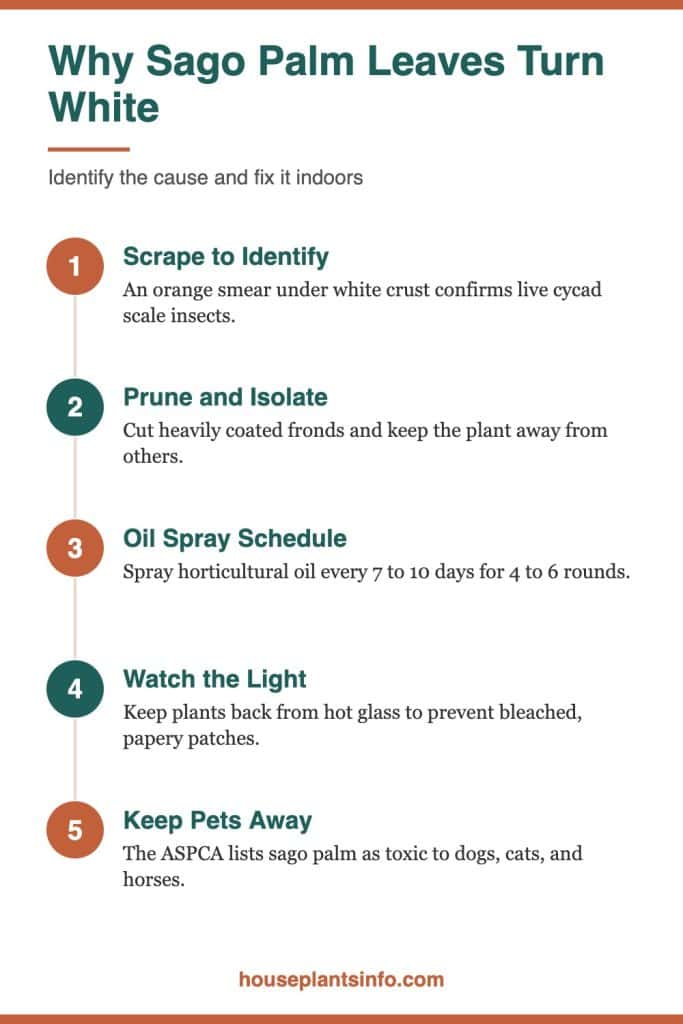
- Scrape a white spot today to confirm whether it is scale, mealybugs, residue, or normal fuzz.
- Isolate the plant and cut off any fronds that are mostly white or yellow.
- Scrub the remaining leaflets, then spray with horticultural oil every 7 to 10 days for at least 4 to 6 rounds.
- Move the pot away from radiators, heat vents, and hot glass, and settle it in bright, filtered light.
- Switch to watering only when the top 2 to 3 inches of soil are dry, and stop misting with tap water.
- Check the undersides of a few fronds every time you water for the next 3 months.
Common Questions About Sago Palm Leaves Turning White
Will white sago palm leaves turn green again?
Leaflets damaged by scale, sunscald, or mites will not regain their full green color. Mineral and spray residue can be wiped off, revealing healthy green tissue underneath. Focus on protecting the next flush of fronds.
Can I just wash the white scale off with water?
Water rinses loose shells and some crawlers away, but it will not kill the insects firmly attached under their armor. You need to follow rinsing with scrubbing and repeated horticultural oil sprays. Stopping after one wash almost always leads to a rebound.
Should I cut off all the white fronds?
Remove fronds that are mostly covered or yellowing, since they offer little to the plant and harbor large populations. Keep fronds that are still mostly green and treat them. Never strip a sago palm of all its leaves, because it needs some foliage to recover.
How long does it take to get rid of cycad scale indoors?
Expect at least 6 to 8 weeks of steady treatment, and keep inspecting for another month after that. Eggs and crawlers hidden under old shells keep emerging, so consistency matters more than strength of spray. A clean new flush is the best sign you have won.
Can cycad scale spread to my other houseplants?
Cycad scale strongly prefers cycads, so other common houseplants are rarely its main targets. Other scale species and mealybugs, however, spread easily between many plants. Isolating the sago palm during treatment protects the rest of your collection.

Hi! I’m Sophia, and I love plants – especially an expert in growing house plants. I stay in Chicago, United States of America, and through my blog and social media platforms, provide tips and tricks on how to grow healthy, vibrant plants indoors. Check out more here.