
You notice clear beads hanging from the leaf tips of your pothos, or a sticky film on the windowsill under your ficus, and you wonder what the plant is trying to tell you.
If you are asking “why is my house plant oozing liquid,” the answer depends on what the liquid looks like, feels like, and where it shows up.
The short version: Clear, watery drops on leaf tips or edges are usually guttation, a harmless release of excess water that happens when the soil stays wet. Sticky drops usually mean sap-sucking pests or natural nectar.
Milky sap comes from wounds, and brown, smelly ooze points to rot.
This guide walks you through identifying the liquid, matching it to its cause, and fixing each one indoors.
Check These First
- Touch the liquid. Watery and clean points to guttation, sticky points to pests or nectar, milky points to sap, slimy points to rot.
- Look at the undersides of leaves and along the stems for small bumps, white fuzz, or tiny moving insects.
- Push a finger 2 inches into the soil. If it feels soggy days after watering, water is the likely driver.
- Smell the base of the stem and the soil. A sour or rotten odor is a warning sign.
- Check the floor or saucer. Liquid that appears there may be coming from the pot, not the plant.
What Is the Liquid? How to Identify It Fast
Most oozing falls into one of five types, and you can sort it in a few minutes by color, texture, and location. Once you know the type, the fix is usually simple.
Blot the liquid with a white paper towel so you can see its true color. A hand lens or magnifying glass makes it much easier to spot scale insects or mealybugs hiding near the drops.
If you suspect watering, a soil moisture meter pushed down to the root zone tells you more than the dry top inch ever will.
| What you see | Texture | Likely cause | Concern level |
|---|---|---|---|
| Clear drops on leaf tips or edges, mostly in the morning | Watery, not sticky | Guttation | Low |
| Shiny, sticky film on leaves, furniture, or floor | Sticky, tacky | Honeydew from pests | Medium to high |
| Sweet drops on flowers, buds, or leaf stems, no pests | Sticky, sugary | Nectar from nectaries | Low |
| White or milky liquid from a cut or break | Thick, may dry rubbery | Latex sap from a wound | Low for the plant |
| Brown, yellow, or slimy ooze at the stem base | Slimy, often smelly | Bacterial or fungal rot | High |
| Water or brown liquid on the saucer or floor | Watery | Drainage, tannins, or fertilizer runoff | Low |
Timing Clues
Guttation tends to appear overnight and early in the morning, then dries during the day. Honeydew builds up steadily and spreads. Rot ooze gets worse over days and often comes with yellowing or collapse.
Location Clues
Drops right at the leaf tip or along leaf margins are almost always guttation. Residue on the top surface of lower leaves usually falls from pests feeding above. Ooze at soil level is the one to take most seriously.
Why Is My House Plant Oozing Liquid From Its Leaf Tips?
Clear water drops at leaf tips are guttation, a natural process where the plant pushes out excess water through tiny pores called hydathodes. It is common in healthy plants and is not a disease.
Guttation happens when the roots keep absorbing water but the leaves are not losing much through normal evaporation. Root pressure builds up and forces water out at the leaf edges.
This is why you see it most at night and in the morning, when the plant transpires less.
Plants That Do This Most
Pothos, philodendrons, monstera, peace lilies, alocasia, dieffenbachia, and many grasses guttate readily. Some alocasias can drip enough to leave small puddles on a shelf. Tomato seedlings and other fast-growing plants under grow lights do it too.

Indoor Conditions That Trigger It
- Watering in the evening, so the soil is fully wet overnight.
- Heavy soil that stays soggy for days.
- High humidity from a humidifier, a bathroom, or a grouped plant shelf.
- Cool nights, such as a plant 6 inches from a cold window in a Chicago winter.
The Fix
Guttation itself needs no treatment. If it bothers you, let the top 1 to 2 inches of soil dry before watering again, and water in the morning instead of at night.
Make sure the pot has a drainage hole and empty the saucer within 30 minutes.
Guttation fluid carries dissolved minerals and fertilizer salts. When drops dry repeatedly, they can leave a white crust or brown, crispy leaf tips. Flushing the soil every few months with plain water helps, and wiping crusty leaves with a damp cloth keeps them clean.
Sophia’s tip: If your plant guttates heavily and the soil stays wet for more than 5 to 7 days, mix about one part perlite into every two or three parts potting mix at the next repotting. Faster drainage usually cuts the dripping down noticeably.
When Guttation Signals a Bigger Problem
Occasional drops are fine. Constant dripping alongside yellow lower leaves, mushy stems, or a sour smell means the roots are sitting in too much water. In that case, skip ahead to the rot section and check the roots.
Sticky Leaves and Furniture: Sap-Sucking Pests and the Fix
A sticky, shiny coating on leaves, the windowsill, or the floor beneath a plant is usually honeydew. Sap-feeding insects excrete this sugary liquid as they drink from the plant.
The most common culprits indoors are scale, mealybugs, aphids, and whiteflies. Soft scale on ficus, citrus, hoya, and schefflera is a classic source of honeydew that drips onto lower leaves and nearby surfaces. Spider mites cause damage too, but they do not produce much honeydew.

How to Find the Insects
- Scale: small brown, tan, or gray bumps on stems and along leaf veins that scrape off with a fingernail.
- Mealybugs: white, cottony clusters in leaf joints, under leaves, and sometimes on roots.
- Aphids: tiny green, black, or yellow soft insects clustered on new growth.
- Whiteflies: tiny white insects that flutter up when you brush the plant.
Ants trailing to a plant are another clue, since they farm honeydew. Over time, a black, sooty mold can grow on the sticky film. It wipes off but blocks light from reaching the leaf.
The Treatment Plan
Move the plant away from others right away. Wipe off visible insects with a cotton swab dipped in 70% isopropyl alcohol, testing a small area first on delicate leaves.
Then wash the leaves and stems with lukewarm water and a soft cloth to remove honeydew and sooty mold.
Follow up with insecticidal soap or horticultural oil, coating the undersides of leaves and every stem joint. Repeat every 5 to 7 days for at least 3 to 4 weeks, because eggs and crawlers hatch in waves.
Keep treated plants out of direct sun until the spray dries.
What Not to Use Indoors
Garden dusts and broad outdoor pesticides are a poor match for an apartment with pets, kids, and closed windows. If you have been considering one, read why I’d skip Sevin dust on houseplants indoors before reaching for it.
Sophia’s tip: Check for scale in winter, when forced-air heat dries the air and plants near radiators get stressed. Run your fingertip along the stems of ficus and citrus every couple of weeks; bumps you can scrape off are worth treating early.
Keeping Pests From Coming Back
Inspect new plants for two to three weeks before placing them with your collection. Look under leaves when you water. Strong, healthy plants in good light recover faster, so avoid leaving them in dim corners for long.
Sweet Drops With No Pests: Natural Nectar
If you see sticky, sweet drops but no insects anywhere, the plant may be producing nectar on purpose. This is normal and harmless.
Flower Nectar
Hoyas are famous for this. Their star-shaped flower clusters often drip clear nectar, sometimes enough to spot a table or floor below. Leave the old flower stalks (peduncles) in place, since hoyas rebloom from the same spurs.
Extrafloral Nectaries
Some plants have nectar glands outside the flowers, on leaf stems, leaf bases, or new growth. Certain philodendrons, monsteras, and some other aroids release sugary drops from these spots, often on new leaves as they unfurl. Outdoors, this nectar attracts ants that defend the plant.
How to Tell Nectar From Honeydew
Nectar appears at specific points, such as flowers, buds, or leaf joints, rather than coating whole leaf surfaces. There are no insects present, and the residue does not spread as you watch over a week.
Honeydew, by contrast, keeps building and usually comes with visible pests.
The Fix
No treatment is needed. Wipe drops off with a damp cloth so they do not attract fruit flies or ants, and place a tray or mat under blooming hoyas. Keep sugary residue off wood furniture, where it can leave marks.
Milky or Gummy Sap: Wounds, Pruning, and Latex
White, milky liquid that appears from a cut, a snapped leaf, or a bumped stem is latex sap. The plant uses it to seal wounds, and it is not a sign of disease.
Plants in the fig and spurge families produce it most. Rubber plants, fiddle leaf figs, weeping figs, euphorbias such as pencil cactus and crown of thorns, and poinsettias all bleed white sap when damaged.
Many of these are also among the longest living houseplants you can add to your collection, so you will likely prune them for years.
Why It Matters for You
Latex sap can irritate skin and eyes, especially from euphorbias. Wear gloves when pruning, keep your hands away from your face, and wash up with soap and water afterward. Protect floors and furniture, since the sap dries sticky and can stain.
How to Stop the Bleeding
- Make clean cuts with sharp, clean pruners just above a node.
- Press a damp paper towel to the cut for a minute or two.
- Rinse euphorbia cuts with lukewarm water to help the latex clot.
- Let the wound seal naturally; do not apply paint or sealant.
Unexplained Sap
If sap appears without any obvious damage, look for a hidden wound. Pets chewing, a door bumping the plant, or a stem rubbing against a window frame can all cause small breaks.
Repeated bleeding from the same spot with dark, sunken tissue around it may indicate a canker or rot instead.
Pet Safety
Many sap-producing plants are toxic to pets. According to the ASPCA, rubber plant (Ficus elastica) and weeping fig are toxic to cats and dogs, and poinsettia is listed as toxic, usually causing mild mouth and stomach irritation.
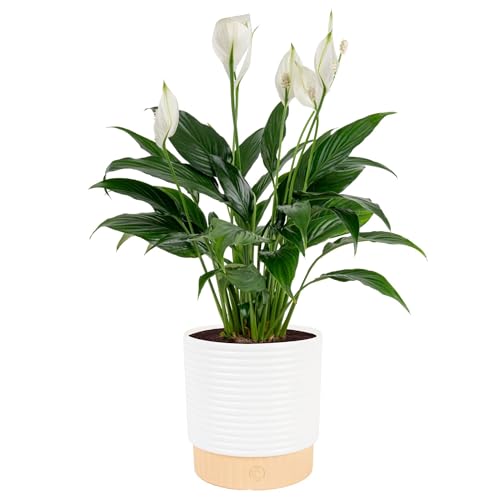
Pothos, peace lily, and monstera, all heavy guttators, are also listed as toxic to cats and dogs, while hoya (wax plant) is listed as non-toxic.
Guttation drops from toxic plants are generally not considered a major hazard, but it is sensible to keep pets from licking leaves or drinking from saucers under them. If your pet chews a toxic plant, contact your veterinarian or the ASPCA Animal Poison Control Center.
Brown, Slimy, or Smelly Ooze: Rot and Overwatering
Dark, slimy liquid at the stem base, on soft leaves, or in the soil usually means bacterial or fungal rot. This is the one type of oozing that needs action right away.
Rot develops when roots and stems sit in wet, airless soil for too long. Bacterial soft rot can turn stems mushy and give off a strong, unpleasant smell.
Fungal root rot turns roots brown and soft, and the plant above often wilts even though the soil is wet.
Signs That Point to Rot
- Sour, rotten, or swampy smell from the soil or stem.
- Stem base that feels soft, dark, or water-soaked.
- Yellowing lower leaves and wilting despite moist soil.
- Leaves with dark, wet-looking patches that spread.
- Fungus gnats hovering, or small white larvae in the soil.
Those soil larvae are common in constantly wet mix. If you see them, this guide to white worms in house plant soil, what they are and how to get rid of them helps you sort fungus gnats from harmless soil creatures.
How to Save the Plant
Slide the plant out of its pot and look at the roots. Healthy roots are firm and white, tan, or orange depending on the plant. Rotten roots are brown or black, mushy, and slip apart when you pull them gently.
Trim away all soft, dark roots and stems with clean, sharp pruners, wiping the blades with rubbing alcohol between cuts. Repot into fresh, well-draining mix in a clean pot with a drainage hole.
Choose a pot only 1 to 2 inches wider than the remaining root ball.
Water lightly, then wait until the top 1 to 2 inches of soil dries before watering again. Keep the plant in bright, indirect light and away from cold drafts while it recovers.
When to Take Cuttings Instead
If the main stem is mushy all the way through, the root system may be too far gone. Cut healthy stem sections above the rot and root them in water or fresh mix. Pothos, philodendrons, and many other common houseplants root easily this way.
Edema Can Look Similar
Edema, also spelled oedema, causes small blisters or corky bumps on leaf undersides when roots take up water faster than leaves can use it. The blisters can burst and look wet before turning brown.
It is common in houseplants with thick leaves such as peperomia, jade, and succulents, and the fix is the same: less frequent watering and better light.
Liquid Leaking From the Pot, Not the Plant
Sometimes the liquid on your floor or shelf has nothing to do with the plant itself. Water, brown runoff, or damp rings often come from the pot or saucer.
Brown or Tea-Colored Runoff
Brown water flowing from the drainage hole is usually tannins from peat, bark, or compost in the potting mix. It is harmless and fades over several waterings. Very dark runoff with a bad smell, however, can come from decomposing roots.
Sweating and Seeping Pots
Unglazed terracotta absorbs water and can leave damp rings on wood. A cold glass of water effect can also happen when a cool, wet pot sits in a warm room, creating condensation on the outside. Put a cork mat or a waterproof saucer underneath.
Overflowing Saucers and Cachepots
Decorative pots without holes hide standing water that can overflow or rot roots. Keep plants in a nursery pot with drainage inside the cachepot, and pour out excess water after each watering. Check the bottom of the cachepot weekly at first.
White Crust and Salty Drips
White, crusty deposits around the pot rim or drainage hole are mineral and fertilizer salts. Flush the soil by running plain water through the pot for a minute, letting it drain fully.
Doing this every 2 to 3 months helps, especially if you fertilize often or use hard tap water.
Sophia’s tip: Before you blame the plant, place a dry paper towel under the pot overnight. A wet ring by morning means the pot or saucer is leaking, while a spotless towel and drops on the leaves point back to the plant.
Choosing Easier Plants
If constant dripping or sticky messes near your furniture wear on you, some plants are simply lower maintenance. This list of the best indoor plants to buy, picked by light, pets, and effort can help you match plants to your space and patience.
Your Next Steps
- Blot the liquid with a white paper towel and note its color, texture, and location.
- Check the undersides of leaves and stem joints with a magnifying glass for scale, mealybugs, or aphids.
- Test soil moisture 2 inches down and shift watering to mornings if the soil stays wet.
- Treat any pests with alcohol swabs and insecticidal soap every 5 to 7 days for 3 to 4 weeks.
- Unpot and inspect the roots if you notice a sour smell, mushy stems, or brown ooze.
- Place mats or saucers under drippy plants and keep pets away from toxic species.
Common Questions About House Plants Oozing Liquid
Is guttation bad for my plant?
No, guttation is a natural process and does not harm the plant. It simply means the roots are taking up more water than the leaves release. Frequent heavy guttation can hint that the soil stays too wet, so adjust watering if it never stops.
Why are my plant’s leaves sticky but I can’t see any bugs?
Scale insects often look like part of the stem, so check closely with a magnifying glass along stems and leaf veins. If there are truly no insects, the plant may be producing nectar from flowers or extrafloral nectaries. Nectar appears at specific spots, while honeydew coats whole leaf surfaces.
Should I wipe off the drops on my plant’s leaves?
You can wipe them off with a soft, damp cloth, and it is a good idea if they leave white mineral crust or sticky residue. Clean leaves absorb light better and stay healthier. Wiping off guttation does not affect the plant either way.
Can the liquid from my houseplant hurt my pet?
It depends on the plant. Milky sap from toxic plants like ficus and euphorbias can irritate a pet’s mouth and skin, and the ASPCA lists pothos, peace lily, and monstera as toxic to cats and dogs. Keep pets from chewing leaves or drinking from saucers, and call your veterinarian if exposure occurs.
Why does my plant drip water at night?
At night, plants transpire much less, but roots keep absorbing water from moist soil. The resulting root pressure pushes excess water out of the leaf tips as guttation. Watering in the morning and letting the topsoil dry slightly usually reduces nighttime dripping.

Hi! I’m Sophia, and I love plants – especially an expert in growing house plants. I stay in Chicago, United States of America, and through my blog and social media platforms, provide tips and tricks on how to grow healthy, vibrant plants indoors. Check out more here.