
A row of small cacti lines your sunny windowsill, and you’re wondering whether they’re quietly cleaning the air in your apartment or just looking good.
People often ask whether cactus plants are good for air quality, and the honest answer is more nuanced than most plant tags suggest.
The short version: Cacti are not effective air purifiers in a real home. Like all plants, they absorb a small amount of carbon dioxide and trace chemicals, but the effect is far too small to measure against normal ventilation.
Their real value is low-maintenance greenery, and good care keeps them from making the air worse.
This guide covers what pollutes indoor air, how cacti breathe, the myths, which varieties fit indoor life, and what actually improves the air you breathe.
At a Glance
| Factor | What it needs |
|---|---|
| Light | 4 to 6 hours of direct sun, or a grow light for 12 to 14 hours |
| Water | Every 2 to 4 weeks in spring and summer, every 4 to 8 weeks in winter |
| Humidity | Low; normal dry indoor air of 20 to 40% is fine |
| Temperature | 65 to 85°F while growing, 45 to 60°F for a winter rest |
| Soil | Fast-draining cactus mix with added perlite or pumice |
| Pet safety | Spines injure pets; Christmas cactus is listed non-toxic by the ASPCA |
| Difficulty | Easy, as long as you avoid overwatering |
What Makes Indoor Air Poor in the First Place?
Indoor air quality suffers mainly from poor ventilation, combustion, chemical off-gassing, moisture and fine particles. The EPA notes that indoor levels of some pollutants can run 2 to 5 times higher than outdoor levels.
The usual sources in an apartment
- Volatile organic compounds (VOCs) from paint, new furniture, cleaning sprays, air fresheners and scented candles
- Fine particles from cooking, especially frying and searing on a gas stove
- Nitrogen dioxide and carbon monoxide from gas ranges and poorly vented appliances
- Excess moisture that feeds mold in bathrooms, closets and window frames
- Dust, pet dander and pollen carried in on clothes and shoes
- Carbon dioxide that builds up in closed bedrooms and home offices
Why winter makes it worse
In cold climates, windows stay shut for months and forced-air heat recirculates the same air. Radiators and furnaces also dry the air, which irritates eyes and sinuses even when pollutant levels are modest.
If you want to know what’s happening in your rooms, a CO2 monitor placed at desk height tells you when a space needs fresh air. Levels creeping above 1,000 ppm usually mean the room is stuffy and under-ventilated.
For particles and dust, a portable air purifier with a HEPA filter, sized to the room’s square footage, does far more than any plant. Running it on low in the bedroom overnight is a practical habit.
Sophia’s tip: Run your range hood every time you cook, and keep it on for 10 to 15 minutes afterward. If it vents back into the room, crack a nearby window an inch while the burners are on.
Are Cactus Good for Air Quality in a Real Home?
Not in any meaningful way. A few cacti on a shelf cannot measurably change the air in a room that exchanges its air through doors, vents and gaps many times a day.
Where the air-purifying idea came from
The belief traces back to sealed-chamber experiments from the late 1980s. Researchers placed plants in small airtight containers dosed with chemicals like benzene and formaldehyde, and the levels dropped over hours.
Those results were real, but the setup was nothing like a home. Much of the removal came from microbes in the potting soil, and the chambers were tiny compared to a living room.
What later analysis found
When scientists later compared those chamber results to real buildings, they found normal air exchange removes VOCs far faster than plants. Estimates suggest you’d need from roughly one to nearly a hundred plants per square foot of floor space to match basic ventilation.
That is a jungle, not a decorated apartment. Opening a window for 10 minutes does more than a dozen cacti working all week.
What cacti do contribute
Cacti still do some good. They absorb a little carbon dioxide, they’re calming to look at, and greenery near a desk tends to make a space feel more pleasant to work in.
They also play a much bigger role outdoors, where wild cacti stabilize desert soil and support pollinators. If that side interests you, read about how cactus are good for the environment in their native habitats.
How Do Cacti Breathe Differently From Other Houseplants?
Cacti use a water-saving process called CAM photosynthesis. They open their pores at night to take in carbon dioxide, then close them during the day to avoid losing water.
The CAM cycle in plain terms
At night, a cactus absorbs carbon dioxide and stores it as an acid inside its stem. During the day, with its pores shut, it uses sunlight to turn that stored carbon into sugar.
This is why cacti survive desert heat. Keeping pores closed in the hottest hours cuts water loss dramatically compared with leafy plants.
The “oxygen at night” myth
You’ll often read that cacti release oxygen at night, making them ideal bedroom plants. That’s mostly wrong. Oxygen is produced by the light-driven part of photosynthesis, which happens during the day.
What cacti do at night is absorb carbon dioxide. The amount is tiny compared to what one sleeping person exhales, so a cactus on your nightstand won’t change bedroom air you can notice.
Why cacti add almost no humidity
Leafy tropical plants release water vapor through their leaves, which can nudge humidity up slightly in a small room. Cacti are built to hold on to water, so they add essentially nothing.
If dry winter air from a radiator bothers you, a humidifier is the answer. Keep it a few feet away from your cacti, since they prefer dry surroundings.
Do Cacti Remove Toxins, Radiation or Dust?
No. Cacti do not meaningfully filter VOCs in a real room, they do not absorb radiation from screens or electronics, and they do not trap dust in a useful way.
The computer radiation myth
A long-running claim says a cactus beside your monitor absorbs electromagnetic radiation. There’s no physical basis for this. Plant tissue doesn’t block or soak up radio waves or the low-level fields around electronics.
Keep a cactus by your desk because it likes the light there, not as a shield. Your screen isn’t harming the plant either.
What happens to toxins in soil
Some VOC breakdown does happen in potting soil, carried out by microbes living around the roots. Cactus mix is gritty and lean, so it holds fewer of these microbes than rich tropical soil.
Even rich soil only handles minuscule amounts. Source control, like choosing low-VOC paint and skipping aerosol sprays, matters far more.
Dust and spines
Spines and woolly hairs actually collect dust rather than removing it from the air. That dust stays on the plant until you clean it, which you should do every month or two.
Sophia’s tip: Use a soft, clean makeup brush or a can of compressed air held 6 inches away to clear dust from spines. Avoid wiping cacti with a damp cloth, which can snag spines and leave water spots.
Which Cacti and Succulents Make the Most Sense Indoors?
The best indoor cacti are compact, tolerant of window light and slow-growing. No variety purifies air better than another, so choose based on your light and space.
Reliable choices by light level
| Plant | Best spot | Mature indoor size | Notes |
|---|---|---|---|
| Bunny ear cactus (Opuntia microdasys) | South or west window | 1 to 2 feet | Tiny barbed glochids; keep from kids |
| Golden barrel cactus | Brightest south window | 6 to 12 inches for years | Very slow; needs strong sun |
| Pincushion cactus (Mammillaria) | South, east or west window | 2 to 6 inches | Often blooms in spring |
| Bishop’s cap (Astrophytum) | South or west window | 3 to 8 inches | Nearly spineless |
| Christmas cactus (Schlumbergera) | East window or bright north | 1 to 2 feet wide | Forest cactus; likes more water |
| Fairy castle cactus | South or west window | 1 to 2 feet | Tall, slender columns |
| Moon cactus | Bright east or west window | 3 to 6 inches | Grafted; short-lived |
Matching the plant to your window
South-facing windows in the Northern Hemisphere give desert cacti the most sun. Place them within 1 to 3 feet of the glass, since light drops sharply with each foot of distance.
East windows suit Christmas cactus and smaller Mammillarias. North windows rarely provide enough light for desert types, so a grow light helps.

Forest cacti versus desert cacti
Christmas, Thanksgiving and Easter cacti come from humid forests where they grow on trees. They want brighter indirect light, more frequent watering, and soil that holds a bit more moisture than desert mix.
If you’re deciding whether these plants suit your lifestyle overall, my guide on whether cactus are good houseplants covers the pros and trade-offs in more detail.
How Can You Keep a Cactus From Making Air Worse?
A healthy cactus doesn’t harm indoor air, but an overwatered one can. Soggy soil invites mold, mildew and fungus gnats, all of which affect the space around it.
Prevent mold with the right pot and mix
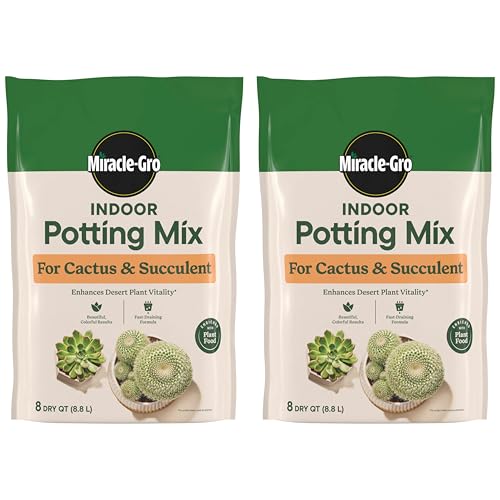
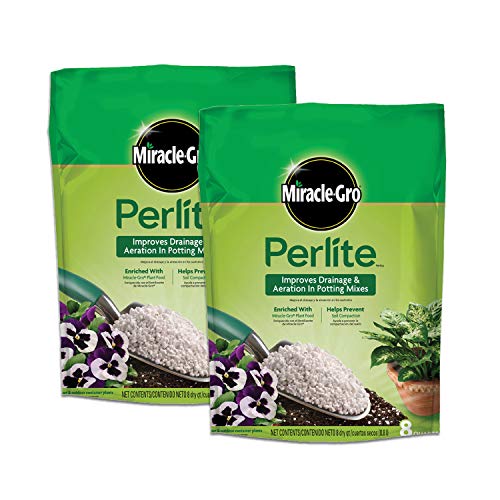
Use a pot with a drainage hole and a gritty cactus mix with 30 to 50% perlite or pumice. Unglazed terracotta wicks moisture from the soil, which is one reason clay pots are good for a cactus kept in apartments.
Empty saucers within 15 minutes of watering. Standing water under pots is a common source of musty smells and gnats.
Water on a schedule set by the soil
Water only when the soil is completely dry all the way down. Push a wooden skewer to the bottom of the pot; if it comes out clean and dry, water thoroughly until it drains.
In winter, when growth slows and windows stay shut, most desert cacti need water only every 4 to 8 weeks. Overwatering during this rest is the leading cause of rot.
Skip kitchen-scrap fertilizers indoors
Food scraps on the soil surface can mold and attract pests inside your home. Before trying coffee grounds for cactus plants, know that they hold moisture and can crust over, which cacti dislike.
Eggshells break down very slowly and add little that a cactus needs right away. If you’re curious whether eggshells are good for cactus, grind them finely and use them sparingly, if at all.
A diluted cactus fertilizer at half strength, applied once a month from spring through summer, is cleaner and more predictable indoors.
Sophia’s tip: If you see fungus gnats, let the soil dry completely and top it with a half-inch layer of coarse grit or pumice. Adult gnats can’t easily lay eggs in dry, gritty surfaces.
What Actually Improves Indoor Air Quality?
Ventilation, source control, filtration and humidity management make the real difference. Plants, including cacti, are a pleasant addition rather than a solution.
Ventilation first
Open windows on opposite sides of your apartment for 5 to 10 minutes a day to create cross-flow, even in winter. Use bathroom exhaust fans during showers and for 20 minutes afterward.
Reduce what you bring in
- Choose low-VOC or zero-VOC paints and finishes
- Air out new furniture and mattresses in a ventilated room before use
- Swap aerosol sprays and plug-in fresheners for unscented products
- Store paints, solvents and fuels outside living spaces
- Take shoes off at the door to cut tracked-in dust
Filter and monitor
Replace forced-air furnace filters on schedule, typically every 1 to 3 months. A HEPA air purifier handles particles, and a unit with an activated carbon stage helps with odors.
Install carbon monoxide detectors near sleeping areas, as the CDC recommends, especially if you have gas appliances. Test them monthly.
Keep humidity in range
Aim for indoor humidity between 30 and 50%. Below that, winter air feels harsh; above it, mold and dust mites thrive. An inexpensive hygrometer shows where you stand.
Are Cacti Safe Around Pets and Kids?
Most true cacti aren’t known to be highly toxic, but their spines and glochids can cause real injuries. The ASPCA lists Christmas cactus as non-toxic to cats and dogs.
Spines and glochids
Spines can puncture paws, mouths and curious fingers. Opuntia species like bunny ear cactus carry glochids, tiny barbed hairs that detach easily and lodge in skin.
Remove glochids with tape pressed gently against the skin, followed by tweezers. Contact your veterinarian if a pet has spines in its mouth, eyes or throat.
Lookalikes to watch for
Some plants sold alongside cacti are not cacti at all. Pencil cactus, for example, is a Euphorbia with irritating sap, and the ASPCA lists it as toxic to cats and dogs.
Check the botanical name on the tag before bringing any spiny or succulent plant into a home with pets.
Placement that keeps everyone safe
Set spiny cacti on high windowsills or wall shelves out of reach of jumping cats. Avoid low tables in households with toddlers or dogs that investigate with their noses.
Your Next Steps
- Open windows for 5 to 10 minutes daily and run kitchen and bathroom fans every time you use them.
- Place a HEPA air purifier in your bedroom and a CO2 monitor where you spend the most time.
- Move your cacti within 1 to 3 feet of your sunniest window, or add a grow light set for 12 to 14 hours.
- Repot any cactus in soggy soil into gritty mix and a draining pot, then cut back winter watering.
- Brush dust off spines every month or two and empty saucers after watering.
- Check plant tags for botanical names and move spiny plants above pet and child height.

Common Questions About Cactus and Air Quality
Do cacti produce oxygen at night?
Not in a meaningful way. Cacti absorb carbon dioxide at night and release most of their oxygen during the day when sunlight powers photosynthesis. Either way, the amount is far too small to change the air in a bedroom.
How many cacti would it take to clean the air in a room?
Far more than any home could hold. Estimates based on chamber research suggest roughly one to nearly a hundred plants per square foot of floor would be needed to match ordinary ventilation. Opening a window is dramatically more effective.
Is it okay to keep a cactus in the bedroom?
Yes, as long as it gets enough light. A bright south or west window works well, and cacti don’t add humidity or harm air quality when kept dry. Just keep spiny types away from where you’d brush against them at night.
Does a cactus near my computer block radiation?
No. There’s no evidence that cacti absorb or block the electromagnetic fields from screens, routers or phones. A desk by a sunny window is still a fine spot for one.
Which houseplants are better than cacti for air quality?
No common houseplant measurably purifies air in a real home, so the difference between cacti and leafy plants is minor. Leafy tropicals add slightly more humidity, which may help in dry winter rooms. For cleaner air, rely on ventilation, filtration and fewer chemical products.

Hi! I’m Sophia, and I love plants – especially an expert in growing house plants. I stay in Chicago, United States of America, and through my blog and social media platforms, provide tips and tricks on how to grow healthy, vibrant plants indoors. Check out more here.