
You glance at the windowsill and notice your bunny ear cactus pads tilting sideways, wrinkled, soft, or slumped over the rim of the pot like tired ears.
The short version: Bunny ear cactus drooping almost always comes down to water, light, or roots. Soft, yellowing pads that sag usually mean too much water.
Thin, wrinkled pads that lean usually mean too little water or too little sun. Check the soil and the base of the plant before you change anything.
This guide covers how to read the symptoms, fix each cause, and tell when a plant is beyond saving.
Check These First
- Push a wooden skewer 2 to 3 inches into the soil. If it comes out damp a week after watering, overwatering is your likely cause.
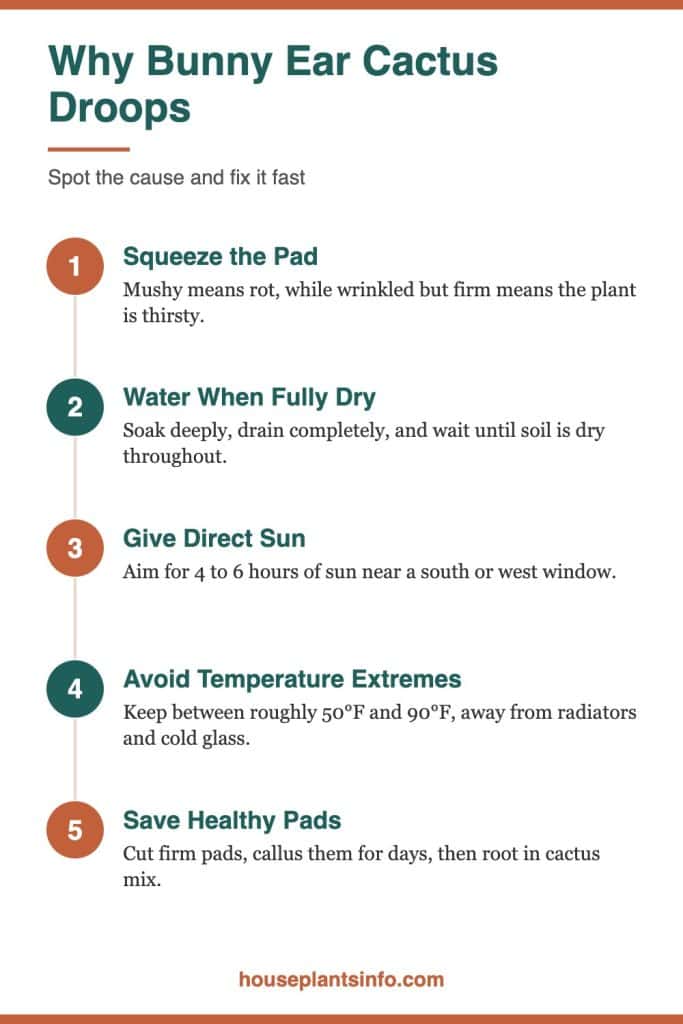
- Squeeze a drooping pad gently. Mushy or translucent means rot. Wrinkled but firm means thirst.
- Look at where the plant sits. More than 3 feet from a window, or behind a sheer curtain, is too dim for this cactus.
- Feel the air near the plant in winter. Cold glass, drafty sills, and blasting radiators all stress the pads.
- Tip the pot and check for a drainage hole. A pot without one is a common reason roots fail.
Why Is My Bunny Ear Cactus Drooping?
A drooping bunny ear cactus is reacting to stress in its roots or pads, and the pattern of the droop points to the cause. Mushy, discolored pads point to rot, while thin or wrinkled pads point to dehydration or weak light.
Bunny ear cactus (Opuntia microdasys) grows naturally on dry, sunny hillsides in northern Mexico. It stores water in its flat pads, called cladodes, and relies on full sun and fast-draining soil to stay upright and firm.
Indoors, those needs often clash with apartment conditions. Dim windows, dense potting soil, and dry forced-air heat can all push the plant out of balance within a few weeks.
Reading the Symptoms
The table below matches what you see with the most likely cause.
| What you see | Likely cause | First move |
|---|---|---|
| Soft, mushy, yellow or brown pads near the base | Overwatering, root rot | Stop watering, check roots |
| Wrinkled, thin, flat pads that lean | Underwatering | Deep soak, then dry out fully |
| Long, narrow, pale pads bending toward the window | Low light | Move to a brighter window |
| Pads with tan or black patches after a cold spell | Cold or frost damage | Move away from glass |
| White fuzz, brown bumps, or fine webbing | Pests | Isolate and treat |
| Whole plant tipping in the pot | Top-heavy growth, weak roots | Repot or prune |
Simple Checks Before You Act
A soil moisture meter helps, though cactus mix is coarse enough that readings can run low. Pair it with the skewer test for a clearer picture.
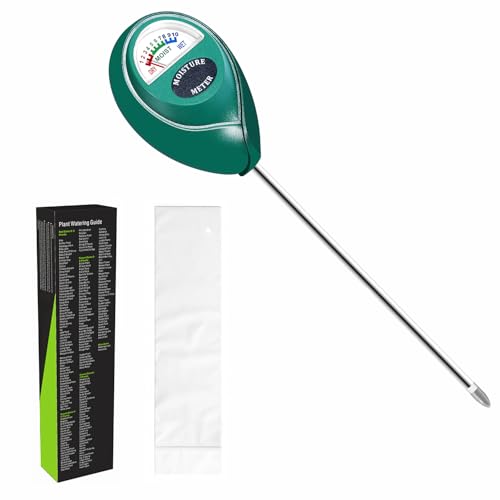
If light is the issue, a full-spectrum grow light placed 6 to 12 inches above the plant can fill the gap in a dark room.
Many of these causes apply to other species as well. If you grow several kinds, the general guide on why a cactus drooping problem happens is a useful reference.
Overwatering and Root Rot: Cause and Fix
Overwatering is the most common reason a bunny ear cactus droops, because wet soil suffocates roots and lets rot set in. The fix is to stop watering, inspect the roots, and replant healthy sections in dry, gritty soil.
How Rot Shows Up
Rot often starts below the soil, so the first sign may be a slight lean. Next, pads near the base turn soft, yellow, or translucent. Advanced rot causes black or brown mushy tissue and a sour smell from the pot.
Healthy pads feel firm, like a slightly thick leather. If a pad dents easily and stays dented, the tissue inside is breaking down.
Rescuing a Rotting Plant
Wear thick gloves or wrap the plant in folded newspaper. Slide it out of the pot and shake off the soil so you can see the roots clearly.
- Healthy roots are firm and pale tan to white.
- Rotten roots are dark, slimy, and pull apart easily.
- Trim all rotten roots with clean, sharp scissors.
- Cut away any mushy pads until you reach clean, green tissue.
Let the plant sit somewhere dry and bright, out of direct sun, for 3 to 7 days. The cut surfaces need to form a dry callus before they touch soil again.
Replant in fresh cactus mix in a clean pot with a drainage hole. Wait about a week before watering lightly, then return to a normal dry-down routine.
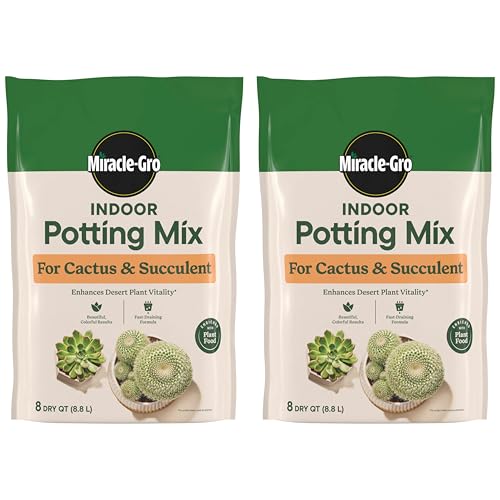
Sophia’s tip: Mix your cactus soil with extra perlite or pumice until it is roughly half grit. Water should run through the pot within seconds, not pool on the surface.
Watering the Right Way
Water only when the soil is completely dry from top to bottom. In spring and summer, that is often every 2 to 4 weeks indoors. In winter, water every 4 to 8 weeks or less.
Always water deeply until it drains from the bottom, then empty the saucer. Never let the pot sit in standing water, especially in a cool apartment where soil dries slowly.
Underwatering and Dehydration: Cause and Fix
A thirsty bunny ear cactus droops because its pads lose the water pressure that keeps them stiff. The fix is a thorough soak, then a steady schedule that lets the soil dry out between waterings without leaving the plant parched for months.
Signs Your Cactus Is Thirsty
Dehydrated pads look flat, thin, and wrinkled. They may pucker in lines across the surface, and the whole plant can lean as pads lose weight unevenly.
Unlike rot, the tissue stays firm. The color may dull or turn slightly yellow, but you will not see soft, wet patches.
Rehydrating Without Causing Rot
Water slowly until it runs from the drainage hole. If the soil has become hard and pulls away from the pot edges, set the pot in a bowl of water for 15 to 30 minutes so it can absorb from below.
Drain fully afterward. Pads usually plump up within several days to two weeks.
Why Indoor Plants Dry Out Faster
Forced-air heat and radiators dry the soil faster in winter than many people expect. A cactus sitting on a sill above a radiator can need water more often than one in a cooler room.
Small terracotta pots also dry out quickly, especially in a sunny south window. Check soil dryness rather than following the calendar alone.
Low Light and Stretched Pads: Cause and Fix
Bunny ear cactus droops in low light because it grows thin, weak pads that cannot support their own weight. The fix is to give it several hours of direct sun daily, or supplement with a grow light.

What Light Starvation Looks Like
The plant stretches toward the light source in a process called etiolation. New pads come in narrow, pale green, and long rather than round and flat.
These stretched pads bend or flop because they lack the thick structure normal growth provides. If this matches what you see, the guide on bunny ear cactus growing long and skinny covers it in more depth.
Finding the Right Window
This cactus wants bright light with at least 4 to 6 hours of direct sun. A south-facing window is ideal, and a west-facing window is a good second choice.
East windows can work in summer but often fall short in winter. North windows rarely provide enough light on their own.
Keep the plant within 1 to 2 feet of the glass. Light intensity drops sharply as you move away, even if the room looks bright to your eyes.
Using a Grow Light
In a dim apartment, a full-spectrum LED grow light can make up the difference. Run it 12 to 14 hours a day and keep it 6 to 12 inches above the pads.
Stretched pads will not shrink back to normal shape. You can leave them, trim them, or use them for new plants once fresh growth comes in compact.
Moving to Brighter Light Safely
Sudden full sun can scorch a plant used to dim conditions. Increase exposure over 1 to 2 weeks, moving it closer to the window a little at a time.
Sunburn shows up as white, tan, or yellow bleached patches on the side facing the window. If you see it, back the plant off slightly and continue more gradually.
Sophia’s tip: Rotate the pot a quarter turn every week or two. This keeps growth even and stops the whole plant from leaning toward the window.
Cold, Frost, and Heat Stress: Cause and Fix
Temperature extremes damage pad tissue and roots, which leads to drooping, discoloration, and soft spots. The fix is to keep the plant between roughly 50°F and 90°F, away from cold glass and direct heat sources.
Cold and Frost Damage
Bunny ear cactus handles cool winters well and actually benefits from a rest at 45°F to 55°F. Below about 40°F, especially in damp soil, the risk of injury rises quickly.
Freezing temperatures can rupture cells inside the pads. Damaged areas turn soft, then tan, brown, or black within a few days.
In Chicago winters, a pad pressed against single-pane glass can get far colder than the room. Keep pads a few inches from the window, and close blinds behind the plant on frigid nights.
What to Do After Cold Damage
Move the plant to a stable spot right away. Do not water it until you can see how much tissue survives.
Wait a week or two for damage to declare itself. Then cut away any mushy pads at the joint, letting the cuts callus over before watering again.
Heat and Drafts
Radiators, heating vents, and space heaters can dry pads unevenly and cook the roots in a small pot. Keep the plant at least 3 feet from direct heat.
Air conditioning drafts are less harmful but can chill a plant that has just been watered. Avoid placing it directly in the path of a summer AC vent.
If you move your cactus to a balcony in summer, bring it inside before nights drop below 50°F.
Pests and Fungal Spots: Cause and Fix
Sap-sucking pests and fungal infections drain the pads and weaken the plant until it sags. The fix is to isolate the cactus, remove pests by hand, and correct the moisture conditions that let fungus spread.
Common Pests on Bunny Ear Cactus
Mealybugs look like small tufts of white cotton, often tucked in pad joints or near the roots. Scale insects appear as flat, brown or tan bumps that do not wipe off easily.
Spider mites leave fine webbing and tiny pale specks on pads, especially in dry winter air. Heavy infestations of any of these can cause yellowing, shriveling, and drooping.
How to Treat Pests
Move the plant away from other houseplants first. Dab mealybugs and scale with a cotton swab dipped in 70% isopropyl alcohol.
For spider mites, rinse the pads with a gentle stream of lukewarm water and let the plant drain thoroughly. Insecticidal soap is another option for widespread pests.
Repeat treatment every 5 to 7 days for several weeks. Eggs hatch after the first round, and one treatment rarely clears an infestation.
Check the roots for root mealybugs if the plant keeps declining. They show up as white, waxy patches on the root ball.
Fungal Spots and Corky Patches
Brown, black, or sunken circular spots can signal fungal infection, usually linked to wet soil, water sitting on pads, or poor air movement. Remove badly affected pads and keep the plant drier.
Rough, tan, corky patches are often a response to overwatering or stress rather than disease. They are mostly cosmetic but signal that care needs adjusting.
Pot, Soil, and Top-Heavy Growth: Cause and Fix
Sometimes the plant is healthy but physically falls over because its pot is too small, its soil is too loose, or its pads grew in a lopsided way. The fix is to repot, stake, or trim the heaviest growth.
When the Pot Is the Problem
A bunny ear cactus that has outgrown its pot can tip over from the weight of its pads. Roots circling the bottom or poking from the drainage hole tell you it is time to repot.
Choose a pot only 1 to 2 inches wider than the root ball. Terracotta is a strong choice because it is heavy, stable, and dries faster than plastic.
Repot in spring or early summer. Wait about a week before watering so any broken roots can heal.
Handling the Plant Safely
The plant looks soft and fuzzy, but those dots are glochids, tiny barbed bristles that detach at a touch. Use thick gloves, tongs, or folded newspaper whenever you handle it.
If you do get stuck, learn how to remove bunny ear cactus spines safely before you rub your skin and spread them further.
Trimming Heavy or Leaning Pads
Cut off leaning pads at the joint with a clean, sharp knife. Removing weight from one side often lets the plant straighten and stabilize.
Healthy trimmed pads do not have to go to waste. You can propagate bunny ear cactus from them after they callus for several days.
Sophia’s tip: Add a layer of small gravel on top of the soil after repotting. It keeps the base of the plant dry and adds a bit of weight to steady a top-heavy pot.
Is Your Bunny Ear Cactus Dying? How to Tell
A bunny ear cactus is likely dying if the base or main stem is mushy, black, or hollow and most of the roots are rotten. If any firm, green pads remain, you can usually save the plant by propagating them.
Signs It Can Recover
- Pads are wrinkled but firm.
- Roots are mostly pale and solid.
- Damage is limited to a few outer pads.
- The plant still produces new growth in spring.
Signs It Is Failing
- The base pad is soft, dark, or collapsing.
- Most roots are slimy or gone.
- Rot is spreading upward from pad to pad.
- A strong, unpleasant smell comes from the soil.
Saving What You Can
When the base is lost, cut healthy pads free at the joint. Check the cut surface, which should be clean and green with no brown streaks.
Let the pads callus for 3 to 7 days, then set them upright in dry cactus mix. Roots usually form within a few weeks in warm, bright conditions.
Other cacti with tall, narrow stems fail in different ways. If you also grow Austrocylindropuntia, the guide to eve’s needle cactus drooping covers its specific warning signs.
Pet and Kid Safety
The bigger risk with this plant is physical. Glochids lodge in mouths, paws, and skin and can be hard to remove. Check the ASPCA plant database for its current toxicity listing, and place the pot on a high shelf away from curious pets and kids.
Your Next Steps
- Test the soil 2 to 3 inches down before watering again, and wait until it is completely dry.
- Squeeze one drooping pad to sort the problem into rot (mushy) or thirst (wrinkled but firm).
- Move the plant within 1 to 2 feet of a south or west window, or add a grow light.
- Pull it at least 3 feet from radiators and a few inches back from cold winter glass.
- Inspect the pad joints and roots for mealybugs, scale, or webbing.
- Repot into gritty cactus mix in a terracotta pot with a drainage hole if the soil stays wet.
Common Questions About Bunny Ear Cactus Drooping
Can a drooping bunny ear cactus pad stand back up?
A pad drooping from thirst often firms up and lifts within a week or two of a deep watering. Pads that droop from rot, cold damage, or stretching will not recover their shape. Trim those at the joint instead.
How often should I water a bunny ear cactus indoors?
Water only when the soil is completely dry, usually every 2 to 4 weeks in spring and summer. In winter, cut back to every 4 to 8 weeks or less. Indoor heat, pot material, and light all change the timing, so check the soil first.
Should I cut off drooping pads?
Cut off pads that are mushy, discolored, or bending under their own weight. Healthy pads that just lean from thirst can stay on the plant. Always cut at the joint and let the wound dry.
Why is my bunny ear cactus drooping after repotting?
Some drooping after repotting is normal because roots are disturbed. It usually settles within 1 to 3 weeks if you wait about a week before watering. Persistent drooping can point to soil that holds too much moisture or a pot without drainage.
Can bunny ear cactus recover from root rot?
It can recover if healthy roots or firm pads remain. Trim all rotten tissue, let the plant callus, and replant in dry, gritty mix. If the base is fully rotted, propagate the healthy pads instead.

Hi! I’m Sophia, and I love plants – especially an expert in growing house plants. I stay in Chicago, United States of America, and through my blog and social media platforms, provide tips and tricks on how to grow healthy, vibrant plants indoors. Check out more here.