
Your cactus sits on a sunny sill, the same size it was last spring, and a bottle of fish fertilizer under the sink has you wondering whether it would help or hurt.
The short version: Yes, you can use fish fertilizer on cactus plants, as long as you dilute it to a quarter or half of the label rate and feed only during active growth in spring and summer.
Fish fertilizer runs high in nitrogen, so lighter, less frequent doses keep your cactus compact and healthy.
This guide covers what fish fertilizer contains, how to mix and apply it, when to stop, and how to handle the smell and other indoor problems.
At a Glance
| Factor | What it needs |
|---|---|
| Light | Bright direct light, 4 to 6 hours or more, so the plant can use the nutrients |
| Water | Water only when soil is fully dry; feed on a watering day, never on dry soil |
| Soil | Fast-draining gritty cactus mix in a pot with a drainage hole |
| Temperature | 70 to 90°F during the feeding season; stop feeding below about 60°F |
| Pet safety | Store fertilizer sealed and out of reach; its smell attracts cats and dogs |
| Difficulty | Easy, as long as you dilute well and feed sparingly |
Can You Use Fish Fertilizer on Cactus Plants?
Yes. Fish fertilizer is a gentle organic option that works well on cacti when you cut the strength and limit how often you use it.
The main adjustment is dilution. Most fish emulsions are made for leafy vegetables and lawns, which want far more nitrogen than a slow-growing desert plant.
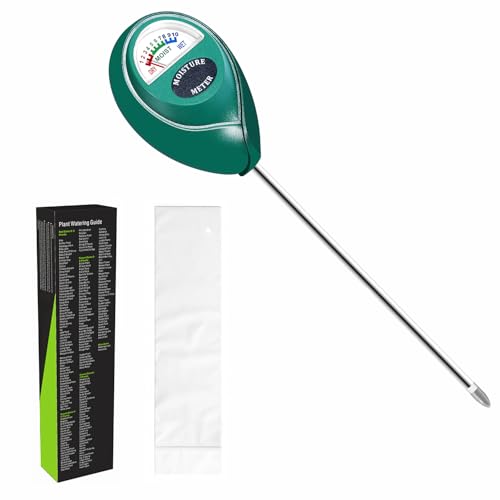
A set of measuring spoons and a dedicated watering can make the dosing easy and repeatable. A soil moisture meter also helps you confirm the pot has dried out before you feed, which matters more indoors where soil dries slowly.
Why It Works
Cacti need the same nutrients as other plants, just in smaller amounts. Fish fertilizer supplies nitrogen, phosphorus, potassium, and trace minerals in a form that releases gradually and is less likely to scorch roots than many synthetic salts.
Where It Falls Short
Fish fertilizer is low in phosphorus and potassium compared to its nitrogen content. Those two nutrients support flowering and sturdy tissue, which many cactus growers care about.
If flowers are your goal, you may want to alternate fish fertilizer with a low-nitrogen cactus formula. If you have leftover cactus food, it’s also useful to know whether you can use cactus fertilizer for other plants in your home.
What Fish Fertilizer Actually Contains
Fish fertilizer is made from fish byproducts processed into a liquid concentrate. It typically carries an N-P-K ratio around 4-1-1 or 5-1-1, along with small amounts of calcium, magnesium, and other trace elements.
Fish Emulsion
Fish emulsion is produced with heat, which breaks down the fish and removes most of the oils. It is inexpensive, widely available, and has a strong smell that fades within a day or two outdoors.
Heat processing destroys some of the proteins and amino acids, so emulsion acts mainly as a nitrogen source.
Fish Hydrolysate
Hydrolysate is made with enzymes instead of heat. It keeps more of the oils, proteins, and amino acids, and it often smells a little milder.
Because it contains more organic material, hydrolysate can separate in the bottle. Shake it well before every use, or the dose will be uneven.
How Organic Nutrients Reach Roots
Organic fertilizers depend on soil microbes to break them into forms roots can absorb. Gritty cactus mix with lots of pumice or perlite holds fewer microbes than rich potting soil.
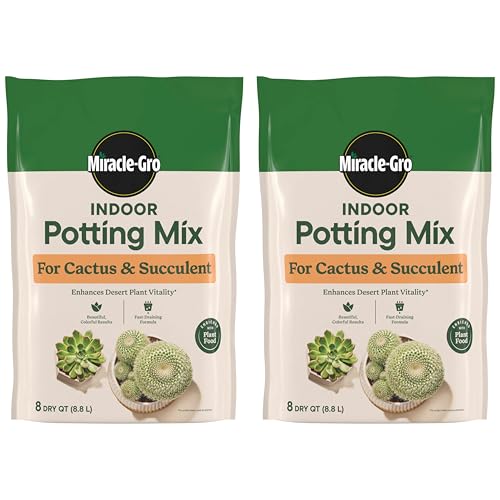
That means fish fertilizer acts a bit slower in a cactus pot. This is actually a benefit, since cacti prefer a gentle, steady supply over a sudden rush.
| Fertilizer type | Typical N-P-K | Best use on cactus |
|---|---|---|
| Fish emulsion | 4-1-1 to 5-1-1 | Diluted spring feeding for green growth |
| Fish hydrolysate | 2-4-1 to 4-1-1 | Diluted feeding with more trace nutrients |
| Low-nitrogen cactus formula | 1-2-2 to 2-7-7 | Bloom support and general maintenance |
| Balanced houseplant formula | 10-10-10 or similar | Quarter strength as an all-purpose option |
Too Much Nitrogen: The Main Risk and How to Avoid It
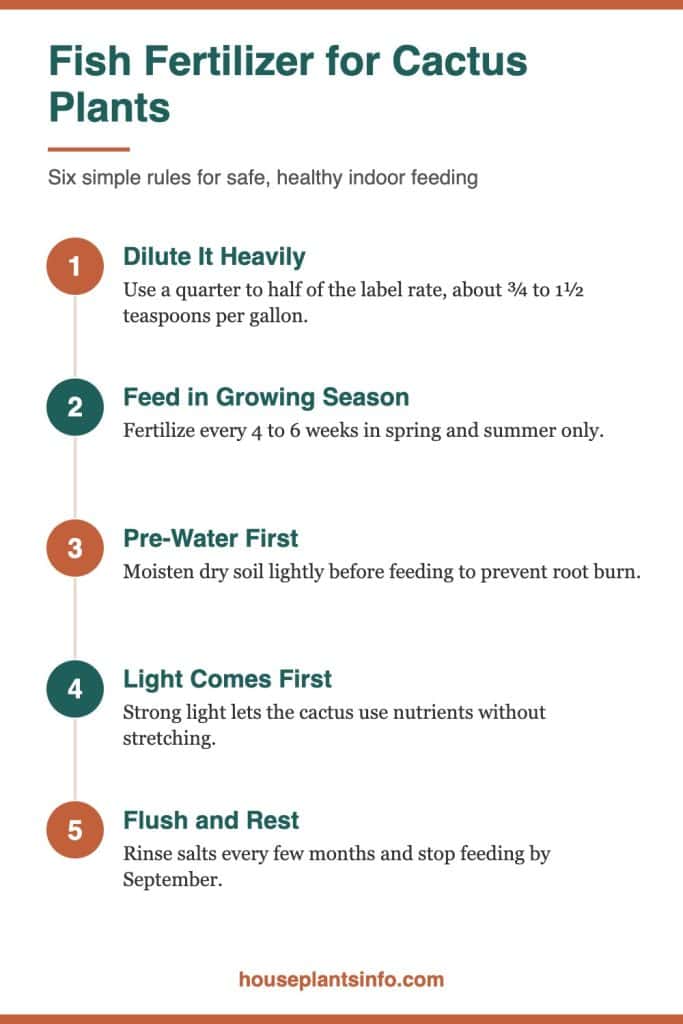
The biggest problem with fish fertilizer on cactus is excess nitrogen, which causes soft, stretched, weak growth. The fix is simple: dilute heavily and feed less often.
What Overfeeding Looks Like
Overfed cacti grow fast but poorly. Watch for these signs:
- New growth that is narrow, pale, or lime green
- Stems that lean, flop, or feel soft when pressed
- Spines spaced farther apart on new growth than on old growth
- A white or tan crust on the soil surface or pot rim
- Brown, mushy tips or roots from fertilizer salt burn
Stretched growth looks similar to growth from low light. If your cactus sits more than 2 to 3 feet from a window, light is probably the bigger issue.
How Light Changes the Math
A cactus can only use nutrients in proportion to the light it gets. A plant in a south-facing window in July can handle a monthly feeding, while the same plant in a north window cannot.
Under a grow light, you can feed on the same schedule as a sunny window, provided the light runs 12 to 14 hours a day and sits 6 to 12 inches above the plant.

Flushing After Overfeeding
If you see salt crust or soft growth, stop feeding. Run plain water through the pot until it drains freely for a full minute, then let the soil dry completely.
Repeat the flush every few months if you feed regularly. Tap water in many cities leaves minerals behind, and fertilizer adds to that buildup.
Sophia’s tip: Mark your feeding dates on a piece of masking tape stuck to the fertilizer bottle. It keeps you from doubling up and makes it obvious when the season’s last dose has passed.
How to Tell If Your Cactus Needs Feeding
Most cacti need feeding only when they are actively growing and have been in the same soil for over a year. Fresh potting mix usually holds enough nutrients for the first 6 to 12 months.
Signs a Cactus Is Hungry
A cactus that needs nutrients tends to show slow, subtle changes rather than dramatic ones:
- No new growth at the tip or crown during spring and summer, despite good light
- Fading color, with the green turning yellowish across the whole plant
- Mature plants that bloomed before but have stopped flowering
- Soil that has been in the pot for two or more years
Signs It Does Not Need Feeding
Skip the fertilizer if the plant is fine and simply slow. Cacti naturally grow a fraction of an inch to a few inches per year, depending on the species.
Also skip it if the plant is stressed. Rot, pests, recent repotting, or sunburn all call for fixing the cause first, since fertilizer cannot repair damaged roots.
Rule Out Look-Alike Problems
Yellowing at the base often points to overwatering or rot, not hunger. Pale, bleached patches on the sunny side usually mean sunburn after a sudden move to brighter light.
Cottony white spots in the crevices are a pest sign. If you’re unsure, read up on whether a cactus can get mealybugs before reaching for fertilizer, since soft, nitrogen-rich growth can attract them.
How to Mix and Apply Fish Fertilizer Step by Step
Mix fish fertilizer at a quarter to half of the label’s houseplant rate and apply it to slightly moist soil. A typical label calls for about 1 tablespoon per gallon, so a cactus dose lands around ¾ to 1½ teaspoons per gallon.
Step 1: Check the Soil
Push a finger or a soil moisture meter about 2 inches into the pot. The soil should be dry at that depth, which means it’s time to water anyway.
Step 2: Pre-Water Lightly
Give the plant a small drink of plain water first. Fertilizer on bone-dry roots is more likely to burn them, and a light pre-water helps the solution spread evenly.
Step 3: Mix the Solution
Shake the bottle hard for 10 to 15 seconds. Measure the concentrate into room-temperature water and stir until the color is even.
Mix only what you need for that day. Diluted fish fertilizer starts to smell worse and can grow bacteria if it sits for more than a day or two.
Step 4: Pour at the Soil Line
Pour slowly around the base of the plant, keeping the solution off the stem. Fish oils can leave residue on the skin of the cactus and trap dust.
Water until a little drains from the bottom, then empty the saucer within 15 minutes. Cactus roots should never sit in standing water.
Step 5: Let It Dry Fully
Return to your normal routine and let the soil dry out completely before the next watering. Use plain water between feedings.
Sophia’s tip: Feed in the morning and open a window a crack for an hour if the weather allows. The smell clears much faster with fresh air than it does in a closed apartment overnight.
Feeding New Cuttings and Young Plants
Do not fertilize unrooted cuttings. They have no roots to absorb nutrients, and the extra moisture and organic material can encourage rot.
If you plan to grow Peruvian apple cactus from a cutting, wait until you see firm new growth, usually 2 to 3 months after rooting, before giving a first quarter-strength dose.
When to Feed and When to Stop
Feed cacti from early spring through late summer, roughly every 4 to 6 weeks. Stop by early fall and give no fertilizer through winter.
The Indoor Growing Season
In a Chicago apartment, active growth typically starts in March or April as days lengthen. You’ll notice a slight color change at the crown or new spines forming.
Most cacti slow down by September. Two to four feedings per season is plenty for the majority of indoor plants.
Why Winter Feeding Hurts
Cacti go semi-dormant in winter, especially in shorter days and cooler window zones. Fertilizer sits unused in the soil, salts build up, and roots can be damaged.
Many species also need a cool, dry winter rest around 45 to 60°F to bloom in spring. Feeding during this rest can reduce flowering.
Radiators, Forced Air, and Grow Lights
A cactus beside a radiator or heat vent may stay warm in winter but still gets weak light. Warmth without light pushes stretched growth, so don’t treat a warm room as a reason to feed.
Plants under strong grow lights can sometimes keep growing through winter. In that case, a light feeding every 6 to 8 weeks is reasonable if you see steady new growth.
Species That Feed Differently
Holiday cacti, such as Christmas and Thanksgiving cactus, are forest cacti from humid habitats. They tolerate slightly more frequent feeding, about every 2 to 4 weeks in spring and summer at half strength.
Stop feeding holiday cacti in late summer so buds can set. Columnar desert types stay on the standard schedule; for one popular example, here’s how to care for Peruvian apple cactus through the seasons.
| Season | Desert cacti | Holiday cacti |
|---|---|---|
| Spring | Every 4 to 6 weeks, quarter to half strength | Every 2 to 4 weeks, half strength |
| Summer | Every 4 to 6 weeks, quarter to half strength | Every 2 to 4 weeks, half strength |
| Fall | Stop by September | Stop by late August for bud set |
| Winter | No feeding | No feeding until after bloom |
Soil and Pot Setup That Makes Feeding Safe
Fertilizer only works well in a pot that drains fast and dries out within about a week. Dense soil holds fertilizer and water around the roots, raising the risk of rot and salt burn.
Choose a Gritty Mix
A good cactus mix contains 50 to 70 percent mineral material, such as pumice, perlite, or coarse sand. The rest is a light organic component that holds a small amount of moisture.
The same gritty base works for many other dry-loving plants. If you have extra, you can use cactus soil for succulents like echeveria and jade.
Pick the Right Pot
Terracotta breathes and dries quickly, which suits most cacti in humid summer apartments. Glazed ceramic and plastic hold moisture longer, so you’ll water less often.
Always use a drainage hole. Without one, fertilizer salts and excess water collect at the bottom with nowhere to go.
Repotting and Fertilizer Timing
Wait 4 to 6 weeks after repotting before feeding. Roots damaged during repotting need time to heal, and fresh mix already contains some nutrients.
Fish Fertilizer Problems Indoors and How to Fix Them
The most common indoor problems with fish fertilizer are odor, fungus gnats, mold on the soil surface, and pet interest. Each has a straightforward fix.
Lingering Smell
The odor usually fades within 24 to 48 hours. Using a weaker dilution, feeding in the morning, and keeping air moving with a fan all help.
Deodorized versions exist and smell noticeably less. They work the same way and are a good choice for small apartments.
Fungus Gnats and Fruit Flies
Organic material and moist soil attract fungus gnats. Since cacti should dry out between waterings, gnats rarely become a serious problem in a well-drained pot.
If gnats appear, let the soil dry completely and top-dress with a ½-inch layer of grit or gravel. That dry surface discourages egg-laying.
White Fuzz on the Soil
A fuzzy white or gray layer is usually harmless mold feeding on organic residue. Scrape it off, improve airflow, and stretch the time between waterings.
Don’t confuse it with the hard white crust of mineral salts, which calls for a flush with plain water.
Pet Safety
Fish fertilizer smells appealing to cats and dogs, who may dig in freshly fed pots or lick spills. Swallowing fertilizer can cause vomiting and stomach upset, so store the bottle sealed and out of reach.
The ASPCA lists Christmas cactus as non-toxic to cats and dogs. For spiny desert cacti, the spines themselves are the main physical hazard for curious pets and kids.
Sophia’s tip: After feeding, set a freshly fed cactus on a high shelf or inside a closed room for a day until the smell fades. That window is when pets are most likely to investigate.
Your Next Steps
- Check the last time you repotted; if it was within 6 months, skip feeding this season.
- Look at light first: move the cactus within 1 to 2 feet of a south or west window, or add a grow light.
- Mix fish fertilizer at a quarter to half of the label rate on your next watering day in spring.
- Feed every 4 to 6 weeks through summer, then stop completely by September.
- Flush the pot with plain water every few months to clear salt buildup.
- Store the fertilizer sealed and out of reach of pets and kids.
Common Questions About Using Fish Fertilizer on Cactus Plants
How often should I use fish fertilizer on my cactus?
Feed desert cacti every 4 to 6 weeks during spring and summer, which works out to about two to four feedings a year. Holiday cacti can take a half-strength dose every 2 to 4 weeks during the same period. Give no fertilizer in fall and winter.
Can fish fertilizer burn cactus roots?
It can if you use it at full strength or pour it onto dry soil. Diluting to a quarter or half of the label rate and pre-watering lightly keeps the risk low. Flushing with plain water every few months clears any buildup.
Is fish emulsion better than regular cactus fertilizer?
Neither is strictly better; they suit different goals. Fish emulsion is gentle and organic but high in nitrogen, while cactus formulas are lower in nitrogen and support flowering. Many growers alternate them through the season.
Will fish fertilizer make my apartment smell?
You’ll notice a fishy odor for a day or two after feeding, especially in a small or closed room. Weaker dilutions, morning feeding, and good airflow help it clear faster. Deodorized versions reduce the smell considerably.
Should I fertilize a cactus that is not growing?
Only if it’s spring or summer, it gets strong light, and the soil is over a year old. A cactus that isn’t growing in winter is resting, and feeding it then can cause damage. Check for low light, rot, or pests before assuming it needs nutrients.

Hi! I’m Sophia, and I love plants – especially an expert in growing house plants. I stay in Chicago, United States of America, and through my blog and social media platforms, provide tips and tricks on how to grow healthy, vibrant plants indoors. Check out more here.