
Your new cactus sits on the windowsill in its nursery pot, and the empty bowl beside it has room for two, maybe three plants.
Before you start filling that space, it helps to know how far apart is it best to plant a cactus so the arrangement still looks good and stays healthy a few years from now.
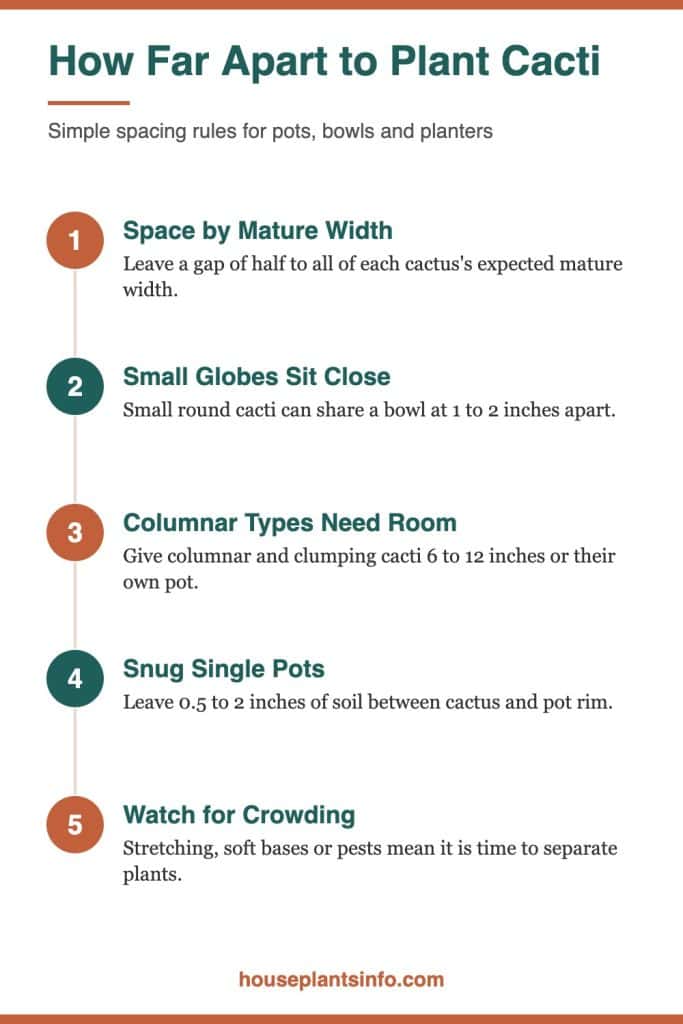
The short version: Space each cactus at roughly half to all of its expected mature width.
For most small globular cacti in a shared bowl, that means 1 to 3 inches between plant bodies, while columnar and clumping types need 6 to 12 inches or more indoors.
Inside its own pot, a cactus wants about 0.5 to 2 inches of soil between its body and the rim.
This guide covers spacing by cactus type, pot sizing, dish gardens, signs of crowding, a planting walkthrough, pet safety and the most common follow-up questions.
At a Glance
| Factor | What it needs |
|---|---|
| Spacing in shared containers | 1 to 3 inches for small globular types, 6 to 12 inches or more for columnar or clumping types |
| Space inside a single pot | 0.5 to 1 inch for small cacti, 1 to 2 inches for larger ones |
| Light | Bright direct light, ideally a south or west window within 1 to 3 feet of the glass |
| Water | Soak thoroughly, then let the soil dry completely; less often in winter |
| Soil | Fast-draining cactus mix with 30 to 50 percent grit such as pumice or perlite |
| Temperature | 65 to 85°F in the growing season, 50 to 60°F winter rest for many species |
| Difficulty | Easy, as long as drainage and spacing are right |
How Far Apart Is It Best to Plant a Cactus?
The best distance depends on how wide the cactus will get, not how wide it is today.
A practical rule is to leave a gap equal to half the combined mature widths of two neighboring plants, which keeps them from pressing into each other as they grow.
Indoors, cacti grow slowly, so you can usually plant a little closer than you would outdoors. Still, plants placed body to body will start competing for water, light and airflow within a season or two.
Matching the Gap to Growth Speed
Slow globular cacti, such as many Mammillaria and Gymnocalycium, may only add a fraction of an inch in width per year. These can sit 1 to 2 inches apart in a bowl for several years before you need to separate them.
Faster or larger growers, including columnar Cereus and clumping Echinopsis, widen or produce offsets more quickly. Give these at least 4 to 6 inches in a container, and plan on repotting them separately eventually.
Checking Spacing as You Plant
A ruler or a simple marked chopstick makes spacing easy to measure while you set plants in the soil. Lay each cactus in place before planting, then step back and check that the outer spines of neighbors are not touching.
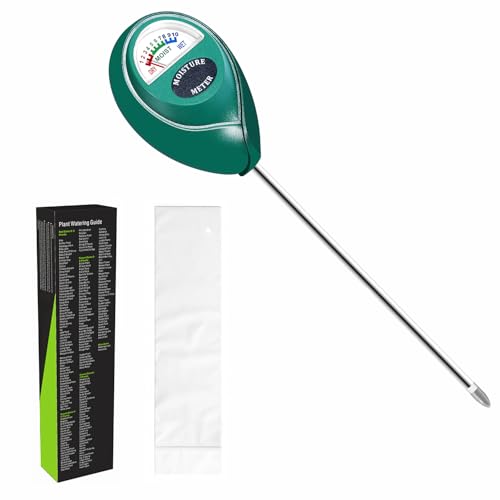
Spacing also affects how you water. When cacti share a pot, a soil moisture meter pushed between plants helps you confirm the mix has dried all the way down, which matters more in a crowded bowl that holds moisture unevenly.
Indoor Conditions That Change the Math
In a Chicago-style apartment, winter light is weak and forced-air heat dries the air. Plants under these conditions may stretch toward the window, which makes them taller and floppier rather than wider.
If your cacti sit more than 3 feet from the glass or in a north-facing room, a grow light placed 6 to 12 inches above them keeps growth compact. Compact plants hold their spacing far better than stretched ones.

How Much Space Do Different Cactus Types Need?
Different growth habits call for very different spacing. Globular types stay close, columnar types need side room plus headroom, and clumping types need space for offsets.
| Cactus type | Common examples | Spacing in shared container | Spacing in an indoor bed or large planter |
|---|---|---|---|
| Small globular | Mammillaria, Gymnocalycium, Rebutia | 1 to 2 inches | 3 to 6 inches |
| Medium globular | Echinocactus, Ferocactus (young) | 2 to 4 inches | 6 to 12 inches |
| Clumping | Echinopsis, Mammillaria clusters | 3 to 6 inches | 8 to 12 inches |
| Columnar | Cereus, Pilosocereus, Espostoa | 4 to 6 inches | 12 inches or more |
| Paddle (Opuntia) | Bunny ear cactus | Best planted alone | 12 to 24 inches |
| Epiphytic | Christmas cactus, Rhipsalis | Best planted alone | Not suited to shared beds |
Globular Cacti
Round cacti are the easiest to group because they grow outward slowly and stay low. A small bowl can hold three to five of them with 1 to 2 inches between bodies.
Keep the tallest globe at the back if the bowl sits against a window. Shorter plants in front will then get their share of light without being shaded.
Columnar Cacti
Columnar cacti grow up first, but they also thicken and sometimes branch. A Peruvian apple cactus, for example, can become a tall, multi-armed plant over time, so it is happiest in its own pot.
If you plan to grow Peruvian apple cactus from cutting, start each cutting in a separate small pot. That way you avoid disturbing neighbors when it is time to pot up.
Paddle and Jungle Cacti
Opuntia paddles spread sideways in unpredictable directions and carry tiny barbed glochids that are hard to remove from skin. Giving them a pot of their own makes handling much easier.
Epiphytic cacti like Christmas cactus need more water and less direct sun than desert types. Mixing them into a desert dish garden puts one group on the wrong watering schedule.

How Much Room Should a Cactus Have Inside Its Own Pot?
A single cactus does best in a pot only slightly wider than its body. Aim for 0.5 to 1 inch of soil around small cacti and 1 to 2 inches around larger ones.
Cacti have shallow, fine roots that dry the soil quickly when the pot is snug. An oversized pot holds extra soil that stays wet long after the roots have finished drinking, which is a leading cause of rot.
Choosing Pot Width and Depth
For globular cacti, choose a pot whose diameter is about 1 to 2 inches wider than the plant. Shallow pots work well because the roots tend to spread rather than dive.
Columnar cacti need a deeper, heavier pot for stability. A tall plant in a light plastic pot can tip over, especially near an AC vent or a window that gets opened often.
Why Material Matters
Unglazed terracotta wicks moisture out of the soil and lets air reach the roots. It is the most forgiving choice for most indoor cactus growers.
Glazed ceramic and plastic hold water longer. They can work in very bright, warm spots or near a radiator, but you will need to water less often.
Sophia’s tip: Check the drainage hole before you buy any pot. If a decorative pot has no hole, use it as a cachepot with a draining nursery pot inside, and tip out any water that collects after each watering.
When to Size Up
Repot when roots circle the bottom, emerge from the drainage hole, or the plant body nearly touches the rim. For most indoor cacti, that happens every 2 to 4 years.
Move up only one pot size at a time. Jumping several sizes recreates the soggy-soil problem you were trying to avoid.
Why Does Spacing Matter So Much for Cacti?
Spacing controls airflow, light, water competition and pest spread. Cacti that are too close stay damp longer, shade each other and pass problems from plant to plant.
Airflow and Rot
Indoor air is still compared with outdoor air, so moisture lingers around the base of crowded plants. That trapped humidity encourages fungal and bacterial rot at the soil line.
A gap of even 1 to 2 inches lets the surface dry faster. Pairing good spacing with a top layer of gravel keeps the stems themselves out of contact with damp soil.
Light Competition
Taller plants shade shorter ones, especially in winter when the sun sits low. Shaded cacti stretch, pale and lean, a condition called etiolation that does not reverse.
Rotating the pot a quarter turn every week or two helps, but only if the plants have room so that each side gets direct light in turn.
Water and Root Competition
When roots from several cacti share a small volume of soil, the stronger plant takes most of the water. Weaker neighbors may shrivel while the soil overall stays wet enough to rot their roots.
Uneven watering also shows up as discoloration. If you notice Peruvian apple cactus yellowing in a crowded arrangement, root competition and soggy soil are worth ruling out first.
Pest Spread
Pests move easily between plants that touch. Mealybugs, in particular, hide in spine clusters and at the soil line, then crawl to the next plant.
If you are unsure whether those white fuzzy spots are a problem, read about whether can cactus get mealybugs before treating. Spacing makes isolation and spot treatment much simpler.
Can You Plant Cacti Close Together in a Dish Garden?
Yes, as long as you choose compatible, slow-growing species and accept that you will separate them eventually. Dish gardens are a short- to medium-term arrangement, typically lasting 1 to 3 years before replanting.
Picking Compatible Plants
Group cacti with the same light and water needs. Desert globular types pair well with each other and with similar slow succulents such as Haworthia, which tolerate a bit less sun.
Avoid mixing desert cacti with leafy succulents that want frequent water. One group will always be overwatered or underwatered.
Working With Shallow Bowls
Shallow dish gardens drain poorly if they have no hole. Use a bowl with at least one drainage hole and at least 2 to 3 inches of soil depth.
Plant so that each cactus sits at the same depth it grew in its nursery pot. Burying the stem deeper invites rot.
Sophia’s tip: Leave a little bare space in the arrangement on purpose. A dish garden looks full when you plant it 1 to 2 inches apart, and it will look lush, not jammed, after a year of growth.
Knowing When to Split It Up
Plan to divide the dish garden when spines interlock, one plant overshadows another, or the soil stays wet more than a week after watering. Gently tease the root balls apart and repot each plant separately.
Signs Your Cacti Are Too Crowded and How to Fix Them
Crowded cacti show it through stretching, discoloration, slow drying soil and pest buildup. The fix is usually to separate plants into individual pots or a wider container with fresh mix.
Stretching and Leaning
Thin, pale growth that bends toward the window means the plant is not getting enough light. In a crowded bowl, a taller neighbor is often the cause.
Move the shaded plant into its own pot and place it closer to the brightest window. Introduce stronger light gradually over 1 to 2 weeks to avoid sunburn.
Soft, Mushy or Discolored Bases
Brown or black softness at the soil line points to rot, often from trapped moisture. Remove the affected plant immediately so it does not spread.
Cut away rotted tissue with a clean knife until only firm, healthy flesh remains. Let the cut callus for several days to a couple of weeks before replanting in dry mix.
Shriveling Next to a Thriving Neighbor
A cactus that wrinkles while its neighbor plumps up is losing the competition for water. Separating them and watering each on its own schedule usually solves this.
Cuttings That Will Not Settle In
Propagated cuttings tucked into crowded bowls often struggle because the soil around them stays inconsistently wet. If you are dealing with a Peruvian apple cactus not rooting, give it a small pot of its own in gritty mix and bright, indirect light.
Repeated Pest Problems
If mealybugs or spider mites keep returning, plants that touch are passing pests back and forth. Separate everything, treat each plant individually, and check new plants for a couple of weeks before grouping them.
How to Space and Plant Cacti Step by Step
Planting with the right spacing takes about 20 minutes per container. Prepare the mix, plan the layout, then plant from the largest cactus to the smallest.
Gathering What You Need
- A pot or bowl with drainage holes
- Fast-draining cactus mix, ideally amended with pumice or perlite
- Thick gloves, kitchen tongs or a folded strip of newspaper for handling
- A small spoon or scoop for backfilling
- Fine gravel or grit for a top layer
Planting the Arrangement
- Start with dry plants and dry soil. Cacti tolerate handling better when their roots are not swollen with water.
- Fill the container about two-thirds full with mix.
- Set the largest or tallest cactus first, usually toward the back or center.
- Place the remaining plants, measuring the gap to match the spacing table above.
- Backfill around each root ball, keeping the stems at their original depth.
- Add a thin layer of gravel on top to keep stems dry.
Aftercare
Wait about a week before the first watering. This gives any roots damaged during planting time to heal and lowers the risk of rot.
After that, water thoroughly when the soil is fully dry, letting the excess drain away. In winter, especially near a radiator or forced-air vent, check moisture before watering rather than following a calendar.
Sophia’s tip: If you want a deeper look at how one large columnar species behaves indoors, it helps to learn how to care for Peruvian apple cactus before deciding whether it belongs in a group or a pot of its own.
Is Cactus Spacing Important in Homes With Pets and Kids?
Yes, because spines are the main hazard, and spacing and placement both affect how easy plants are to bump into.
Many common cacti are not listed as toxic by the ASPCA, and the ASPCA lists Christmas cactus as non-toxic to cats and dogs, but spines can still injure mouths, paws and fingers.
Placement That Keeps Everyone Safe
Keep spiny arrangements on high shelves or windowsills that pets and small children cannot reach. Wide dish gardens set on low tables are easy for a curious cat to walk through.
Leave enough room between cacti that you can water and rotate them without reaching across spines. That also makes it safer for anyone else in the home to handle the pots.
Handling Spiny Plants
Use gloves, tongs or a folded newspaper collar when you move or repot a cactus. For glochid-bearing Opuntia, sticky tape can help lift the fine barbs from skin.
If a pet chews on any plant and shows drooling, vomiting or mouth pain, contact your veterinarian or the ASPCA Animal Poison Control Center.
Your Next Steps
- Identify each cactus by type (globular, columnar, clumping, paddle or jungle) and look up its expected mature width.
- Measure your current arrangement and separate any plants whose spines touch or overlap.
- Choose pots about 1 to 2 inches wider than each plant, with drainage holes.
- Repot into fast-draining cactus mix and wait about a week before watering.
- Place cacti within 1 to 3 feet of a south or west window, or add a grow light in dim rooms.
- Check crowded containers every few months for stretching, soft bases or pests.
Common Questions About Cactus Spacing
Can two cacti share one pot?
Yes, if they have the same light and water needs and enough room to grow. Space small globular types 1 to 2 inches apart and plan to separate them when they start to touch.
Do cacti like to be root-bound?
Cacti tolerate snug pots better than most houseplants, and a slightly tight fit helps the soil dry quickly. Once roots fill the pot completely or push out of the drainage hole, it is time to move up one size.
How far apart should outdoor cacti be planted compared with indoor ones?
Outdoor cacti generally grow faster and larger, so they need more space, often 2 to 3 feet or more for big columnar and paddle species. Indoor plants grow more slowly, so the closer spacing ranges in this guide work for years.
Should I put rocks in the bottom of a cactus pot?
A layer of rocks at the bottom does not improve drainage and can actually raise the wet zone of soil closer to the roots. Mixing grit throughout the soil and using a pot with a drainage hole works much better.
How often should I check spacing in a cactus arrangement?
Look at your arrangements every few months, ideally when you rotate them. Spring, at the start of the growing season, is the best time to separate or repot plants that have outgrown their spacing.

Hi! I’m Sophia, and I love plants – especially an expert in growing house plants. I stay in Chicago, United States of America, and through my blog and social media platforms, provide tips and tricks on how to grow healthy, vibrant plants indoors. Check out more here.