
You glance at the tall, finger-like cactus by your window and wonder if it has grown at all since spring. Many owners ask the same thing: what is an Eve’s needle cactus’ growth rate, and is yours on track?
The short version: Eve’s needle cactus (Austrocylindropuntia subulata) is one of the faster-growing cacti you can keep indoors. In bright light during spring and summer, a healthy plant often adds about 4 to 12 inches of new growth per year.
In low light or with poor watering, it may add only an inch or two.
This guide covers normal growth speed, mature size, seasonal rhythm, the factors that slow it down, and the fixes for each.
At a Glance
| Factor | What it needs |
|---|---|
| Light | Full sun to very bright light, ideally a south or west window within 1 to 2 feet of the glass |
| Water | Soak thoroughly, then let soil dry completely; water far less in winter |
| Humidity | Low to average household humidity; dry winter air is fine |
| Temperature | 65 to 90°F in the growing season; 45 to 55°F in winter is ideal for rest |
| Soil | Fast-draining cactus mix with extra grit, in a pot with a drainage hole |
| Pet safety | Spines and glochids can injure pets; keep out of reach |
| Difficulty | Easy, as long as light is strong and watering is sparse |
What Is an Eve’s Needle Cactus’ Growth Rate?
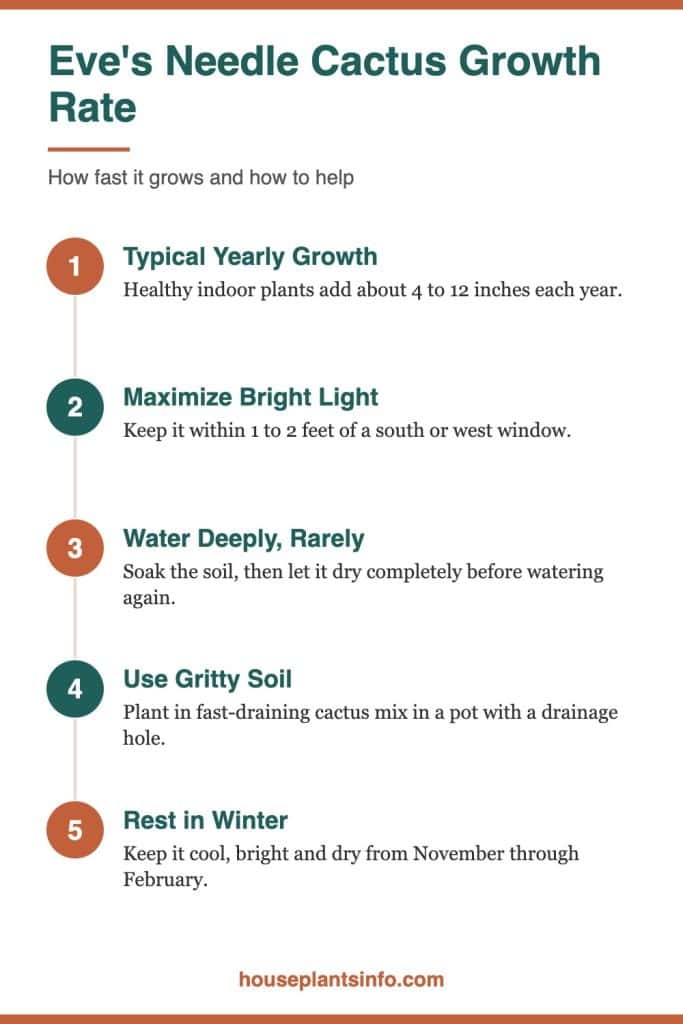
For a cactus, Eve’s needle grows quickly. Under good indoor conditions, expect roughly 4 to 12 inches of new stem growth per year, with most of it happening between late spring and early fall.
What “Fast” Means for This Plant
Many cacti add less than an inch a year. Eve’s needle is different because it comes from the high Andes of Peru and Bolivia, where it grows as a branching, shrubby plant.
Outdoors in a warm climate with full sun, it can put on a foot or more in a single season.
Indoors, light is the main limit. A plant in a bright south window will usually sit near the top of the range. One placed several feet back from a north window may barely grow at all.
How to Measure Growth Accurately
Measure from the soil line to the tip of the tallest stem in early spring, then again in early fall. A small mark on a plant label or a photo next to a ruler makes the comparison easy.
New growth is usually brighter green and topped with small, cylindrical leaves. These leaves are the plant’s namesake “needles,” though the true spines are separate, pale and sharp.
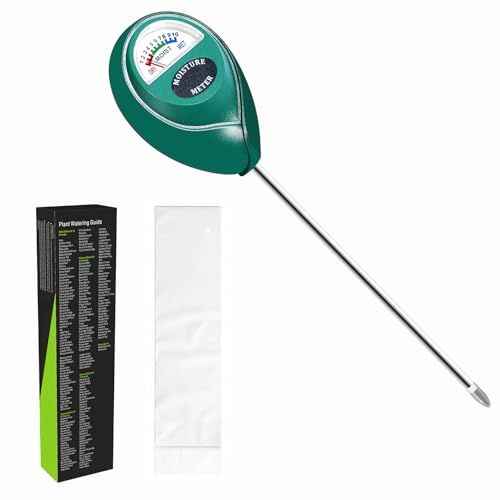
If you are unsure whether slow growth comes from dry soil or overwatering, a soil moisture meter pushed toward the bottom of the pot gives you a clearer reading than the surface.
In a dim apartment, a full-spectrum grow light is often the single biggest change you can make to speed growth.
Sophia’s tip: Take a dated photo of your cactus against the same wall every March and September. Comparing two photos side by side shows growth much more reliably than memory.
How Tall Does an Eve’s Needle Cactus Get?
Indoors, most plants reach about 2 to 6 feet tall over several years, depending on pot size and light. Outdoors in frost-free climates, mature specimens can reach roughly 10 to 13 feet.
Indoor Size Limits
A container restricts root space, and indoor light is weaker than open sky. Both slow growth and cap height. You can keep a plant shorter by choosing a modest pot and pruning the tallest stems.
Indoor plants tend to stay as a single column or a few upright stems. Branching usually increases with age, strong light and occasional pruning.
Outdoor Size in Warm Climates
In USDA hardiness zones 9 to 11, Eve’s needle can be grown in the ground and becomes a branched, tree-like shrub. Some Chicago growers move theirs to a sunny balcony for summer, which often produces a visible growth spurt.
If you do this, bring it inside before nights drop below about 50°F. Brief exposure near freezing is usually survivable for a dry plant, but frost damages stems.
How Long It Takes to Reach Mature Size
A small nursery plant of 4 to 6 inches can reach 2 to 3 feet indoors in roughly three to five years with good light. Outdoors, it can get there faster. Growth slows somewhat as the plant gets taller and heavier.
When Does Eve’s Needle Cactus Grow and When Does It Rest?
Active growth happens from about April through September, when days are long and warm. From late fall through winter, the plant should rest, and little or no new growth is normal.
The Spring and Summer Growth Window
Once daylight lengthens and temperatures stay above about 65°F, new tips appear at the top of stems and new pads or branches may form along the sides. This is when the plant uses water and fertilizer most efficiently.
Most of the year’s height comes in this window. A plant that stalls in summer is telling you something is off, usually light or watering.
Why Winter Rest Matters
In winter, the plant wants cool, bright, dry conditions. A rest period around 45 to 55°F with very little water helps keep stems compact and supports stronger growth and possible flowering the following year.
Most apartments are warmer than that. If your radiator runs hot, place the cactus near a cool, bright window rather than beside the heat source.
Weak Winter Growth Is a Warning Sign
Some indoor plants keep growing in winter because the room is warm while the light is dim. The result is thin, pale, stretched tips. That is not healthy growth, and it is a common reason plants look lopsided by spring.
Sophia’s tip: In winter, keep the cactus a few inches from the window glass but at least 3 feet from radiators or forced-air vents. The glass side stays cooler and brighter, which encourages proper rest.
Slow Growth From Low Light: Move It Closer to the Window
Low light is the most common reason an indoor Eve’s needle grows slowly or not at all. Give it the brightest spot you have, ideally at least 4 to 6 hours of direct sun.
Best Window Directions
A south window is the top choice in the Northern Hemisphere. West windows work well too, since afternoon sun is strong. East windows can support slower but healthy growth.
North windows rarely provide enough light on their own. If that is all you have, plan on supplemental lighting.
Distance From the Glass
Light intensity drops quickly as you move away from a window. A cactus 1 foot from the glass gets far more light than one 5 feet back on a shelf. For this plant, keep it within about 1 to 2 feet of the window.
Sheer curtains, screens and nearby buildings also reduce light. In a city apartment, the view outside matters as much as the compass direction.
Using a Grow Light
A full-spectrum LED grow light can fill the gap in dim rooms or during short winter days. Position it about 6 to 12 inches above the top of the plant and run it 12 to 14 hours a day during the growing season.
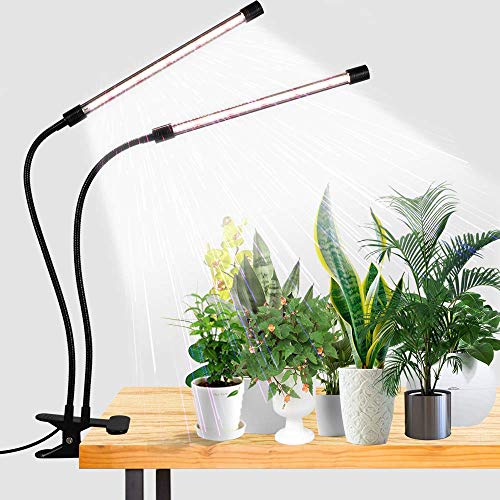
In winter, you can shorten that to around 10 hours to support rest. A simple outlet timer keeps the schedule consistent.
Adjusting to Stronger Light Gradually
If you move a plant from a dim corner into direct sun, do it over 1 to 2 weeks. Sudden strong sun can scorch stems, leaving tan or white patches.
Rotate the pot a quarter turn every week or two so all sides get even light.
Slow Growth From Watering Mistakes and the Fix for Each
Both too much and too little water slow growth, but overwatering is the bigger threat because it causes root rot. Water deeply, then let the soil dry completely before watering again.
Too Little Water in Summer
Eve’s needle is drought tolerant, but it still needs regular water to grow during the warm months. If stems look thin, wrinkled or dull, and the soil has been bone dry for weeks, the plant has likely paused growth to conserve water.
During spring and summer, water when the pot is completely dry, which is often every 1 to 3 weeks indoors depending on light, heat and pot size. Learn more about timing in this guide to Eve’s needle cactus watering.
Too Much Water at Any Time
Soggy soil cuts off oxygen to roots and invites rot. Early signs include soft, mushy stem bases, yellowing, and growth that stops even though the soil stays wet. If you see a soft base or blackened roots, act quickly.
Unpot the plant, trim off any rotted roots with clean scissors, and let it dry for a few days before repotting in fresh, dry cactus mix. If yellowing is your main concern, this article on an Eve’s needle cactus turning yellow walks through the causes.
Winter Watering
During winter rest, water very sparingly. Many indoor plants need only a light drink once every 4 to 6 weeks, or just enough to keep stems from shriveling badly. A cooler room means even less water.
Wrinkled stems in late winter usually plump back up within a week or two of spring watering. If the shriveling is severe or worsening, read about a potted Eve’s needle cactus shriveling to rule out root problems.
Soil, Pot Size and Feeding: What Actually Speeds Growth
The right soil, a properly sized pot and light feeding in the growing season support faster, healthier growth. None of these can make up for poor light, so fix that first.
A Gritty, Fast-Draining Mix
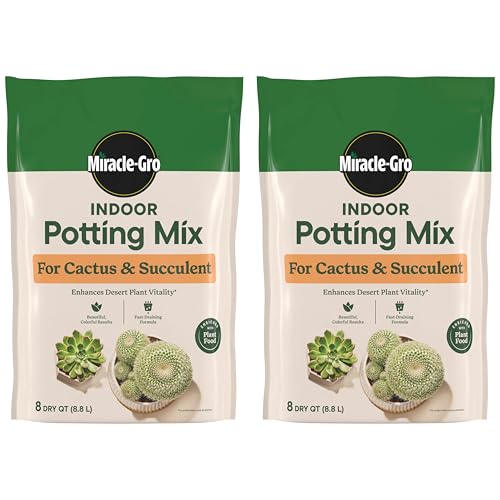
Use a commercial cactus and succulent mix, then add extra grit such as pumice, perlite or coarse sand. A good target is roughly half mineral material. Water should drain through within seconds, not pool on top.

Dense potting soil holds water around roots for days, which slows growth and raises the risk of rot. Avoid moisture-retaining mixes made for tropical houseplants.
Choosing the Right Pot
Always use a pot with a drainage hole. Unglazed terracotta is a good choice because it dries faster than plastic and adds weight that helps keep a tall cactus from tipping.
Pick a pot only about 1 to 2 inches wider than the root ball. An oversized pot stays wet longer and can stall growth.
When to Repot
Repot every 2 to 3 years, or when roots fill the pot and growth slows despite good care. Spring is the best time because the plant recovers quickly as it enters active growth.
Handle the plant with thick gloves, folded newspaper or kitchen tongs. Let it sit dry for about a week after repotting before you water, so any damaged roots can heal.
Fertilizing for Steady Growth
Feed once a month from spring through late summer with a balanced or low-nitrogen fertilizer diluted to half strength. A cactus-specific formula works well. Stop feeding in fall and winter.
Too much fertilizer produces soft, weak growth that may lean or split. More is not better here. A light, regular schedule gives sturdier stems.
Sophia’s tip: Water first with plain water, then apply diluted fertilizer on the next watering. Feeding a bone-dry cactus can stress the roots.
Leggy, Pale or Lopsided Growth: What It Means and How to Correct It
Growth speed is only part of the picture. Thin, pale, stretched stems mean the plant is growing in the wrong conditions, usually not enough light combined with warmth.
Stretching (Etiolation)
When light is weak, the plant stretches toward it. New growth looks narrower than older growth, lighter in color and may bend toward the window. This stretched section will not thicken later.
Move the plant to brighter light and, once it adjusts, you can prune the weak section. New growth from the cut will be sturdier.
Leaning Toward the Window
A cactus that leans in one direction is following its light source. Rotate the pot regularly. For a heavily leaning plant, a bamboo stake tied loosely with soft plant tape can support it while new, upright growth forms.
Pruning to Shape and Encourage Branching
Pruning in spring or early summer can encourage side branches and a fuller plant. Use a clean, sharp knife and cut a stem at the height you want. Wear thick gloves and eye protection, since spines and tiny glochids can fly.
The cut pieces root easily. If you want more plants from your trimmings, follow these steps to propagate Eve’s needle cactus.
Pet and Child Safety
Eve’s needle has long, sharp spines plus clusters of tiny barbed glochids that lodge in skin, paws and mouths.
Check the ASPCA’s plant list for the current toxicity status, but treat it as a physical hazard regardless and place it out of reach of pets and kids.
Pests, Drafts and Other Hidden Growth Slowdowns
If light, water and soil are right but the plant still stalls, look for pests, temperature stress or root problems. These are less common but easy to miss.
Common Pests
Mealybugs look like small white cotton tufts, often near spines or at the base of new growth. Spider mites leave fine webbing and a speckled, dull surface, especially in dry winter air. Scale insects appear as small brown bumps.
Dab mealybugs and scale with a cotton swab dipped in rubbing alcohol. For mites, rinse the plant with lukewarm water and repeat weekly until clear.
Drafts and Temperature Swings
Cold drafts from a leaky winter window are usually fine as long as temperatures stay above about 40 to 45°F. Hot, dry air blasting from a vent is harder on the plant and can cause uneven drying.
In summer, keep it out of the direct path of air conditioning units. Steady warmth with good light gives the best growth.
Root Problems
If the plant stopped growing and stays wobbly in the pot, check the roots. Healthy roots are firm and pale. Brown, mushy or hollow roots point to rot, while a dense circling mass means the plant needs a slightly larger pot.
For a complete routine covering light, water, soil and seasonal care, see this guide on how to grow and care for Eve’s needle cactus.
Your Next Steps
- Measure your cactus from the soil line to the tallest tip and note the date.
- Move it within 1 to 2 feet of your brightest south or west window, or add a grow light 6 to 12 inches above it.
- Check soil moisture at the bottom of the pot and water only when it is completely dry.
- Repot into gritty cactus mix in a terracotta pot with a drainage hole if the soil stays wet for days.
- Feed monthly at half strength from spring through summer, then stop for winter.
- Give it a cool, bright, dry rest from November through February, away from radiators.
Common Questions About Eve’s Needle Cactus Growth Rate
How many inches does an Eve’s needle cactus grow per year?
Indoors in good light, it typically grows about 4 to 12 inches per year. Plants in dim spots may add only 1 to 2 inches. Outdoors in warm climates, growth of a foot or more per season is possible.
Why has my Eve’s needle cactus stopped growing?
The most common causes are low light, winter dormancy, or overwatering that has damaged the roots. Check whether the soil stays wet and whether the plant gets several hours of direct sun. No growth in winter is normal.
Can I make my Eve’s needle cactus grow faster?
Yes, mainly by increasing light. A bright south or west window or a grow light makes the biggest difference, followed by deep but infrequent watering and monthly half-strength feeding in summer. A gritty mix and a snug pot also help.
Do the small leaves on Eve’s needle cactus fall off?
The cylindrical leaves are persistent compared to most cacti, but older ones can drop with age or stress. Sudden heavy leaf drop often points to overwatering, cold damage or a big change in light. New growth usually produces fresh leaves.
How long does an Eve’s needle cactus live?
With good care, it can live for many years and often decades indoors. Regular repotting, strong light and careful watering are the main factors in long life. Rooting cuttings also lets you keep the plant going indefinitely.

Hi! I’m Sophia, and I love plants – especially an expert in growing house plants. I stay in Chicago, United States of America, and through my blog and social media platforms, provide tips and tricks on how to grow healthy, vibrant plants indoors. Check out more here.