
A tall Eve’s needle cactus has started leaning away from your window, its green cylinders branching in every direction and poking anyone who walks past.
The short version: The easiest way to propagate Eve’s needle cactus is to cut a healthy stem segment, let the cut end dry and callus for one to two weeks, then set it in dry, gritty cactus mix.
Roots usually form in three to six weeks in warm, bright conditions. Division and seed also work, but stem cuttings are faster and far more reliable indoors.
This guide covers how to propagate Eve’s needle cactus by cuttings, division, and seed, plus timing, aftercare, and fixes for common problems.
At a Glance
| Factor | What it needs |
|---|---|
| Light | Bright light; a south or west window within 1 to 3 feet of the glass, or a grow light |
| Water | None until roots form, then water only when the mix is fully dry |
| Temperature | 70 to 85°F for fastest rooting; keep above 50°F |
| Soil | Fast-draining cactus mix with extra grit, perlite, or pumice |
| Best method | Stem cuttings; division and seed are slower |
| Difficulty | Easy for cuttings, moderate for seed |
| Pet safety | Spines and tiny barbed bristles are a physical hazard for pets and kids |
What Do You Need Before You Propagate?
You need a clean, sharp blade, a way to handle the spiny stems safely, and a small pot of fast-draining mix. A soil moisture meter and a grow light are useful extras if your apartment runs dim or you tend to overwater.
Eve’s needle cactus (Austrocylindropuntia subulata) is an opuntioid cactus from the Andes. Its stems carry long, stiff spines, and the areoles can also hold fine barbed bristles called glochids that lodge in skin and are hard to remove.
Handling Spiny Stems Safely
Wear thick leather or rubber-coated gloves, or hold the stem with kitchen tongs. Folded newspaper or a strip of cardboard wrapped around the stem also gives you a firm grip without contact.
Work over a sheet of paper or an old towel. Loose glochids and broken spines are much easier to gather and throw away that way than to pick out of a rug later.
Blade, Pot, and Mix
A sharp knife or pruning saw gives a cleaner cut than scissors, which can crush the stem tissue. Wipe the blade with rubbing alcohol before and after cutting to avoid spreading rot.
Choose a pot with a drainage hole that is only slightly wider than the cutting’s base. Terracotta works well because it wicks moisture away, which matters in a cool apartment.
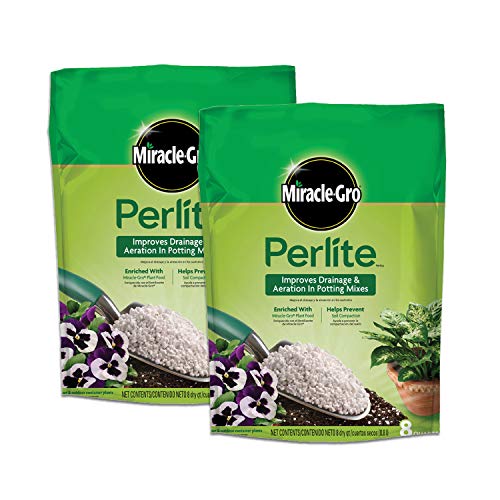
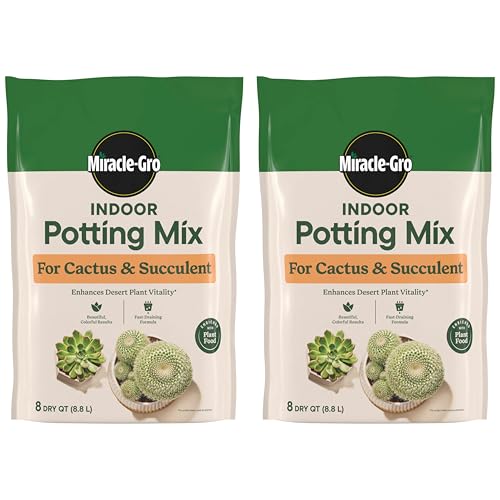
For the mix, use a commercial cactus soil blended with roughly one-third to one-half extra perlite, pumice, or coarse grit. Regular potting soil holds too much water and is the most common reason cuttings rot.
Optional Extras
Rooting hormone is not required, since this cactus roots readily on its own. A light dusting on the calloused end can speed things slightly, but skip it if you do not already have some.
A seedling heat mat helps if your propagation spot sits near a drafty window in winter. Keep the mat under the pot, not the cutting, and aim for a soil temperature in the 70s°F.
Sophia’s tip: Before you cut, set the pot, mix, gloves, and blade out on the counter. Spiny segments tend to tip and roll, and you want somewhere ready to lay them the moment they come free.
When Is the Best Time to Propagate?
Late spring through early summer is ideal, because the plant is actively growing and indoor temperatures are warm. You can propagate any time of year indoors, but winter cuttings root more slowly.
This species grows quickly for a cactus in good light. If you want a sense of how much new length to expect, the guide on an Eve’s needle cactus’ growth rate explains typical speeds and what slows them down.
Signs Your Plant Is Ready
A good candidate has firm, plump, evenly green stems with no soft spots or brown patches. Leggy, overgrown branches that lean toward the window are perfect material, and removing them improves the parent’s shape.
Avoid cutting from a plant that is shriveled, yellowing, or recovering from rot. Fix the plant’s care first, then take cuttings once it looks healthy again.
Winter Propagation in a Heated Apartment
In winter, radiators and forced-air heat dry the air, while windows stay cold. Place cuttings a few feet from the glass, away from vents, and add a grow light for 12 to 14 hours daily.

Rooting can take eight weeks or longer in winter. That is normal, so resist checking or watering too early.
How to Propagate Eve’s Needle Cactus From Stem Cuttings
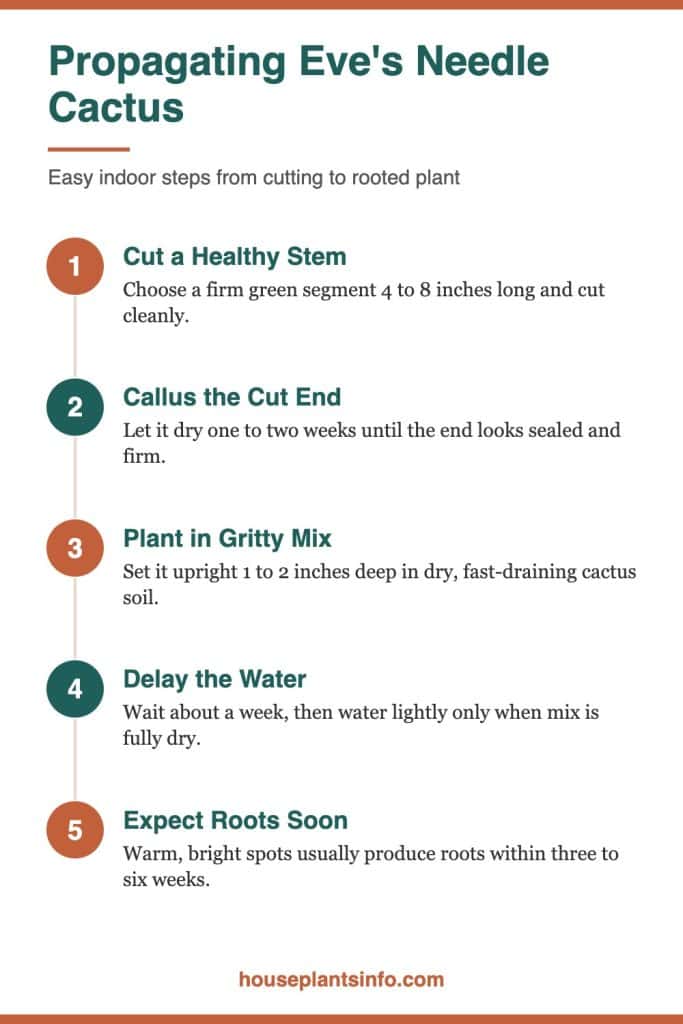
Cut a healthy stem 4 to 8 inches long, let it callus in a dry, shaded spot, then plant it upright in dry cactus mix. Wait about a week before giving any water.
This is the method I recommend for almost everyone. Eve’s needle cactus roots so readily that even broken pieces knocked off by a pet or a careless elbow will often root.
Step 1: Choose and Cut the Segment
Pick a branch with firm green tissue. Cut it cleanly at a joint where it meets the main stem, or anywhere along a long stem if it has no obvious joint.
Lengths of 4 to 8 inches root reliably and stand upright without much support. Very long cuttings work too, but they can be top-heavy until roots anchor them.
Note which end was the bottom. Cuttings planted upside down will not root, and the two ends can look similar once removed.
Step 2: Let the Cut End Callus
Lay the cutting on paper towel or stand it in an empty jar in bright, indirect light, away from direct sun. Normal room temperature is fine.
Callusing usually takes one to two weeks. The cut end is ready when it looks dry, firm, and sealed, with no moist or sticky surface.
Thicker stems need longer. In humid summer weather, give them the full two weeks; in dry winter air near a radiator, they may seal sooner.
Step 3: Plant the Cutting
Fill the pot with dry, gritty mix. Push the calloused end in about 1 to 2 inches, or just deep enough that the cutting stands upright.
If it wobbles, prop it with small stones, a pencil-sized stake, or the pot’s rim. Movement disturbs new roots, so steady support speeds rooting.
Step 4: Wait, Then Water Lightly
Hold off on water for about a week after planting. After that, water lightly every one to two weeks, letting the mix dry fully in between.
Roots generally appear within three to six weeks in warm conditions. A gentle tug that meets resistance means roots have taken hold.
Sophia’s tip: Write the cutting date on a strip of masking tape and stick it to the pot. It keeps you from guessing how long a cutting has been callusing or rooting, which is when most overwatering happens.
Should You Root Cuttings in Soil or Water?
Soil is the better choice for Eve’s needle cactus. Water rooting is possible, but the stems are prone to rot when wet, and water roots often struggle after the move to soil.
Why Dry Soil Works Best
Cacti store water in their stems, so a cutting does not need moisture to survive for weeks. Roots form in search of water, and dry, airy mix encourages strong, soil-adapted roots.
Gritty mix also lets oxygen reach the base. Poor oxygen and constant moisture are the conditions that invite fungal and bacterial rot.
If You Want to Try Water
Callus the cutting fully first. Then suspend it so only the bottom quarter inch to half inch touches the water, with the rest of the stem dry.
Change the water every few days and pot the cutting into dry mix once roots reach about an inch. Expect a short adjustment period afterward.
A Middle Option: Bare Mix in a Bright Spot
Some growers set calloused cuttings on top of dry mix rather than burying them. Roots grow down into the soil on their own, which lowers rot risk further, though the cutting needs support to stay upright.
| Method | Speed | Rot risk | Best for |
|---|---|---|---|
| Dry soil | 3 to 6 weeks | Low | Most indoor growers |
| Water | 2 to 5 weeks | Moderate to high | Experimenting, watching roots form |
| Surface rooting | 4 to 8 weeks | Very low | Cool or humid rooms |
Can You Divide Eve’s Needle Cactus?
Yes, if your plant has formed several separate stems from the base, or has produced pups around the edge of the pot. Division gives you a rooted plant immediately, which is a head start over cuttings.
Many indoor plants grow as a single branching trunk, though. If yours has only one main stem at the soil line, use cuttings instead.
How to Divide a Clump
Water the plant lightly a day or two before so the root ball holds together. Wearing gloves, tip the pot on its side and ease the plant out.
Shake or brush away loose soil to see where stems meet the roots. Gently pull apart sections that each have their own roots, using a clean knife where they are joined.
Potting Divisions
Let any cut or torn roots dry for a few days in a shaded spot. This reduces rot where the tissue was damaged.
Pot each division in dry cactus mix at the same depth it grew before. Wait about a week to water, then resume a normal dry-down schedule.
Taking Offsets
Small pups at the base can be cut off where they attach to the parent. If a pup has roots, pot it like a division; if not, treat it like a stem cutting and let it callus first.
How to Grow Eve’s Needle Cactus From Seed
Sow seeds on the surface of moist, fine, gritty mix, keep them warm and bright, and expect germination over several weeks to a few months. Seed is slow and less predictable, so it suits patient growers.
Indoor plants rarely flower or set seed, so you will most likely be working with purchased seed.
Preparing Opuntioid Seeds
Seeds in this group have hard coats. Soaking them in warm water for 24 hours before sowing can help, and some growers lightly nick or sand the coat to let moisture in.
Germination can be uneven even with preparation. Sow more seeds than you need and expect some to sprout much later than others.
Sowing and Germination
Fill a shallow tray or small pot with fine cactus mix, moisten it, and press the seeds onto the surface. Cover with a very thin layer of grit or none at all.
Cover the container with clear plastic or a dome to hold humidity. Keep the mix around 70 to 85°F, ideally on a heat mat, under bright indirect light or a grow light.
Mist when the surface dries, keeping it lightly damp but never soggy. Open the cover daily for a few minutes to prevent mold.
Caring for Seedlings
Once seedlings appear and look sturdy, remove the cover gradually over a week or two. Increase light slowly so the tiny plants do not scorch.
Transplant seedlings into individual pots when they are large enough to handle with a folded paper strip, often after several months. Growth speeds up noticeably after the first year.
How Do You Care for New Plants After Rooting?
Once rooted, move the young plant into bright light gradually and switch to a deep-water, full-dry-down routine. Most problems at this stage come from too much water or a sudden jump into strong sun.
Light After Rooting
Shift the pot closer to a south or west window over one to two weeks. Direct sun on a plant that has been in shade can bleach or scorch the stem.
If your windows face north or east, a grow light placed 6 to 12 inches above the plant for 12 to 14 hours daily prevents thin, stretched growth.
Watering a Young Plant
Water thoroughly until it drains from the hole, then wait until the mix is completely dry. In summer that may be every one to two weeks; in winter, every three to five weeks.
For a full schedule across seasons, see the guide to Eve’s needle cactus watering. Empty saucers promptly so the pot never sits in water.
Sophia’s tip: Push a wooden skewer to the bottom of the pot and leave it for a minute. If it comes out with damp soil clinging to it, wait a few more days before watering.
Feeding and Repotting
Start feeding once you see new growth, using a diluted cactus fertilizer once a month in spring and summer. Skip fertilizer in fall and winter.
Repot into a container one size larger when roots fill the pot, usually after a year. For ongoing light, soil, and temperature needs, the full guide on how to grow and care for Eve’s needle cactus covers each in detail.
Pet and Child Safety
I can’t point to a specific ASPCA listing for this species, so I would not assume it is either toxic or safe. The clear risk is physical: long spines and barbed glochids can injure mouths, paws, and fingers.
Keep cuttings and young plants on a high shelf or in a room pets and kids cannot reach. Sweep up fallen segments right away, since they can root and also stab.
Why Is My Cutting Rotting or Shriveling? Causes and Fixes
Rot almost always means too much moisture before roots formed, while shriveling usually means the cutting is drawing on stored water and is either thirsty or rootless. Both are fixable if you catch them early.
Soft, Black, or Mushy Base
Cause: the cutting was planted before callusing fully, or watered too soon, or the mix stays wet. Cool temperatures make it worse.
Fix: pull the cutting, cut above the rotted area into clean green tissue, and callus again for one to two weeks. Replant in fresh, dry mix.
Wrinkled or Shrinking Stem
Some mild wrinkling during rooting is normal, since the cutting has no roots to replace water it uses. It should plump back up once roots form and you begin watering.
If an established young plant keeps shriveling, check whether roots have rotted or the mix has gone bone dry for too long. The guide on a potted Eve’s needle cactus shriveling walks through each cause.
Yellowing Stems
Yellowing on a new plant often points to overwatering, sudden harsh sun, or poor drainage. It can also show up when a plant sits in low light for weeks.
Adjust water and light first, then watch new growth. For a detailed breakdown, read the guide on Eve’s needle cactus turning yellow.
No Roots After Many Weeks
Cool rooms, low light, and dormancy all slow rooting. Move the cutting to a warmer spot, ideally in the 70s°F, add a grow light, and give it more time.
As long as the stem stays firm and green, it is still alive and working on roots. Only discard it if it turns soft or brown throughout.
| Problem | Likely cause | Fix |
|---|---|---|
| Mushy base | Watered before roots, no callus | Cut above rot, re-callus, dry mix |
| Mild wrinkling | Normal rootless phase | Wait for roots, then water |
| Yellowing | Overwatering or sun shock | Dry out, acclimate light slowly |
| Pale, stretched growth | Too little light | Move closer to window or add grow light |
| No roots at 8 weeks | Cold or dim spot | Warm to 70 to 85°F, add light |
Your Next Steps
- Pick one firm, healthy stem 4 to 8 inches long and cut it cleanly at a joint with a sterilized blade.
- Let the cut end callus for one to two weeks in bright, indirect light away from vents and radiators.
- Plant it upright in dry, gritty cactus mix in a small pot with a drainage hole, and label the date.
- Wait about a week before light watering, then let the mix dry completely between waterings.
- Move the rooted plant gradually into strong light or under a grow light, and keep it out of reach of pets and kids.
Common Questions About Propagating Eve’s Needle Cactus
How long does it take an Eve’s needle cactus cutting to root?
Most cuttings root in three to six weeks in warm, bright conditions. In cool winter rooms, rooting can take eight weeks or longer, so patience pays off.
Can I propagate a piece that broke off on its own?
Yes, broken pieces root just as well as deliberate cuttings. Trim any ragged or crushed tissue to a clean cut, let it callus, and plant it like any other cutting.
Do I need rooting hormone?
No, this cactus roots readily without it. A light dusting may speed rooting slightly, but clean cuts, full callusing, and dry, gritty mix matter much more.
How deep should I plant the cutting?
Push the calloused end about 1 to 2 inches into the mix, or just deep enough to stand upright. Planting too deep keeps more stem in contact with soil and raises rot risk.
Can I put several cuttings in one pot?
Yes, grouping three or more cuttings makes a fuller-looking plant sooner. Space them an inch or two apart so air moves between stems, and use a pot wide enough to drain well.

Hi! I’m Sophia, and I love plants – especially an expert in growing house plants. I stay in Chicago, United States of America, and through my blog and social media platforms, provide tips and tricks on how to grow healthy, vibrant plants indoors. Check out more here.