
You are looking at a tall, blue-green column of Peruvian apple cactus beside your sunniest window and wondering whether it could finally move outdoors. So, will a Peruvian apple cactus grow in zone 8?
The answer depends on your exact winter lows, where you plant it, and how much protection you can give it.
The short version: A Peruvian apple cactus (Cereus repandus, often sold as Cereus peruvianus) is usually rated for zones 9 to 11, so zone 8 sits just outside its comfort range.
It can survive in the warmer half of zone 8 with a dry, sheltered spot and winter protection, but a container you bring indoors is the safer choice in most zone 8 gardens.
This guide covers what zone 8 means for this cactus, how cold it can handle, where to plant it, how to protect it, indoor winter care, and how to spot and fix cold damage.
At a Glance
| Factor | What it needs |
|---|---|
| Light | Full sun outdoors; a south or west window or a strong grow light indoors |
| Water | Deep watering only when the soil is fully dry; very little in winter |
| Temperature | Best above 60°F; cold damage risk below roughly 25 to 28°F |
| Soil | Fast-draining cactus mix with added grit or pumice |
| Humidity | Low; dry indoor winter air is fine |
| Pet safety | Not known as a common toxic plant, but the spines can injure pets |
| Difficulty | Easy indoors, challenging outdoors in zone 8 |
Will a Peruvian Apple Cactus Grow in Zone 8?
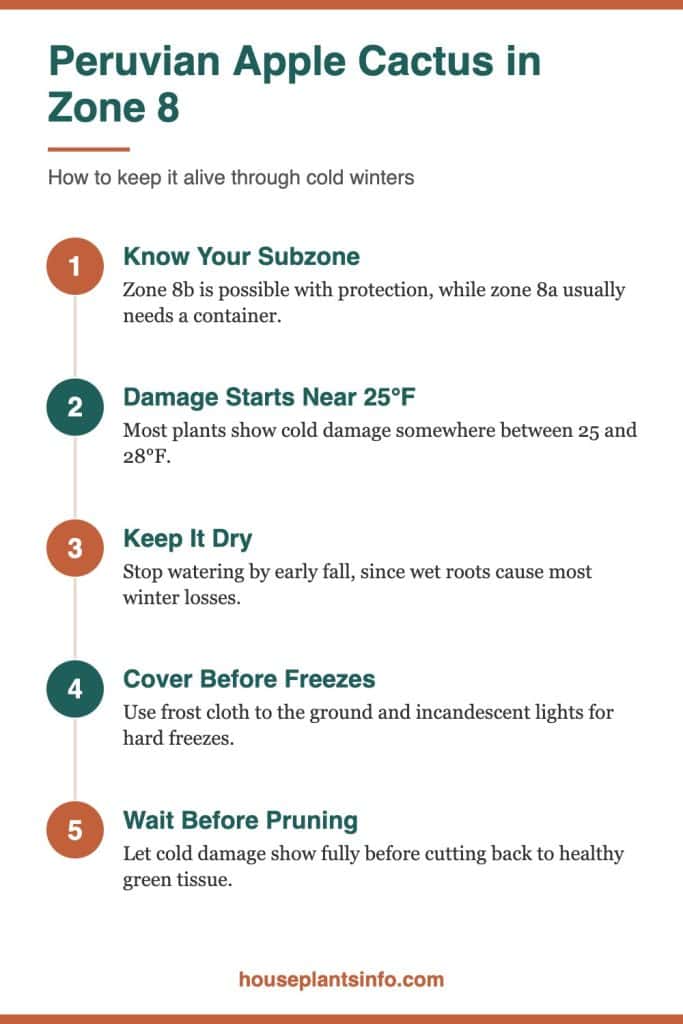
It can grow in zone 8, but survival is not guaranteed. In zone 8b, a mature, dry, well-sited plant often makes it through mild winters, while in zone 8a the risk of losing it in a hard freeze is high.
Why the Answer Is “Sometimes”
This cactus comes from warm, dry regions of South America where winters are mild. Its thick stems store a lot of water, and that water can freeze and rupture cells when temperatures drop well below freezing for several hours.
The biggest danger is not cold alone. Cold combined with wet soil causes most winter losses, because soggy roots rot while the plant is too cool to dry out.
How to Judge Your Own Risk
Start by finding your exact zone and subzone, then look at the lowest temperatures your area has recorded in the past decade. A simple outdoor thermometer placed near your intended planting spot will tell you more about that location than a regional map can.
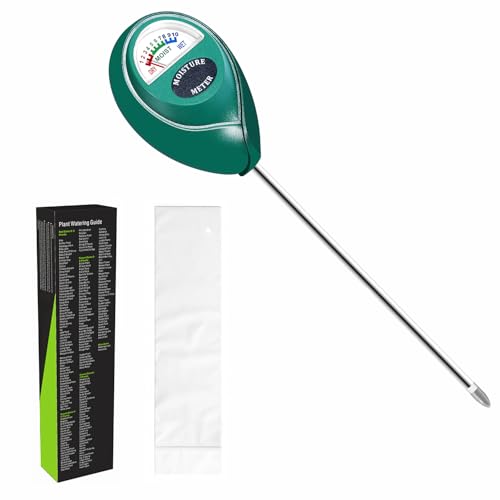
Before winter, push a soil moisture meter deep into the bed or pot after rain. If the soil stays wet for days after a cold rain, that spot is a poor candidate for a cactus, no matter how sunny it is.
Signs Your Garden Is a Good Fit
- Your winter lows rarely fall below 20°F
- Hard freezes last only a few hours, not several days
- You have a south-facing wall, slope, or raised bed that drains quickly
- Winters are relatively dry, or you can keep rain off the plant
What Does Zone 8 Mean for a Cactus?
A hardiness zone is based on the average coldest winter temperature in an area. Zone 8 covers places where the average annual extreme low falls between 10 and 20°F.
The Two Halves of Zone 8
Zone 8a has average lows of 10 to 15°F, and zone 8b has average lows of 15 to 20°F. That 5 degree difference matters a great deal for a cactus that starts showing damage in the mid-20s.
| Subzone | Average extreme low | Outlook for Peruvian apple cactus |
|---|---|---|
| 8a | 10 to 15°F | Poor in the ground; container recommended |
| 8b | 15 to 20°F | Possible with protection and sharp drainage |
| 9a (for comparison) | 20 to 25°F | Generally reliable for established plants |
What the Zone Map Leaves Out
Hardiness zones only measure winter lows. They say nothing about rainfall, humidity, summer heat, or how long a freeze lasts.
A dry zone 8 garden in a desert region is far kinder to this cactus than a wet zone 8 garden with cold, soaking winter rains. Two gardens with the same zone number can give completely different results.
Microclimates Can Shift Your Odds
Spots next to brick or stone walls, on south-facing slopes, or near paved areas often stay a few degrees warmer at night. Low areas where cold air settles can be several degrees colder than the official zone suggests.
How Much Cold Can a Peruvian Apple Cactus Take?
Most plants handle a brief light frost, with damage commonly starting somewhere around 25 to 28°F. Established, dry plants may survive short dips into the low 20s, but temperatures in the teens usually cause serious damage or death.
Factors That Change Its Tolerance
Several conditions affect how well an individual plant handles cold:
- Age and size: thick, mature stems hold heat longer than young, thin ones
- Soil moisture: dry roots survive cold far better than wet roots
- Duration: a 2 hour dip is much less harmful than a full night below freezing
- Acclimation: plants that cooled gradually in fall cope better than plants moved straight from a warm room
Why the Growing Tips Suffer First
The soft new growth at the top of each column is the most tender part of the plant. A freeze that leaves the lower stem unharmed can still kill the tip, which stops upward growth on that column.
Young plants grown from cuttings are especially vulnerable in their first winter. If you plan to grow Peruvian apple cactus from cutting, keep the new plant in a pot for at least a year or two before trying it outdoors.
Indoor-Raised Plants Need Extra Care
A cactus that has lived its whole life beside a window has never experienced cold. Moving it outside in late fall exposes it to a sudden drop it has no time to adjust to.
Sophia’s tip: If your cactus has only ever lived indoors, move it outside in late spring, not fall. Start with 1 to 2 hours of morning sun and add an hour every few days to prevent sunburn on the stems.
Where Should You Plant It in a Zone 8 Yard?
Plant it in the warmest, driest, sunniest spot you have, ideally against a south-facing wall with rain protection overhead. Drainage matters as much as warmth.
Pick a Protected Location
A south-facing wall absorbs heat during the day and releases it at night. An overhanging eave keeps winter rain off the roots and stems, which lowers the risk of rot.
Avoid planting under trees that drip water all winter, in lawn areas that receive sprinkler water, or at the bottom of a slope where cold air and water collect.
Build Fast-Draining Soil
Heavy clay holds water and cold, which is a deadly combination for this cactus. Instead of planting directly in heavy soil, build a raised mound or bed at least 8 to 12 inches high.
Mix native soil with generous amounts of coarse grit, pumice, or crushed gravel. Water should drain through the bed within minutes, not hours.

Give It Time Before Winter
Plant in spring after the last frost so the roots have a full warm season to establish. A plant set in the ground in late summer has little chance to settle in before its first freeze.
Its growth rate also plays a role here. Understanding how fast do Peruvian apple cactus grow helps you estimate how many seasons it needs to build the thick stems that handle cold better.
How Do You Protect It Through a Zone 8 Winter?
Keep it dry, cover it during freezes, and add gentle heat on the coldest nights. Most winter losses in zone 8 come from skipping one of those three steps.
Stop Watering in Fall
Taper watering in early fall and stop entirely by the time nights drop below about 50°F. Dry stems become firmer and slightly shriveled, which makes the plant more cold tolerant.
If winter rains are frequent, place a clear roof panel or a slanted board above the plant. Leave the sides open so air can still move around the stems.
Cover It Before a Freeze
When the forecast drops below about 28°F, cover the plant with frost cloth in the afternoon. Let the cloth reach the ground so it traps warmth rising from the soil.
Tall plants are harder to wrap, so build a simple frame of stakes around the column. Remove the cover once temperatures rise above freezing so the plant does not overheat or stay damp.
Add Gentle Heat for Hard Freezes
For nights in the low 20s or colder, cover alone may not be enough. Wrap the stems loosely with outdoor-rated incandescent holiday string lights under the frost cloth to add a few degrees of warmth.
Keep the lights from touching the skin directly, and use outdoor-rated extension cords. LED lights produce very little heat and will not help.
Sophia’s tip: Mulch the base of an in-ground cactus with gravel, not bark or straw. Gravel stays dry and reflects warmth, while organic mulch holds moisture against the stem base and invites rot.
Is a Container the Smarter Choice in Zone 8?
For most zone 8 growers, yes. A container lets the cactus enjoy full summer sun outdoors and spend winter safely inside, with no guessing about freezes.
Choose the Right Pot
Use a heavy terracotta or ceramic pot with a large drainage hole. Tall columns become top-heavy, and a light plastic pot can tip over in wind or when a pet brushes past it.
Pick a pot only 1 to 2 inches wider than the root ball. Oversized pots hold extra soil that stays wet and raises the risk of root rot.
Plan the Seasonal Move
Bring the pot inside when nights fall to about 45 to 50°F, usually well before the first frost. Move it back outdoors in spring once nights stay above 50°F.
A plant dolly with locking wheels makes moving a heavy pot much easier. Wear thick gloves and wrap the stems in folded newspaper or an old towel when handling them.
The Trade-Off
Container plants stay smaller than in-ground plants because their roots have limited space. Mature potted specimens can still reach 6 feet or more over time, so measure your ceiling and doorways before the plant outgrows them.
How Do You Care for It Indoors Over Winter?
Give it the brightest spot you have, keep it cool, and water very sparingly. Indoor winter care is mostly about resisting the urge to water too often.
Light in a Winter Apartment
Place the pot within 1 to 3 feet of a south or west window. Winter sun is weak, and a cactus set farther back may stretch into thin, pale growth.
If your windows face north or east, a full-spectrum grow light positioned 12 to 18 inches above the top of the plant for 12 to 14 hours a day works well. For the full routine, see how to care for Peruvian apple cactus year-round.

Temperature and Airflow
A cool rest period between 45 and 60°F suits this cactus in winter. A slightly chilly room or an enclosed porch that stays above freezing is ideal.
Keep the pot at least 3 feet from radiators and forced-air vents. Blasts of hot, dry air are less damaging than cold, but they encourage weak growth during the rest season and can attract spider mites.
Watering While Dormant
Water roughly once every 4 to 6 weeks in winter, and only when the soil is completely dry to the bottom of the pot. Some growers skip winter watering entirely for plants kept below 55°F.
Dry winter indoor air is not a problem for this cactus. You do not need a humidifier or misting, and misting can leave water sitting in crevices on the stems.
Sophia’s tip: Mark your winter watering dates on a calendar. It is easy to lose track during the rest season, and a quick glance prevents the most common indoor mistake of watering too often.
Pets and Kids Indoors
The Peruvian apple cactus is not known as a common toxic houseplant, but its sharp spines can injure the mouths, paws, and eyes of pets and curious children.
Place it out of reach or behind a stable plant stand, and check the ASPCA’s plant list if you have concerns about a specific animal.
Cold Damage on a Peruvian Apple Cactus: Signs and the Fix
Cold damage usually appears days after a freeze as soft, translucent, or blackened areas. The fix is to let the plant dry, wait for damage to show fully, then cut away dead tissue.
What Cold Damage Looks Like
- Water-soaked or glassy patches on the stems
- Tissue that turns tan, brown, or black within 1 to 3 weeks
- Mushy tips that collapse when pressed
- White or bleached spots on the side facing the sky
Don’t Cut Too Soon
Damage can keep spreading for a week or two after the freeze. Wait until warm weather returns and the line between healthy green and dead tissue is clear before pruning.
Use a clean, sharp knife and cut a few inches into healthy green tissue. Let the cut surface dry and callus in a warm, shaded spot.
Rooting Salvaged Pieces
Healthy sections from above the damage can be dried for 1 to 2 weeks and rooted as new plants. If those pieces sit for weeks without roots, these fixes for a Peruvian apple cactus not rooting cover warmth, timing, and soil moisture.
Other Colors Can Mean Other Problems
Not every discolored stem is cold damage. Gradual yellowing often points to overwatering, poor drainage, or too little light, so compare your symptoms with the causes of Peruvian apple cactus yellowing before cutting anything off.
| Symptom | Likely cause | First step |
|---|---|---|
| Black, mushy tip after a freeze | Cold damage | Wait, then cut back to healthy tissue |
| Soft base with foul smell | Root or stem rot | Unpot, inspect roots, cut away rot |
| Pale, bleached patch on one side | Sunburn | Shade gradually; damage stays as scarring |
| Slow, even yellowing | Overwatering or low light | Adjust watering and light |
Your Next Steps
- Look up your exact subzone and note the lowest temperatures recorded in your area over the past 10 years
- If you are in zone 8a, keep your cactus in a heavy container and plan to move it indoors each fall
- If you are in zone 8b, prepare a raised, gritty bed against a south-facing wall before planting in spring
- Buy frost cloth and outdoor-rated incandescent lights before the first cold front, not during it
- Stop watering outdoor plants by early fall so the stems firm up before winter
- Set up a bright winter spot indoors, away from radiators and heating vents
Common Questions About Peruvian Apple Cactus in Zone 8
Can a Peruvian apple cactus survive a single night at 20°F?
A large, established, dry plant sometimes survives a brief dip to 20°F with only tip damage. Young or wet plants are much more likely to suffer severe damage or die, so cover any plant before temperatures fall that low.
Should I wrap my cactus in plastic during a freeze?
Avoid plastic touching the stems, because it transfers cold and traps moisture against the skin. Use breathable frost cloth instead, and remove it once temperatures rise above freezing.
Will a zone 8 Peruvian apple cactus produce fruit?
Fruit is possible but less reliable in zone 8 because cold damage can set back mature stems and the warm season is shorter. Container plants grown in full sun in summer may flower at night and set fruit once they are mature.
When should I bring my potted cactus indoors in zone 8?
Bring it in when nights consistently drop to about 45 to 50°F, which is usually a few weeks before the first expected frost. Moving it early avoids sudden cold shock and lets it settle into its indoor rest period.
Is it better to grow it in the ground or in a pot in zone 8?
In zone 8a, a pot is clearly the better choice because hard freezes are common. In zone 8b, in-ground planting can work with sharp drainage and winter cover, but a pot still removes most of the risk.

Hi! I’m Sophia, and I love plants – especially an expert in growing house plants. I stay in Chicago, United States of America, and through my blog and social media platforms, provide tips and tricks on how to grow healthy, vibrant plants indoors. Check out more here.