
You glance at the cactus on your windowsill and notice it is no longer standing straight. The stem tilts toward the glass, bends near the soil, or flops over the edge of the pot.
If you are asking why is my cactus growing sideways, the answer is usually simple once you know where to look.
The short version: Most cacti grow sideways because they are stretching toward a light source that is too weak or too one-sided.
Less often, the lean comes from rot at the base, weak roots in a pot that is too large, dehydration, pests, cold damage, or a stem that has grown too heavy for its roots.
This guide covers how to tell each cause apart, how to fix it, how to straighten or restart a leaning plant, and how to keep it upright going forward.
Check These First
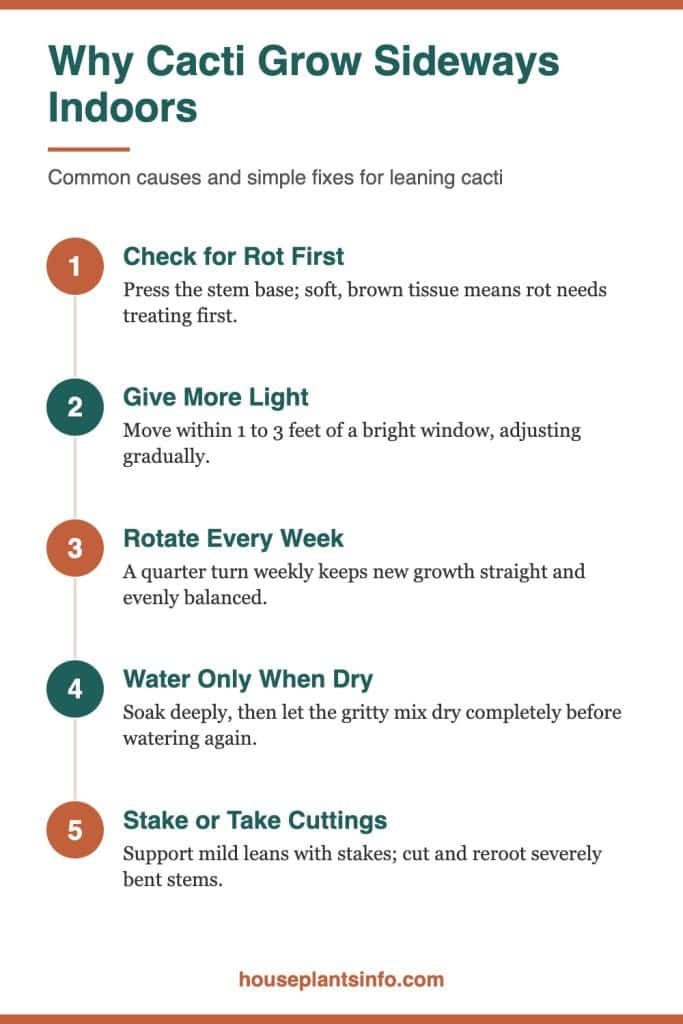
- Press the base of the stem gently. If it feels soft, mushy, or looks brown and translucent, treat it as rot first.
- Look at which direction the cactus leans. If it points toward the window, light is almost certainly the cause.
- Check the new growth at the tip. Thin, pale, narrow growth means the plant is stretching for light.
- Wiggle the plant lightly. If it rocks loosely in the pot, the roots are weak, damaged, or the mix is too loose.
- Inspect the base and the spines for white cotton, tiny bumps, or fine webbing.
Why Is My Cactus Growing Sideways? Light Is the Usual Cause
A cactus growing sideways indoors is most often leaning toward the brightest light it can find. This is called phototropism, and it happens when light reaches the plant from one side only or is too weak overall.
How Uneven Light Bends a Cactus
Cells on the shaded side of the stem grow longer than cells on the bright side. Over weeks, that uneven growth pulls the stem toward the window. The longer the plant sits in one position, the stronger the curve becomes.
Low light also causes etiolation. The new growth comes out narrow, pale green, and soft, with wider spacing between spines. This thinner section cannot support the weight above it, so the stem bends or tips.
You will see the same pattern on paddle cacti. Thin, stretched pads are a classic sign, and this guide on bunny ear cactus growing long and skinny explains how light affects pad shape specifically.
Matching Your Cactus to the Right Window
Most desert cacti want several hours of bright light a day. In a typical apartment, a south or west window gives the most light, while east windows work for gentler species. North windows rarely provide enough light for desert cacti on their own.
Distance matters as much as direction. Light drops off quickly as you move away from the glass, so a cactus 4 to 6 feet back from a window may be getting a fraction of the light it needs.
Sheer curtains, screens, and nearby buildings reduce it further.
Holiday cacti such as Christmas and Easter cactus are forest species. They prefer bright, filtered light and can scorch in strong afternoon sun, so an east window suits them better than a hot west one.
The Fix for Light-Related Leaning
Move the cactus closer to its brightest window, ideally within 1 to 3 feet of the glass. Make the change over 1 to 2 weeks, because sudden full sun can scorch tissue that has grown in dim conditions, leaving pale tan or white patches.
Rotate the pot a quarter turn every week so each side gets equal light. This is the single easiest habit for keeping a columnar cactus straight.
If your windows face north or are shaded, add a full-spectrum LED grow light. Position it about 6 to 12 inches above the plant and run it 12 to 14 hours a day on a timer.

Overhead light encourages straight, upright growth rather than sideways reaching.
The stretched section will not thicken back up. Better light only makes future growth sturdy, so the old bend stays as a record of the dim period.
Sophia’s tip: Put a small piece of tape on one side of the pot rim. Each time you water, turn the tape a quarter turn to the right. You will never have to remember which way you rotated it last.
Leaning From Root Rot or Stem Rot: Cause and Fix
When a cactus suddenly tips over or sags near the soil, rot at the roots or the base is a likely cause. Rotting tissue loses its structure, so the stem can no longer hold itself upright.
Signs That Rot Is Behind the Lean
Rot usually starts below the soil and moves upward. Look for a stem base that feels soft, squishy, or hollow when pressed. The tissue may look brown, black, yellow, or translucent, and the soil may smell sour or musty.
A cactus with root rot often wobbles in the pot because the roots holding it in place have died. Some plants look shriveled even when the soil is wet, because damaged roots cannot take up water.
What Causes Rot Indoors
Overwatering is the main cause, especially in cool rooms where soil stays wet for a long time. Dense potting soil, pots without drainage holes, and saucers that hold standing water all keep roots soaked.
Winter is the riskiest season. A cactus near cold window glass in a Chicago January uses very little water, so a summer watering schedule will leave the mix wet for weeks.
How to Save a Rotting Cactus
Remove the plant from its pot and shake off the soil. Using a clean, sharp knife sterilized with rubbing alcohol, cut away all soft or discolored roots and stem tissue until you reach firm, healthy green or white tissue.
Sterilize the blade between cuts so you do not spread the infection. If the rot has reached well into the stem, cut above it and treat the healthy top as a cutting.
Let the plant or cutting dry in a shaded, airy spot until the cut surface forms a firm callus. Small cuts may take a few days, while thick stems can need 2 to 4 weeks. Then replant in fresh, dry cactus mix.
Wait 1 to 3 weeks before watering again. Afterward, water only when the mix is completely dry. A soil moisture meter or a wooden skewer pushed to the bottom of the pot will tell you whether the lower soil is still damp.

Weak Roots From an Oversized Pot or Loose Soil
A cactus that leans because it cannot anchor itself usually has too few roots for its size or sits in soil that cannot hold it firmly. This often shows up after repotting.
Why a Large Pot Causes Problems
A pot much wider than the root system holds a large volume of soil that roots cannot reach. That soil stays wet for a long time, which weakens roots and invites rot. A cactus with a small, struggling root system tips easily.
Lightweight plastic pots add to the problem. A tall cactus in a light pot can make the whole container top-heavy, so it leans or falls over.
Choosing the Right Pot and Mix
Pick a pot only 1 to 2 inches wider than the root ball for globe cacti, or slightly wider than the stem base for columnar types. Every pot needs a drainage hole.
Terracotta is a good choice for most cacti. It is heavier than plastic, which helps balance tall plants, and its porous walls help the mix dry faster.
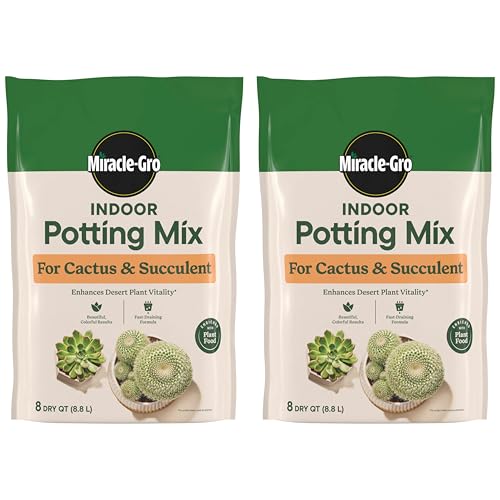
Use a fast-draining cactus mix and add 30 to 50 percent perlite or pumice. A gritty mix drains quickly but still packs around the base firmly enough to support the stem.
Fixing a Wobbly Cactus
If the roots are healthy but the plant wobbles, repot into a smaller, heavier pot with fresh gritty mix. Firm the mix around the base gently, and top it with a layer of small gravel for extra weight and support.
Hold off on watering for about a week after repotting so any damaged roots can heal. Use thick gloves, kitchen tongs, or a folded strip of newspaper to handle spiny plants.
Underwatering and Dehydration
A severely dehydrated cactus can lean or slump because its stem loses the water pressure that keeps tissue firm. This is less common than overwatering, but it happens in hot, dry apartments.
How to Recognize Dehydration
A thirsty cactus looks wrinkled, puckered, or deflated, and the stem may feel slightly rubbery rather than mushy. The soil is bone dry, often pulling away from the sides of the pot.
The key difference from rot is texture. Dehydrated tissue is firm but shrunken, while rotting tissue is soft and discolored. Always check the base before you water a leaning cactus.
Indoor Conditions That Dry Cacti Out
Radiators and forced-air heat vents dry out soil and stems quickly, especially in winter. A cactus on a sill directly above a radiator can lose moisture far faster than one a few feet away.
Hydrophobic soil is another culprit. Old peat-based mix that dries out completely can repel water, so it runs straight through the pot without wetting the roots.
Rehydrating the Right Way
Water deeply until it runs out of the drainage hole, then let the pot drain completely and empty the saucer. If the mix repels water, set the pot in a bowl of water for 20 to 30 minutes so it soaks up from the bottom.
In spring and summer, most indoor cacti need water every 1 to 3 weeks, only when the mix is completely dry. In winter, stretch that to every 3 to 6 weeks or less in a cool room.
A dehydrated cactus usually plumps back up within 1 to 2 weeks. If it stays shriveled after a deep watering, check the roots, because damaged roots cannot absorb water.
Sophia’s tip: Lift the pot right after watering and again when it is fully dry. Once you learn the difference in weight, you can tell when your cactus needs water without disturbing the soil.
Pests That Weaken the Stem
Sap-sucking pests can weaken a cactus enough that it leans, especially when they attack the base or roots. They rarely cause a lean on their own, but they make a light-stressed or root-stressed plant much worse.
Common Pests on Indoor Cacti
Mealybugs are the most common. They look like small white cotton tufts tucked between spines, in crevices, and around the base. Root mealybugs hide in the soil and appear as white, waxy patches on the roots.
Spider mites thrive in dry winter air near heat sources. They cause fine webbing and pale, speckled, rusty, or dusty-looking patches on the stem.
Scale insects appear as small brown or tan bumps that stay fixed in place. They feed on sap and leave the plant weaker over time.
Treating an Infestation
Isolate the cactus from your other plants right away. Dab mealybugs and scale with a cotton swab dipped in 70 percent isopropyl alcohol, reaching between spines with the swab tip.
Repeat every 5 to 7 days for several weeks, because eggs hatch after the first treatment. For heavy infestations, an insecticidal soap labeled for cacti and succulents can help.
If you suspect root mealybugs, unpot the plant, rinse the roots, trim damaged sections, and repot in fresh mix in a clean pot. For a full breakdown of signs and treatments, read about whether can cactus get mealybugs and how to get rid of them.
Cold Damage and Heat Stress Near Windows
Temperature extremes can damage cactus tissue so that the stem softens, collapses, or bends. Cold window glass in winter and hot, enclosed sills in summer are the usual problems indoors.
What Cold Damage Looks Like
Most indoor cacti prefer temperatures between 60 and 80°F. Many desert species tolerate short dips into the 40s when kept dry, but frost and prolonged cold below about 40°F can injure tissue.
Cold-damaged areas turn soft, mushy, or water-soaked, then become brown or black. If the damage is near the base, the stem can bend and fall over. Leaves or stems touching icy glass are most at risk.
Heat and Draft Stress
On the other side of the year, a south or west sill can get very hot behind glass. Sudden intense sun can scorch the stem, leaving bleached or tan patches on the side facing the window.
Air conditioning vents and forced-air heat create drafts that dry or chill one side of the plant. Uneven stress like this can lead to lopsided growth.
Protecting a Cactus From Temperature Swings
Keep cacti at least 4 to 6 inches from window glass in the coldest months, and move them back further on freezing nights. Avoid placing pots directly above radiators or in the path of vents.
If cold damage has occurred, wait a few days to see how far the soft area spreads. Then cut away the damaged tissue with a sterilized knife and let the healthy section callus before replanting or rerooting.
Top-Heavy Growth and Natural Leaning
Some cacti lean simply because they have grown taller or heavier than their roots and base can support. This is common in columnar species and in plants grown for years without repotting.
When Leaning Is Partly Natural
Tall columnar species such as Peruvian apple cactus and other Cereus can lean as they gain height, especially indoors where there is no wind to strengthen the stem. Clumping cacti may also tilt outward as pups crowd the edges.
Trailing types like rat tail cactus and many holiday cacti grow sideways or downward by nature. If the growth looks healthy, plump, and evenly colored, the habit is normal for the species.
Supporting a Tall Cactus
Insert a bamboo stake or wooden dowel into the soil beside the stem, keeping it away from the main root mass. Tie the stem loosely with soft twine or strips of fabric, never wire, so the ties do not cut into the skin.
Move a tall cactus into a heavier terracotta or ceramic pot to lower its center of gravity. A top layer of gravel or small stones adds weight and keeps the base steady.
How to Straighten or Restart a Leaning Cactus
You cannot bend an existing curve back into a straight stem, but you can support it, correct new growth, or take a cutting and start over. The right choice depends on how severe the lean is and how healthy the plant looks.
Gradual Correction for Mild Leans
For a slight tilt, combine better light, weekly rotation, and a stake. New growth will come in straight, and over time the plant will look more balanced even though the old curve remains.
You can also repot the cactus at a slight angle opposite the lean, so the upper stem sits closer to vertical. Do this only with a healthy root system, and wait a week before watering.
Taking a Cutting From a Badly Leaning Stem
When a stem bends sharply, has a long etiolated section, or has rot at the base, cutting the healthy top is often the best option. Most columnar and jointed cacti root readily.
Cut cleanly above the problem area with a sterilized knife, let the cut end callus, and plant it in dry, gritty mix. Follow a step-by-step guide for growing cactus from cuttings for callus times, rooting times, and watering details by cutting type.
For tall columnar plants, there are size-specific details on how to grow Peruvian apple cactus from cutting. Once the new plant is established, keep it upright by learning how to care for Peruvian apple cactus as it matures.
Caring for the Parent Plant
The remaining base often sprouts new branches near the cut within a growing season. Keep it dry for about a week so the wound can callus, then return it to bright light.
Late spring through early summer is the best time for cutting, since cacti are actively growing and heal faster. Avoid cutting during winter dormancy, roughly November through February in most homes.
Sophia’s tip: Before you cut a tall stem, mark the top side with a soft pencil arrow or a strip of tape. Stem cuttings must be planted right side up, and pieces look identical once they are lying down.
Pet Safety While You Work
The ASPCA lists Christmas cactus as non-toxic to cats and dogs, but pencil cactus, a Euphorbia sold as a cactus, is listed as toxic.
Spines are a physical hazard for any species, so keep drying cuttings and staked plants out of reach of pets and kids.
Your Next Steps
- Press the base of the stem and check the roots to rule out rot before changing anything else.
- Move the cactus within 1 to 3 feet of its brightest window, adjusting gradually over 1 to 2 weeks.
- Rotate the pot a quarter turn every week, or add a grow light running 12 to 14 hours a day.
- Water only when the mix is completely dry, and empty the saucer every time.
- Repot into a snug terracotta pot with gritty mix, and stake tall stems loosely.
- Take a cutting from any stem with a severe bend or rot, using a sterilized knife.
Common Questions About Cactus Growing Sideways
Can a cactus straighten itself out?
The existing bend will not straighten, because cactus tissue hardens as it matures. With better light and regular rotation, new growth comes in upright, and the plant can look more balanced over time.
Is it bad if my cactus is leaning toward the window?
A slight lean is a warning sign rather than an emergency. It means the plant wants more light, so move it closer to the window or add a grow light before the growth becomes thin and weak.
Should I cut off the leaning part of my cactus?
Cut it only if the bend is severe, the stretched section is very thin, or there is rot at the base. A healthy top section can callus and root into a new plant, and the base often branches from the cut.
How do I know if my leaning cactus is rotting?
Rotting tissue feels soft or mushy and often looks brown, black, or translucent near the soil. The plant may wobble in the pot, and the soil can smell sour.
Can I stake a cactus to keep it upright?
Yes, staking works well for tall or top-heavy cacti. Use a bamboo stake placed away from the main roots and tie the stem loosely with soft twine or fabric so it does not scar the skin.

Hi! I’m Sophia, and I love plants – especially an expert in growing house plants. I stay in Chicago, United States of America, and through my blog and social media platforms, provide tips and tricks on how to grow healthy, vibrant plants indoors. Check out more here.