
You find a few flat green segments scattered on the windowsill or the floor below your Christmas cactus, and the plant looks thinner than it did last week.
If you are asking why is my Christmas cactus dropping leaves, the answer is usually in the pot, the window, or the air around it.
The short version: Most Christmas cactus leaf drop comes from watering problems, sudden temperature changes, or stress from being moved.
Overwatering that leads to root rot is the most serious cause, while drafts and dry heat cause quick but recoverable drop. Fix the conditions and the plant usually stops shedding within a few weeks.
This guide covers each cause, how to tell them apart, and exactly what to change in your home.
Check These First
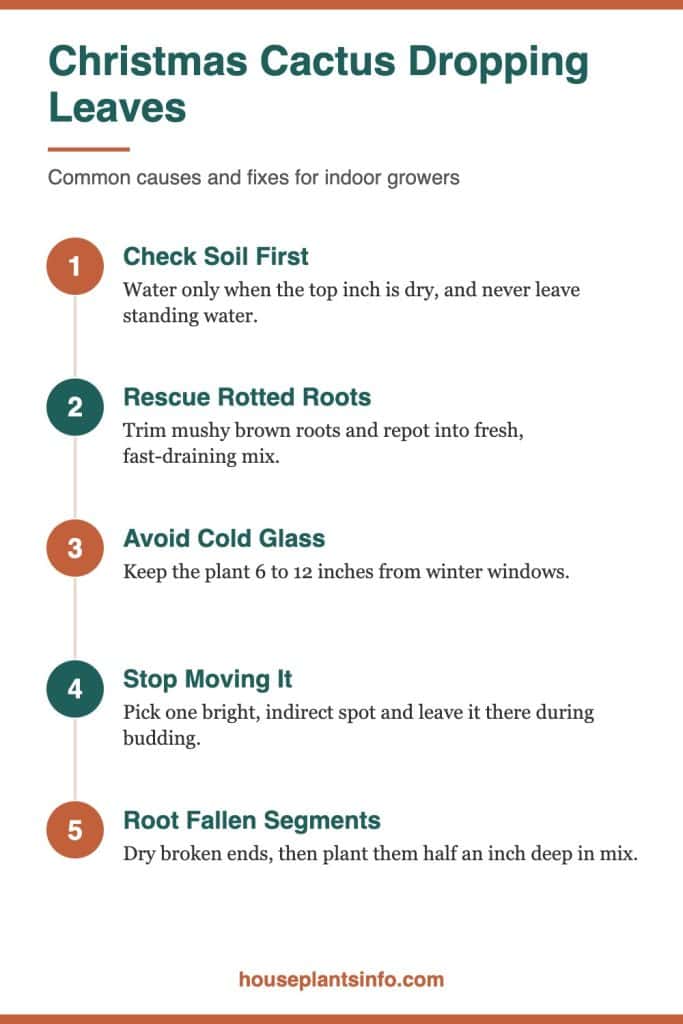
- Push a finger 1 inch into the soil. Soggy soil points to overwatering, and bone-dry soil that pulls away from the pot points to underwatering.
- Look at the fallen segments. Mushy, translucent, or blackened bases suggest rot, while shriveled, thin segments suggest thirst.
- Feel the air near the plant. A cold window, an exterior door, a radiator, or a heating vent within a few feet can cause sudden drop.
- Think back two weeks. A move, a repot, a new window, or bringing it home from the store often explains everything.
- Check the base of the stems for softness and the joints for white fluff or brown bumps, which signal rot or pests.
Why Is My Christmas Cactus Dropping Leaves?
Your Christmas cactus drops leaves because something in its care or surroundings changed faster than the plant could adjust. The “leaves” are actually flattened stem segments, and the plant sheds them at the joints when roots, water, or temperature are out of balance.
What Those Segments Really Are
Christmas cactus is a forest cactus from the humid mountain forests of Brazil, where it grows on tree branches rather than in desert sand. It wants more water and humidity than a desert cactus, but its roots hate sitting wet.
Each segment connects at a narrow joint. That joint is a natural breaking point, so stress shows up as whole segments falling off rather than leaves yellowing slowly on the stem.
Reading the Pattern of Drop
Where segments fall from tells you a lot. Drop from the tips after a cold blast usually means temperature shock, while drop near the soil line with soft stems usually means root or stem rot.
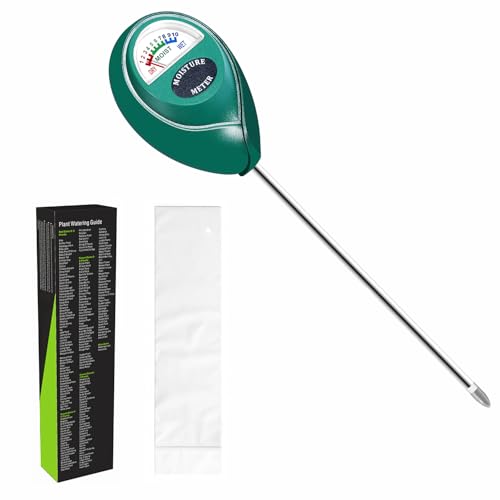
A soil moisture meter takes the guesswork out of checking the root zone, especially in deeper pots where the top inch can feel dry while the bottom stays soggy.
A digital thermometer placed beside the plant overnight will show you whether a window gets colder than you think.
Why Winter Makes It Worse
In a Chicago apartment, winter brings forced-air heat, radiators, single-digit nights pressing on window glass, and indoor humidity that can drop below 30%. These conditions land right when the plant is budding or blooming, its most sensitive stage.
| Symptom on fallen segments | Most likely cause | First fix |
|---|---|---|
| Soft, mushy, dark at base | Overwatering or root rot | Unpot and check roots |
| Thin, wrinkled, shriveled | Underwatering or dry heat | Water deeply, add humidity |
| Firm, green, healthy-looking | Temperature shock or a move | Stabilize location |
| Reddish or purplish before falling | Too much light or cold stress | Move from harsh sun |
| Sticky, spotted, or with white fluff | Pests | Isolate and treat |
Overwatering and Root Rot: The Cause and the Fix
Overwatering is the most common and most dangerous reason a Christmas cactus drops segments. Wet soil starves roots of oxygen, roots rot, and the plant can no longer support its stems.

Signs the Roots Are Suffocating
Look for segments that feel puffy or squishy, stems that wobble at the soil line, and soil that stays damp for more than a week. A sour or musty smell from the pot is a strong sign of rot.
If the segments feel squishy rather than crisp, this guide on Christmas cactus leaves soft walks through how to tell water-logged tissue from dehydrated tissue.
How to Rescue an Overwatered Plant
Slide the plant out of its pot and inspect the roots. Healthy roots are firm and pale tan or white, while rotted roots are brown, black, slimy, and peel away when you pinch them.
Trim every rotted root with clean scissors. Repot into fresh, dry, fast-draining mix in a pot with a drainage hole, then wait 5 to 7 days before watering so cut roots can callus.
If most roots are gone, take healthy segments as cuttings. A plant with a rotted root system rarely recovers, but cuttings root easily.
Watering Correctly From Now On
Water when the top 1 inch of soil is dry, then water thoroughly until it drains out the bottom. Empty the saucer or cachepot within 15 minutes so the roots never sit in standing water.
In most homes this means every 1 to 3 weeks, depending on light, pot size, and season. Plants near a radiator dry faster, while plants in a cool north window dry slowly.
Sophia’s tip: If your plant came from the store in a decorative foil sleeve, remove it or poke holes in the bottom. Those sleeves trap water around the roots and cause more rot than any watering schedule.
Underwatering and Dry Winter Air: The Cause and the Fix
A thirsty Christmas cactus drops segments too, usually after they turn thin, wrinkled, and limp. Dry heat from radiators and forced-air vents speeds this up, especially from November through March.
How Thirst Looks Different From Rot
Underwatered segments feel thin and leathery rather than mushy. The soil is dry well below the surface and may pull away from the sides of the pot.
If your plant looks floppy and you are not sure whether to water, this article on why are the leaves on my Christmas cactus limp covers the difference between thirst and root damage.
Rehydrating a Dry Plant
If the soil has gone bone dry, it may repel water and let it run straight down the sides. Set the pot in a bowl of room-temperature water for 20 to 30 minutes so the mix soaks up moisture from the bottom.
Let it drain fully afterward. Segments that are only mildly wrinkled usually plump back up within a few days, while badly shriveled ones may still fall.
Raising Humidity Indoors
Christmas cactus does best around 50% to 60% humidity, and many heated apartments sit well below 30% in winter. Low humidity alone rarely kills it, but it adds stress that leads to bud and segment drop.
Run a humidifier nearby, group plants together, or set the pot on a tray of pebbles and water so the pot sits above the waterline. Keep the plant at least 3 feet from radiators and heat vents.
Temperature Swings and Cold Drafts: The Cause and the Fix
Sudden temperature changes are a classic cause of fast drop, often within a few days of the shock. Christmas cactus prefers steady temperatures of about 60°F to 70°F during the day and 55°F to 65°F at night.
Where Drafts Hide in an Apartment
Cold glass is the big one. On a winter night, the air within a few inches of a single-pane window can be 15 or more degrees colder than the room, and leaves touching the glass can chill badly.
Exterior doors, drafty sashes, and window AC units cause similar problems. In summer, an air conditioner blowing directly on the plant is just as stressful as a heater.
Heat Sources That Cause Drop
Radiators, baseboard heaters, space heaters, and forced-air registers create hot, dry pockets. A plant sitting on a radiator cover or above a vent can lose moisture and segments quickly.
Temperatures above about 90°F or below about 45°F stress the plant. Brief exposure to frost can kill tissue outright.
Stabilizing the Spot
Move the plant 6 to 12 inches back from the glass in winter, or pull it off the sill at night. Keep it away from doors that open to the outside and out of the direct path of any vent.
Cold stress also changes segment color. If you are seeing a reddish tint along with drop, this explainer on why do Christmas cactus leaves turn purple explains how chill and light trigger that pigment.
Sophia’s tip: Before you blame your watering, tape a cheap thermometer to the windowsill for one night. If it reads below 50°F at dawn, the window is your problem, not the watering can.
Light Changes and Moving the Plant: The Cause and the Fix
Christmas cactus dislikes being moved, especially while it is in bud or bloom. A sudden change in light direction or intensity can make it shed buds and segments as it adjusts.
The Right Light Indoors
Bright, indirect light is ideal. An east-facing window works very well, and a west or south window is fine if the plant sits a few feet back or behind a sheer curtain.
A north window often gives too little light for strong growth and blooming. In that case, a grow light set 6 to 12 inches above the plant for 10 to 12 hours a day fills the gap outside the bud-setting season.

Too Much Sun
Harsh direct afternoon sun, especially through south or west glass in summer, can scorch segments and stress the plant. Stressed segments often blush before they weaken.
If your plant’s segments are tinting reddish, read why are Christmas cactus leaves turning red for how to adjust light. A softer blush is covered in this guide to Christmas cactus leaves turning pink.
New-Plant Shock
Plants bought in bloom often drop buds and some segments after they come home. They moved from a bright, humid greenhouse to a store to a car to your living room, all within days.
Pick one good spot, leave it there, and avoid rotating it while it is in bud. The drop usually stops within 2 to 4 weeks once the plant settles.
Repotting, Soil, and Fertilizer Problems: The Cause and the Fix
Root disturbance and the wrong soil can both trigger segment drop. Christmas cactus likes to be slightly snug in its pot and needs a loose mix that drains quickly.
Transplant Shock
Some drop after repotting is normal, because the roots need time to recover. Keep the plant out of direct sun, water lightly, and hold off on fertilizer for about 4 weeks.
Repot only every 2 to 3 years, or when roots fill the pot, and do it in spring after blooming. Go up just 1 to 2 inches in pot diameter, since a pot that is too large holds excess water.
Choosing a Better Mix
Heavy, peat-only potting soil stays wet too long. A good mix is roughly two parts regular potting mix to one part perlite, or a cactus mix blended with fine orchid bark for extra air.

Terra cotta pots dry faster than plastic, which helps if you tend to overwater. Always use a pot with a drainage hole.
Feeding Without Burning
Fertilize with a balanced houseplant fertilizer at half strength once a month from spring through summer. Stop feeding in early fall so the plant can set buds.
Too much fertilizer builds up salts that damage roots and can cause drop. If you see a white crust on the soil or pot rim, flush the pot with plain water by running water through it for a minute or two.
Pests and Stem Rot: The Cause and the Fix
Pests weaken segments slowly until they fall, while fungal stem rot can collapse whole branches. Both are less common than watering problems but worth ruling out.
Pests to Look For
Mealybugs look like small tufts of white cotton tucked into segment joints and along the soil line. Scale appears as tan or brown bumps that do not wipe off easily, and both leave sticky residue.
Fungus gnats are tiny flies around the soil surface. The adults are mostly a nuisance, but their larvae feed on roots in constantly wet soil and point back to overwatering.
Treating an Infestation
Isolate the plant from your other houseplants. Dab mealybugs and scale with a cotton swab dipped in 70% isopropyl alcohol, then spray the plant with insecticidal soap every 7 to 10 days for several weeks.
For fungus gnats, let the top inch or two of soil dry out between waterings. Yellow sticky traps catch the adults while drier soil breaks the life cycle.
Spotting Stem Rot
Stem rot starts as a soft, dark, water-soaked area at the base of the plant or a main stem. Segments above it wilt and fall even when the soil seems fine.
Cut away healthy segments above the damage and root them as new plants. Discard the infected portion and its soil, and wash the pot with hot soapy water before reusing it.
Is Some Leaf Drop Normal?
Yes, a little drop is normal, especially from older plants and after heavy blooming. A few segments falling occasionally is not a concern if the rest of the plant looks firm and green.
Normal Shedding vs. Real Trouble
Old Christmas cactus plants grow woody bases, and the oldest segments may drop as the plant ages. Bumped or brushed stems also snap at joints easily, especially on a busy windowsill.
Real trouble looks like many segments falling within a week, drop combined with soft or shriveled tissue, or bare branches spreading across the plant.
Bud Drop Is a Separate Signal
Buds dropping before they open usually points to the same stresses: moving the plant, temperature swings, or watering too much or too little during budding. Keep conditions steady from the moment buds form.
To set buds in fall, the plant needs cool nights around 50°F to 55°F and about 12 to 14 hours of uninterrupted darkness each night for roughly 6 weeks. Lamps in the room at night can interfere.
Turning Fallen Segments Into New Plants
Healthy fallen segments are easy to root. Let the broken end dry for a day or two, then set it about half an inch deep in barely moist cactus mix.
Keep it in bright, indirect light and water lightly when the mix dries. Roots usually form within 2 to 6 weeks, and you can tuck the rooted pieces back into the parent pot to fill gaps.
Sophia’s tip: Use cuttings of 2 or 3 connected segments rather than single pieces. They root more reliably and give you a fuller-looking plant sooner.
Pet Safety
The ASPCA lists Christmas cactus as non-toxic to cats and dogs. Chewing on segments can still cause mild stomach upset, so keep fallen pieces swept up if your pets or kids like to nibble.
Your Next Steps
- Check soil moisture 1 inch deep today and adjust watering based on what you find, not on a fixed schedule.
- Move the plant 6 to 12 inches from cold glass and at least 3 feet from radiators, heaters, and vents.
- If segments are soft or the base wobbles, unpot the plant and trim any rotted roots before repotting in fresh mix.
- Pick one bright, indirect spot and stop moving the plant, especially while it is budding.
- Inspect joints and the soil line for mealybugs or scale and treat right away if you find them.
- Root healthy fallen segments so any loss turns into new plants.
Common Questions About Christmas Cactus Dropping Leaves
Will my Christmas cactus recover after dropping leaves?
Most plants recover well if the roots are healthy and you fix the cause quickly. New segments usually appear from the remaining stems in spring and summer. Plants with severe root rot are better saved through cuttings.
How often should I water a Christmas cactus to prevent leaf drop?
Water when the top 1 inch of soil is dry, which often means every 1 to 3 weeks indoors. Water thoroughly, let it drain, and never leave the pot sitting in water. Plants near heat dry faster than those in cool rooms.
Why is my new Christmas cactus dropping leaves and buds?
New plants often drop segments and buds from the shock of moving from a greenhouse to your home. Changes in light, temperature, and humidity all hit at once. Keep it in one steady spot and the drop usually stops within a few weeks.
Can cold windows make a Christmas cactus drop leaves?
Yes, cold glass and drafts are a common cause of sudden drop in winter. Temperatures below about 45°F can damage segments. Pull the plant back from the window on cold nights and keep it away from exterior doors.
Should I cut back a Christmas cactus that is losing leaves?
Only remove segments that are soft, rotted, or badly shriveled. Light pruning after blooming in spring encourages bushier growth. Twist off segments at the joint and root the healthy pieces.

Hi! I’m Sophia, and I love plants – especially an expert in growing house plants. I stay in Chicago, United States of America, and through my blog and social media platforms, provide tips and tricks on how to grow healthy, vibrant plants indoors. Check out more here.