
You are looking at a packet of tiny black cactus seeds on your windowsill, wondering how something so small turns into a spiny little globe.
Learning how to grow a cactus from seed is easier than it looks, and it mostly comes down to warmth, moisture, and light at the right time.
The short version: Sow cactus seeds on the surface of a moist, gritty, sterile mix, cover the container to hold humidity, and keep it at 70 to 85°F under bright, indirect light or a grow light.
Most seeds sprout in 1 to 4 weeks, and you slowly reduce humidity over the next few months.
This guide covers supplies, step-by-step sowing, seedling care, germination problems, transplanting, and winter sowing in an indoor setup.
At a Glance
| Factor | What it needs |
|---|---|
| Light | Bright, indirect light or a grow light 12 to 16 hours a day; no harsh direct sun on young seedlings |
| Water | Mix kept evenly moist until sprouting, then allowed to dry slightly between bottom waterings |
| Humidity | High (covered container) for germination, reduced gradually over 4 to 12 weeks |
| Temperature | 70 to 85°F for germination; seedlings do well at 65 to 85°F |
| Soil | Sterile, fine, gritty mix: cactus soil plus perlite, pumice, or coarse sand |
| Pet safety | Spines are the main risk; keep trays out of reach of pets and kids |
| Difficulty | Easy to sow, moderate to raise; patience is the hardest part |
What Do You Need Before You Sow Cactus Seeds?
You need fresh seeds, a shallow container with drainage, a sterile gritty mix, a clear cover, and a warm, bright spot. A basic grow light makes indoor results far more consistent, especially in a north-facing apartment or during short winter days.
Seeds Worth Starting With
Fresh seeds germinate best. Cactus seed viability drops over time, so seeds older than 1 to 2 years often sprout poorly or not at all.
Beginner-friendly groups include Mammillaria, Echinopsis, Gymnocalycium, Notocactus (Parodia), and Astrophytum. These usually sprout without special treatment and grow at a reasonable pace.
Some cacti, such as Opuntia (prickly pear), have hard seed coats that need extra steps like scarification. Save those for a second attempt.
Containers and Covers
Use shallow pots, nursery cells, or takeout containers with holes poked in the bottom. Anything 2 to 3 inches deep is plenty, since seedlings stay tiny for months.
A clear lid, a humidity dome, or a zip-top plastic bag holds moisture around the seeds. Clear is essential because light reaches the seeds through the cover.
The Right Mix
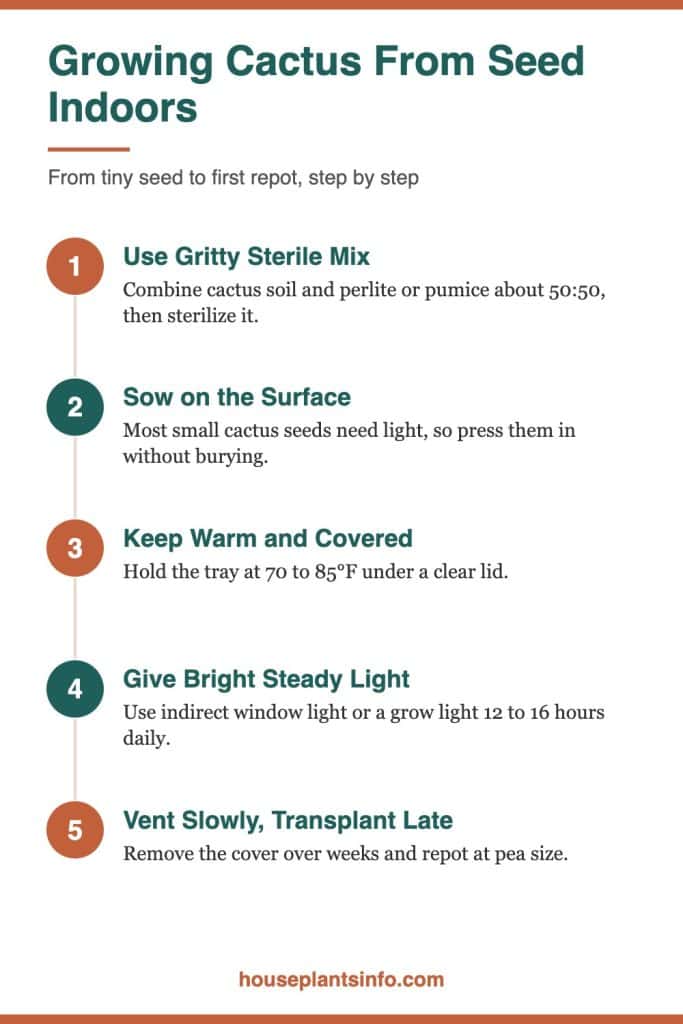
Seedlings need a fine, fast-draining, sterile mix. Combine cactus potting soil with perlite or pumice at roughly 50:50, and sieve out large chunks for the top layer.
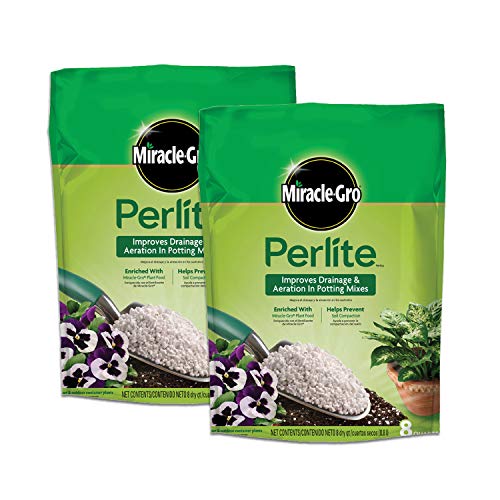
Sterilizing the mix reduces fungal problems like damping off. You can pour boiling water through it and let it cool, or microwave it moist in a covered container until steaming hot throughout.
Warmth and Light
A seedling heat mat keeps the mix in the 70 to 85°F range when your apartment runs cooler. Place a thermometer in the tray so you know the real temperature, not just the room setting.
For light, a bright east window works, but a grow light gives you control. Seedlings under weak light stretch fast, and that weakness is hard to fix later.

How to Grow a Cactus From Seed, Step by Step
The process is simple: prepare a moist, sterile mix, scatter seeds on top, cover the container, and keep it warm and bright until sprouts appear. Follow the steps below in order.
Step 1: Prepare and Moisten the Mix
Fill your container to about half an inch below the rim. Set it in a tray of water and let it soak from the bottom until the surface darkens.
Let excess water drain for a few minutes. The mix should be evenly moist, never puddled or soggy.
Step 2: Add a Fine Top Layer
Sprinkle a thin layer of fine grit, sieved sand, or finely sieved mix across the surface. This gives tiny roots good contact and helps prevent algae and moss.
Gently firm the surface with the bottom of a cup so seeds don’t fall into deep gaps.
Step 3: Sow the Seeds on the Surface
Scatter seeds thinly over the top, aiming for roughly a quarter inch to half an inch between them. Folding a piece of paper into a V and tapping it lightly gives you good control.
Most small cactus seeds need light to germinate, so do not bury them. Press them gently into the surface, or dust them with just a few grains of fine grit for larger seeds.
Sophia’s tip: Label each container with the species and sowing date on a plant tag before you sow. Seedlings of different cacti look nearly identical for months, and you will want to track germination times.
Step 4: Mist and Cover
Mist the surface lightly with a fine spray bottle to settle the seeds. Then cover the container with a clear lid, dome, or plastic bag.
The goal is a humid microclimate where the surface never dries out. Condensation on the inside of the cover is normal and good at this stage.
Step 5: Place in Warmth and Light
Set the container somewhere that holds 70 to 85°F. A heat mat underneath, or the top of a warm appliance, works well if your rooms run cool.
Give bright, indirect light. Keep the container a foot or two back from a south or west window, or place it 4 to 8 inches under an LED grow light running 12 to 16 hours a day.
Step 6: Check Daily and Wait
Look at the container every day. If the surface starts to look pale or dry, mist or bottom water briefly.
Many species sprout in 1 to 4 weeks. Some take several months, so don’t discard a container too soon.
Step 7: Vent the Cover Gradually
Once most seeds have sprouted, begin opening the cover a crack. Increase the gap over several weeks rather than removing it all at once.
This hardening off period is covered in more detail in the watering section below.
Step 8: Let Seedlings Grow On
Keep seedlings in their sowing container until they crowd each other or reach about pea size. This often takes 6 to 12 months.
Young cacti grow better in groups, and early transplanting causes more losses than it prevents.
How Much Light, Heat, and Humidity Do Cactus Seedlings Need?
Seedlings need bright light without scorching sun, steady warmth between 65 and 85°F, and high humidity that drops slowly as they mature. Getting all three balanced matters more than getting any one perfect.
Reading Your Window
An east window gives gentle morning sun that most seedlings handle well. A south or west window can work if you set the tray a foot or two back from the glass or use a sheer curtain.
North windows rarely give enough light, especially in a Chicago winter. Under those conditions, a grow light is close to essential.
Direct midday sun through glass, combined with a closed cover, can cook seedlings within hours. If the inside of the cover feels hot, move the tray.
Using a Grow Light
A full-spectrum LED grow light works well for seedlings. Start with the light 4 to 8 inches above the tray, and run it 12 to 16 hours per day on a timer.
Watch the seedlings. Pale, stretched, leaning growth means too little light, so lower the fixture. Reddish, bronze, or bleached tops mean too much, so raise it.
Keeping Temperatures Steady
Keep trays away from radiators, heat vents, and air conditioning drafts. Sudden swings stress seedlings and dry the mix unevenly.
A slight drop at night, around 5 to 10°F, is natural and fine. Avoid letting seedlings sit below about 60°F for long periods in their first months.
Managing Humidity Without Rot
High humidity helps germination, but stale, constantly wet air invites fungus. Once sprouts appear, lift the cover for a few minutes daily to exchange air.
A small fan on its lowest setting near the tray, not pointed directly at it, gives light air movement that helps prevent mold.
When Should You Open the Lid and Start Watering Less?
Start venting the cover once most seeds have sprouted, and remove it fully over 4 to 12 weeks as seedlings firm up. As humidity falls, shift from constant moisture to letting the mix dry slightly between waterings.
A Simple Hardening Off Schedule
- Weeks 1 to 2 after sprouting: open the cover a crack, about a quarter inch
- Weeks 3 to 4: open it halfway for part of the day
- Weeks 5 to 8: leave it off during the day, replace it at night
- After that: remove it completely if seedlings look plump and firm
If seedlings start shriveling at any stage, step back one level for a week. Dry winter air from forced-air heat may mean a slower schedule.
How to Water Seedlings
Bottom water by setting the container in a shallow tray of room temperature water for 10 to 20 minutes. This keeps the tiny roots moist without washing seedlings out of place.
In the first months, water when the surface just begins to look dry. Once seedlings are a few months old, let the top quarter inch dry out before watering again.
Signs You Are Watering Wrong
Overwatered seedlings turn translucent, mushy, or collapse at the base. Underwatered ones look wrinkled, flat, or shrunken.
Slight puckering after the cover comes off is common. A good bottom watering usually plumps them back up within a day or two.
Sophia’s tip: Feel the weight of the container right after watering and again when the surface looks dry. Within a couple of weeks, lifting the pot tells you more about moisture than staring at the surface.
Why Are Your Cactus Seeds Not Sprouting? Causes and Fixes
Most germination failures come from old seeds, cold temperatures, burying seeds too deep, or a mix that dried out. A few species also need special treatment before they sprout.
Old or Poor-Quality Seeds
Fix: buy fresh seeds and sow them within a year when possible. If you harvest seeds from your own cactus fruit, rinse away all pulp, dry them for a few days, and sow soon after.
Temperatures Too Low
Fix: check the actual temperature at soil level. Below about 65°F, many cactus seeds sprout slowly or not at all, so add a heat mat or move the tray to a warmer spot.
Seeds Buried Too Deep
Fix: resow on the surface. Small cactus seeds usually need light to germinate, so a thick covering of soil can stop them completely.
Mix Dried Out
Fix: keep the cover on and check daily. Even one full day of dry surface can kill a seed that had started to swell.
Hard Seed Coats or Dormancy
Fix: some species, including Opuntia, have hard seeds that benefit from scarification, such as lightly rubbing them with fine sandpaper before sowing. A few cacti from cold climates also respond to a period of cold, moist stratification in the refrigerator for several weeks.
Mold or Damping Off
Fix: fuzzy white growth on the surface or seedlings collapsing at soil level points to fungus. Increase airflow, remove affected seedlings, and use sterile mix and clean containers on your next attempt.
Sprinkling a thin layer of fine grit on the surface also helps keep the area around seedlings drier.
When and How Should You Transplant Cactus Seedlings?
Transplant seedlings once they are crowded or roughly pea to marble size, usually 6 to 12 months after sowing. Move them into slightly larger containers with the same gritty mix, and handle them gently.
Signs It Is Time
- Seedlings are touching or pushing each other sideways
- Roots are coming out of the drainage holes
- The sowing mix is breaking down or staying wet too long
If none of these are true, there is no rush. Slow growth at this stage is normal, not a problem.
How to Move Them
Water a day or two beforehand so roots slide out more easily. Use a spoon, a plant label, or a chopstick to lift small clumps, then separate them carefully.
Plant each seedling at the same depth it was growing before. Wrapping a strip of folded paper or using padded tongs protects your fingers once spines develop.
Aftercare Following Transplanting
Wait 3 to 7 days before watering newly potted seedlings so any broken roots can heal. Keep them in bright, indirect light during this period.
After the first watering, return to your normal routine. Small group pots of 3 to 5 seedlings often settle in better than single plants in large pots.
Seed Versus Cuttings
Seed-grown cacti are slow, often taking 2 to 4 years or more to look like a mature plant. If you want faster results with a column type, you can grow Peruvian apple cactus from cutting and compare the two methods side by side.
Species like Eve’s needle also root easily from pieces, and it helps to know how to grow and care Eve’s needle cactus if you prefer quick, upright growth.
Can You Start Cactus Seeds in Winter Indoors?
Yes, you can sow cactus seeds in winter if you supply warmth and artificial light. Late winter to spring is the easiest time, since natural light is increasing and seedlings get a full growing season ahead.
Making Winter Sowing Work
Winter windows are cold and dim. Pull trays back a few inches from single-pane glass, since temperatures right next to it can drop well below the room average overnight.
A heat mat and a grow light on a timer solve most winter problems. With both, the season matters much less.
Dealing With Dry Indoor Air
Forced-air heat and radiators can drop indoor humidity below 30 percent. Keep the cover on longer than you would in summer, and harden off more slowly.
Don’t place trays directly above or beside a radiator. The bottom heat sounds helpful, but it dries the mix in hours and can overheat roots.
Moving Seedlings Outdoors Later
Most cacti grown from seed should stay indoors for at least the first year. After that, many can spend summer outside if you introduce outdoor sun gradually over 1 to 2 weeks.
Year-round outdoor planting depends on your climate.
If you live in a cooler region, read whether you can cactus grow in Virginia for a sense of which types handle cold, and check will a Peruvian apple cactus grow in zone 8 before planting a column cactus in the ground.
Sophia’s tip: If you sow in winter, plan to keep seedlings under the grow light until outdoor nights stay above 55°F. Moving them to a windowsill in early spring often causes stretching right when growth speeds up.
Are Cactus Seedlings Safe Around Pets and Kids?
The main risk from cacti is physical: spines and glochids can injure mouths, paws, and fingers. The ASPCA lists Christmas cactus (Schlumbergera) as non-toxic to cats and dogs, but always check the specific species you are growing.
Keeping Trays Out of Reach
Seed trays with covers are tempting for curious cats, and a knocked-over tray scatters seedlings everywhere. A high shelf, a closed grow cabinet, or a room pets can’t enter works best.
Small seedlings have soft spines at first, but they stiffen within months. Treat young pots as you would mature cacti once you see firm spines.
A Note on Holiday Cacti
Christmas cactus is a forest cactus, not a desert type, and it prefers a richer, more moisture-retentive mix than the seedlings in this guide. If that’s your main interest, see how to grow a bigger Christmas cactus for care that fits its needs.
Your Next Steps
- Buy fresh seeds of an easy group such as Mammillaria, Echinopsis, or Gymnocalycium.
- Mix cactus soil with perlite or pumice at about 50:50 and sterilize it before sowing.
- Sow on the surface, cover with a clear lid, and keep the tray at 70 to 85°F.
- Set up a grow light 4 to 8 inches above the tray on a 12 to 16 hour timer.
- Start venting the cover once most seeds sprout, and remove it gradually over several weeks.
- Leave seedlings together until they are crowded or pea size, then transplant gently.
Common Questions About Growing a Cactus From Seed
How long do cactus seeds take to germinate?
Most common cactus seeds sprout within 1 to 4 weeks at 70 to 85°F. Some species take several months, especially if seeds are older or temperatures run cool. Keep the mix moist and the cover on before giving up on a container.
Should cactus seeds be covered with soil?
Most small cactus seeds should sit on the surface because they need light to germinate. You can press them gently into the mix or add a very thin dusting of fine grit for larger seeds. Burying them under a thick layer of soil is a common reason they fail to sprout.
How fast do cactus seedlings grow?
Cactus seedlings are slow growers. Many reach only pea to marble size after the first year, and most take several years to look like mature plants. Good light, steady warmth, and consistent watering during the growing season give the best pace.
Can I grow a cactus from the seeds in its fruit?
Yes, many cacti produce fruit with viable seeds. Scoop out the seeds, rinse off all the pulp, and let them dry for a few days before sowing. Keep in mind that seeds from cross-pollinated plants may produce seedlings that look different from the parent.
Why are my cactus seedlings turning red or brown?
A red, bronze, or bleached color usually means the seedlings are getting more light than they can handle. Move the tray farther from the window or raise the grow light a few inches. Brown, mushy bases point to rot from too much moisture, so improve airflow and let the mix dry slightly between waterings.

Hi! I’m Sophia, and I love plants – especially an expert in growing house plants. I stay in Chicago, United States of America, and through my blog and social media platforms, provide tips and tricks on how to grow healthy, vibrant plants indoors. Check out more here.