
You notice a few green segments or pads lying on the windowsill beside your cactus, and the plant suddenly looks thinner than it did last week.
If you are wondering why cactus leaves fall off, the answer almost always comes down to water, light, temperature, or a recent change in the plant’s surroundings.
The short version: Cactus pads and segments usually drop because of overwatering and root rot, which is the most common cause. Severe thirst, cold drafts, sudden heat, low light, or being moved also cause drops.
Check the soil and the base of the stem first, then look at where the plant sits.
This guide covers each cause, how to tell them apart, and how to save the plant and regrow the pieces that fell.
Check These First
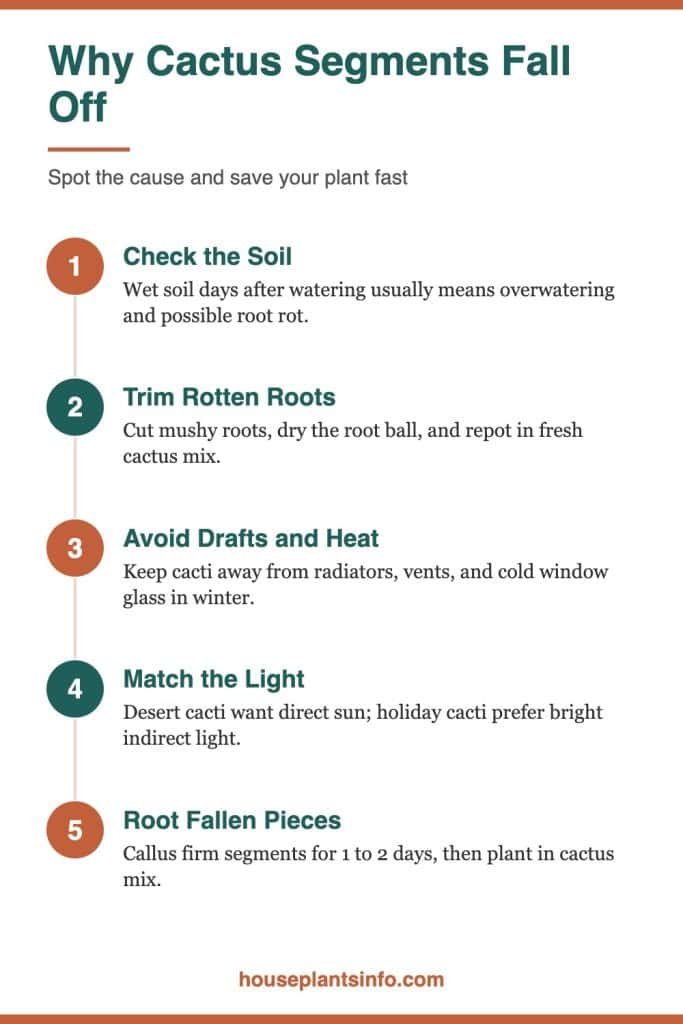
- Push a finger 1 to 2 inches into the soil. If it is wet days after watering, suspect overwatering.
- Squeeze the base of the stem gently. Mushy, brown, or black tissue points to rot.
- Look at the fallen pieces. Shriveled means thirst, soft and translucent means too much water or cold, and firm and green often means stress or a bump.
- Note what changed in the last two weeks: a new spot, a repot, the heat turning on, or a cold snap near the window.
- Check under the segments and in the joints for white fluff, brown bumps, or fine webbing.
Why Cactus Leaves Fall Off and What Counts as a “Leaf”
Most cacti have no true leaves, so the “leaves” that fall are usually stem segments or pads storing water. They drop when the plant is stressed at the roots or reacts to a sudden change in its environment.
Segments, Pads, and True Leaves
Holiday cacti, such as Christmas, Thanksgiving, and Easter cactus, grow in flat jointed segments. Prickly pear cacti grow in rounded pads. Both detach at the joint when stressed, which is a survival trait, since many fallen pieces can root and grow.
A few cacti do have real leaves. Young prickly pear pads sprout tiny cone-shaped leaves that fall off on their own within weeks. Leafy cacti in the Pereskia group may drop leaves during cooler, drier months. Neither case is a problem.
Normal Shedding Versus a Warning Sign
One or two older segments falling after a bump is normal. A steady drop of pieces over days, especially soft or discolored ones, signals a care issue that needs attention.
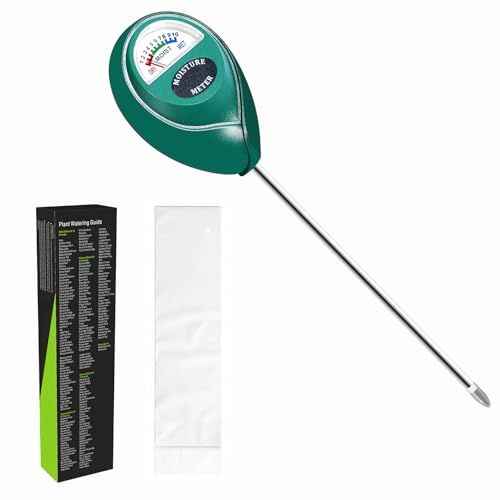
A soil moisture meter takes the guesswork out of watering, since the top inch of soil can feel dry while the root zone stays soggy.
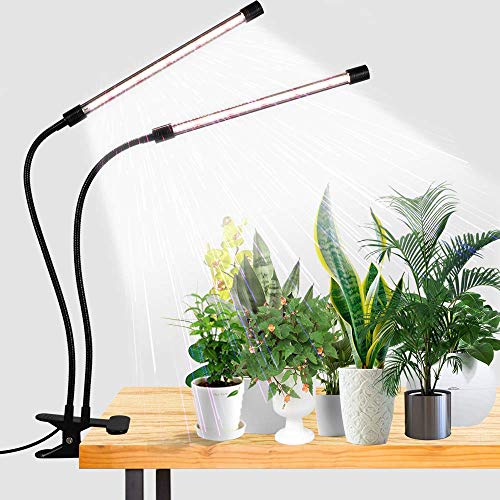
If your cactus sits in a dim apartment, a full-spectrum grow light placed 6 to 12 inches above the plant can fill the gap in winter.
Overwatering and Root Rot: Cause and Fix
Overwatering is the leading reason cactus segments fall off indoors. Constantly wet soil starves roots of oxygen, they rot, and the plant can no longer hold onto its outer pieces.
Signs It Is Too Much Water
Dropped segments from overwatering usually feel soft, mushy, or slightly see-through. The base of the stem may darken, and the soil may smell sour. If you are seeing christmas cactus leaves soft to the touch along with drops, wet roots are the likely cause.

Other clues include fungus gnats hovering over the soil, a pot with no drainage hole, or a decorative cover pot holding water at the bottom.
How to Rescue a Rotting Cactus
Slide the plant out of its pot and inspect the roots. Healthy roots are firm and white to tan. Rotten roots are brown, black, and slip their outer layer when pinched.
- Trim all rotten roots with clean, sharp scissors.
- Let the root ball air-dry for 1 to 3 days in bright, indirect light.
- Repot into fresh, fast-draining cactus mix in a pot with a drainage hole.
- Wait about a week before watering so cut roots can seal.
If the main stem is rotted through, save healthy upper segments or pads and root them as new plants.
Watering Correctly From Here
Desert cacti should dry out completely between waterings. That often means every 2 to 4 weeks in spring and summer, and once a month or less in winter.
Holiday cacti are jungle plants and like a bit more moisture. Water when the top 1 to 2 inches feel dry, then let excess drain fully. Never let any cactus sit in a saucer of water.
Sophia’s tip: Terracotta pots wick moisture out of the soil faster than plastic or glazed ceramic. If your cactus keeps getting soggy roots, switching to unglazed clay with a drainage hole is one of the simplest fixes.
Underwatering and Dry Winter Air: Cause and Fix
Cacti tolerate drought well, but months without water make them pull moisture from outer segments until those pieces shrivel and drop. Holiday cacti are especially sensitive because they come from humid forests.
How Thirst Looks Different From Rot
Thirsty segments look wrinkled, thin, and flat, and they may feel leathery rather than mushy. The soil is bone-dry and may pull away from the pot’s edges.
If you have been asking why are the leaves on my christmas cactus limp, droopy segments with dry soil point here.
Desert cacti that are underwatered tend to pucker or lean before anything falls off. Drops from thirst are less common in desert types than in holiday cacti.
Rehydrating Without Overcorrecting
Give the plant a thorough soak until water runs from the drainage hole. If the soil is so dry that water runs straight through, set the pot in a bowl of water for 15 to 20 minutes, then drain it fully.
Segments should plump up within a few days to a week. Resist the urge to water again until the soil has dried to the right depth.
Winter Heating Makes It Worse
Radiators and forced-air heat dry out soil and air quickly. Indoor humidity can fall to 10 to 30 percent in a heated apartment, which pulls moisture from holiday cacti.
Keep holiday cacti several feet from radiators and heat vents. Grouping plants together or placing a humidifier nearby helps; a pebble tray adds only a small amount of humidity.
Low Light or a Sudden Light Change: Cause and Fix
Too little light weakens a cactus so it grows thin, stretched segments that break and fall easily. A sudden jump to intense sun can also shock it into dropping pieces.
Signs of Not Enough Light
Look for pale green color, narrow or elongated new growth, and stems leaning hard toward the window. This stretching is called etiolation, and the weak growth often snaps at the joints.
Desert cacti need about 4 to 6 hours or more of direct sun daily. A south- or west-facing window works best, ideally within 1 to 3 feet of the glass.
Holiday Cacti Want Gentler Light
Christmas cacti prefer bright, indirect light, such as an east-facing window or a few feet back from a south window. Too much direct afternoon sun can stress them, and segments may change color first.
Learning why are christmas cactus leaves turning red can help you catch light stress before pieces start falling.
Some reddish or christmas cactus leaves turning pink along the edges is a stress response to bright light, cold, or low nutrients rather than a disease.
Adjusting Light Safely
Move a cactus toward brighter light gradually over 1 to 2 weeks. Shifting it from a dim corner straight into a sunny window can scorch it and trigger drops.
In Chicago-style dark winters, a grow light running 10 to 14 hours a day keeps cacti compact. Rotate the pot a quarter turn each week so growth stays even.
Temperature Stress, Drafts, and Frostbite: Cause and Fix
Cold is a major cause of sudden segment drop, especially near drafty windows in winter. Extreme heat close to glass in summer can also damage tissue and cause pieces to fall.
Cold Damage and Frostbite
Most cacti grown indoors do best between 60 and 80°F during the growing season. Many desert cacti tolerate cooler winter nights in the 45 to 55°F range, but frost at 32°F or below can kill tissue.
Cold-damaged segments turn soft, dark, or translucent within a few days. Holiday cacti are less cold-tolerant and are best kept above 50°F. If segments go dark red or purple first, see why do christmas cactus leaves turn purple for details on cold and stress coloring.
Heat and Sunburn
Glass can concentrate heat, and a sill in a west window may climb well above room temperature in summer. Scorched areas look white, tan, or yellow and may become brittle.
Holiday cacti struggle above about 85 to 90°F for long stretches. Desert cacti handle heat better but still burn if moved into strong sun suddenly.
Drafts From AC, Doors, and Windows
Repeated blasts of cold air from air conditioning vents, opening exterior doors, or leaky windows stress cacti even if the room feels comfortable. Move the plant at least a few feet from vents and doors.
Sophia’s tip: On winter nights, slide your cactus back 6 to 12 inches from the glass or close a curtain between them. The air right at a single-pane window can be 10°F or more colder than the rest of the room.
Fixing Temperature Damage
Remove fully mushy segments so rot does not spread. Firm, discolored segments may recover on their own once the plant is in a stable spot. Hold off on fertilizer until new growth appears.
Moving, Repotting, and Holiday Cactus Bud Drop: Cause and Fix
Cacti dislike sudden change. A new location, a fresh repot, or a trip home from the store can all cause a burst of dropped segments or buds.
Relocation Shock
When light, temperature, and humidity shift all at once, a cactus may shed a few pieces as it adjusts. This is common in fall when plants come in from a balcony or patio.
Pick one good spot and leave the plant there. Most cacti settle in within 2 to 4 weeks if care stays steady.
Repotting Stress
Repotting disturbs roots, and broken roots cannot supply water well for a short time. Repot only when roots fill the pot, usually every 2 to 4 years, and ideally in spring.
Go up just one pot size, about 1 to 2 inches wider. A pot that is too large holds extra wet soil and invites rot.
Bud and Segment Drop on Christmas Cactus
Holiday cacti often drop flower buds, and sometimes segments, when moved while budding. Changes in temperature, sudden dry air, and uneven watering are other triggers.
Once buds form, avoid moving or rotating the plant. Keep it at a steady 60 to 70°F and away from heat sources, and water consistently.
Pests and Physical Damage: Cause and Fix
Sap-sucking pests weaken the joints of segments and pads until they fall, and simple bumps can snap pieces off. Both are easy to rule out with a close look.
Common Cactus Pests
- Mealybugs: white, cottony clusters in joints, under segments, or on roots.
- Scale: small, hard brown or tan bumps that scrape off.
- Spider mites: fine webbing and tiny speckles, worse in dry heated air.
- Fungus gnats: small flies around wet soil; larvae can damage roots.
Treating an Infestation
Isolate the plant from your other houseplants right away. Dab mealybugs and scale with a cotton swab dipped in 70 percent isopropyl alcohol, then rinse after a few minutes.
For spider mites, rinse the plant gently and raise humidity. Insecticidal soap works on many soft-bodied pests; test a small area first and repeat every 7 to 10 days until pests are gone.
Bumps, Pets, and Curious Kids
Holiday cactus joints are fragile, and a brush with a curtain or elbow can snap off segments. Cats batting at trailing stems or kids handling the plant cause the same thing.
Place hanging or trailing cacti where foot traffic and pets cannot reach them. A higher shelf near a bright window works well.
Pet Safety
The ASPCA lists Christmas cactus as non-toxic to cats and dogs, though eating it may cause mild stomach upset. Spiny desert cacti are a physical hazard, since spines can injure paws and mouths, so keep them out of reach.
Can You Regrow Fallen Cactus Segments and Pads?
Yes. Healthy, firm fallen segments and pads usually root easily, so a dropped piece can become a new plant. Soft or rotting pieces should be discarded.
Rooting Holiday Cactus Segments
Choose pieces with 2 to 3 connected segments that are firm and green. Let the ends dry for 1 to 2 days until a callus forms.
Insert the bottom segment about a quarter to half an inch deep into slightly moist cactus mix. Keep it in bright, indirect light and water lightly when the top inch dries. Roots usually form in 2 to 6 weeks.
Rooting Prickly Pear Pads
Let a fallen pad callus for several days to a week. Set it upright, pressing the cut end about an inch into dry, gritty cactus mix.
Wait about a week before giving a light watering. Pads usually root within a few weeks; a gentle tug that meets resistance means roots have formed.
Sophia’s tip: Pot several rooted segments together in one small container. Holiday cacti look fuller faster this way, and you can tuck them back into the parent pot if it looks sparse.
What to Do With the Parent Plant
Fix the underlying cause first, or the new plant will face the same problem. Then let the parent recover in a stable spot without fertilizer until it pushes fresh growth.
Your Next Steps
- Check soil moisture 1 to 2 inches down and inspect the stem base for soft or dark tissue.
- Unpot and trim rotted roots if the soil stays wet, then repot in dry cactus mix with drainage.
- Move the cactus away from radiators, heat vents, AC drafts, and cold window glass.
- Match light to the type: direct sun for desert cacti, bright indirect light for holiday cacti.
- Inspect joints and undersides for pests and treat with isopropyl alcohol if needed.
- Callus and root any firm fallen segments or pads as backup plants.
Common Questions About Why Cactus Leaves Fall Off
Will my cactus grow back the segments it lost?
The exact segments will not reattach, but the plant can push new growth from remaining joints and areoles once conditions improve. Expect new segments mostly in spring and summer, when cacti actively grow.
Is it normal for a new Christmas cactus to drop segments?
A few dropped segments or buds are common after bringing a plant home, because store and home conditions differ. Keep it in one bright, steady spot and water evenly, and it should settle within a few weeks.
Why are my prickly pear’s tiny leaves falling off?
Young prickly pear pads grow small, cone-shaped true leaves that fall off naturally as the pad matures. This is completely normal and needs no treatment.
Should I cut off segments that look damaged?
Remove any segments that are mushy, black, or rotting, since decay can spread through the joints. Firm segments with only mild discoloration can stay, as they often recover once the cause is fixed.
How often should I water a cactus to stop segments dropping?
Desert cacti typically need water every 2 to 4 weeks in the growing season and less in winter, once soil is fully dry. Holiday cacti need water when the top 1 to 2 inches are dry, always with full drainage.

Hi! I’m Sophia, and I love plants – especially an expert in growing house plants. I stay in Chicago, United States of America, and through my blog and social media platforms, provide tips and tricks on how to grow healthy, vibrant plants indoors. Check out more here.