
The bloom you waited months for is turning soft, brown, or papery on your windowsill, and a few unopened buds may have dropped onto the sill below.
Finding out why the flowers on your cactus are dying is usually simple, because most causes leave clear clues on the buds, the stems, and the soil.
The short version: Many cactus flowers naturally last only one to several days, so a fading bloom is often normal.
When buds drop before opening or flowers collapse early, the usual causes are watering mistakes, sudden temperature changes, moving the plant, low light, or root and stem problems.
This guide covers each cause, how to tell them apart, how to care for a blooming cactus, and how to get stronger flowers next season.
Check These First
- Look at the calendar. If the flower opened two or three days ago, it may simply be finishing its natural life.
- Push a finger 1 to 2 inches into the soil. Bone-dry or soggy soil points to a watering problem.
- Check the plant’s spot. Note any radiator, heating vent, AC vent, or cold window glass within about 2 feet.
- Ask whether you moved or turned the pot recently. Buds often drop within a week of a change in position.
- Squeeze the stem gently near the soil line. Softness, dark patches, or a sour smell suggest rot, which matters more than the flowers.
Is It Normal for Cactus Flowers to Die So Quickly?
Yes, in many cases it is. Cactus flowers are short-lived by design, and a bloom that wilts after one to a few days is usually healthy behavior, not a sign of trouble.
How Long Common Cactus Flowers Last
Bloom length varies widely by type. Some cacti open a flower for a single night, while holiday cacti can keep individual blooms for about a week.
| Cactus type | Typical single-flower lifespan | Notes |
|---|---|---|
| Echinopsis (Easter lily cactus) | About 1 day | Often opens in the evening, fades by the next afternoon |
| Night-blooming cereus and Epiphyllum | 1 night to 2 days | Many open after dark and close by morning |
| Mammillaria | Several days to 2 weeks | Small flowers often form a ring around the crown |
| Gymnocalycium and moon cactus | Several days to about 1 week | Moon cactus is grafted onto a green rootstock |
| Christmas and Thanksgiving cactus | About 5 to 10 days | Buds open in sequence, so the display lasts weeks |
| Easter cactus | Several days to about 1 week | Blooms in spring after a cool rest |
Signs the Fading Is Natural
A naturally finished flower usually closes, shrivels from the tips inward, and dries to a papery husk. The stem under it stays firm and green, and nearby buds keep developing.
If pollination happened, the base of the flower may swell into a small fruit. That is normal and does not harm the plant.
How to Tell When It Is Not Normal
Trouble looks different. Buds that drop while still closed, flowers that turn mushy instead of papery, or blooms that brown within hours of opening suggest an outside stress.
A soil moisture meter is useful here, because it shows whether the root zone is wet or dry without disturbing the plant.

If buds dropped during a dark Chicago-style winter, a small grow light placed 6 to 12 inches above the plant can steady the next round of buds.
Why Are the Flowers on My Cactus Dying? Start With Watering
Watering mistakes are the most common reason flowers and buds fail early. Both extremes cause problems: too little water starves developing buds, and too much water damages the roots that feed them.
Underwatering During Bud Formation
Flowers are mostly water, and a plant forming buds needs a bit more moisture than it did during its dry winter rest. If the soil stays completely dry for weeks after buds appear, the plant may abort them to protect its stems.
Signs include buds that shrivel and fall while small, wrinkled or thin-looking stems, and soil pulling away from the pot edges.
Overwatering and Soggy Soil
Too much water is the more dangerous mistake. Saturated soil cuts off oxygen to the roots, and damaged roots cannot support flowers.
Look for buds that turn yellow or translucent, flowers that rot at the base, and soil that stays wet for more than a week. A pot without a drainage hole or a decorative cachepot holding standing water is a frequent culprit.
The Fix
For desert cacti in bloom, water deeply when the top 1 to 2 inches of soil are dry, then let excess drain fully. Empty saucers within 15 minutes.
For holiday cacti, which come from forest habitats, keep the soil lightly moist but never soggy while buds and flowers are present. Water when the top inch feels dry.
Sophia’s tip: Lift the pot right after a thorough watering, then lift it again a few days later. Learning the difference in weight helps you water on the plant’s schedule instead of a calendar.
Heat, Drafts and Dry Air: Temperature Stress and the Fix
Sudden swings in temperature are a classic cause of bud drop and early wilting. Buds respond badly to blasts of hot or cold air, and indoor heating seasons create plenty of both.
Radiators and Forced-Air Heat
A cactus sitting on or near a radiator, or in the path of a forced-air vent, can lose buds within days. The dry, hot air speeds water loss from tender petals and buds faster than roots can replace it.
Flowers in these spots often brown at the edges, open briefly, then collapse.
Cold Glass and AC Drafts
The opposite problem shows up near windows in winter. On a freezing night, the air a few inches from single-pane or older glass can drop well below room temperature, chilling buds that touch or nearly touch it.
In summer, an AC vent blowing directly on a blooming cactus causes similar stress. Echinopsis and other summer bloomers are especially exposed to this.
Dry Winter Air
Indoor humidity in heated apartments often falls to 20 to 30 percent in winter. Desert cacti tolerate this well, but holiday cacti prefer moderate humidity, roughly 40 to 60 percent, and their buds may shrivel in very dry rooms.
The Fix
Keep blooming cacti in a stable range, generally about 60 to 75°F during the day for most types. Move pots at least 3 feet from radiators and vents, and keep buds a few inches away from winter glass.
For holiday cacti in dry air, group plants together or place a room humidifier nearby. Misting adds little lasting humidity and is not a reliable fix.
Moving the Plant or Changing Its Light: Bud Drop and the Fix
Moving a cactus once buds have formed is one of the most common reasons buds fall off before opening. This is especially true for Christmas, Thanksgiving, and Easter cacti.
Why Moving Causes Bud Drop
Buds orient themselves toward the light source as they develop. A sudden change in light direction, intensity, or temperature can make the plant shed buds it can no longer support.
Store-bought plants often drop buds in the first week or two at home for this reason. The move from greenhouse to car to living room is a big change.
Gas From Ripening Fruit
Ethylene gas, released by ripening fruit such as apples and bananas, can trigger bud and flower drop in many plants, including holiday cacti. A cactus kept next to a fruit bowl may lose buds faster than expected.
The Fix
Pick a bright spot before buds form, then leave the plant there until flowering ends. Avoid rotating the pot once buds are visible.
If you must move it, choose a location with similar light and temperature. Keep blooming plants away from fruit bowls and kitchen counters where produce ripens.
Sophia’s tip: Put a small piece of tape on the rim of the pot facing the window. If you need to lift the plant to water or clean the sill, set it back with the tape in the same position.
Low Light Before Blooming: Weak Buds and the Fix
When a cactus forms buds in poor light, it often cannot carry them to full bloom. The plant runs short of the energy needed to open flowers and drops some or all of them.
How Window Direction Matters
Most desert cacti need several hours of direct sun to bloom well. A south- or west-facing window is usually best, with the plant placed within 1 to 2 feet of the glass.
East-facing windows can work for holiday cacti and smaller cacti like Mammillaria. North-facing windows rarely provide enough light for most desert cacti to bloom.
Winter Light in Northern Cities
In northern cities, winter days are short and the sun sits low. Even a south window may not give a desert cactus enough light, and plants placed several feet back in the room receive far less.
Signs of low light include stems that stretch thin and pale toward the window, few buds, and buds that stall at a small size.
The Fix
Move the plant close to your brightest window well before the bloom season, not after buds appear. If natural light is weak, a full-spectrum grow light running 12 to 14 hours a day can fill the gap.
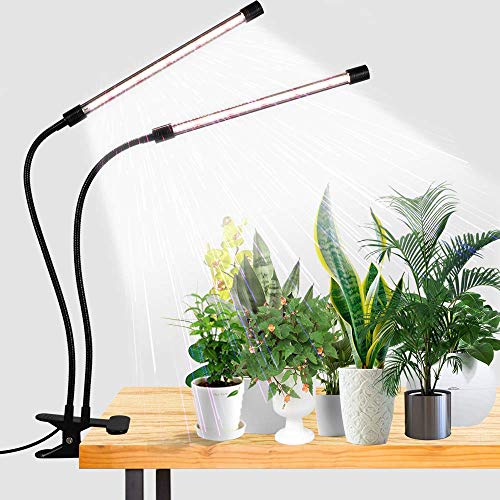
Raise light levels gradually over a week or two. Moving a cactus from dim light straight into strong afternoon sun can scorch it.
Rot, Pests and Root Problems Behind Dying Flowers
Sometimes dying flowers are the first visible sign of a deeper issue. Root rot, stem rot, and pests can all weaken a cactus enough that it abandons its blooms.
Root and Stem Rot
Rot starts below the soil and often goes unnoticed until the plant shows stress above ground. Flowers may wilt, buds may drop, and the base of the stem may feel soft or look darker than usual.
Gently slide the plant from its pot and check the roots. Healthy roots are firm and pale; rotted roots are brown or black, mushy, and may smell sour.
Flower Rot and Fungal Spots
Flowers that stay wet, from overhead watering or high humidity with poor airflow, can develop gray fuzzy mold or brown, slimy patches. This can spread from spent flowers into the stem if left in place.
Pests
Mealybugs, which look like small tufts of white cotton, often hide in areoles and at the base of buds. Spider mites leave fine webbing and pale speckling, especially in dry, heated rooms.
Both pests feed on plant sap, and heavy infestations can cause buds to drop or flowers to open deformed.
The Fix
For rot, cut away soft roots or tissue with a clean, sharp blade, let the cuts dry for several days, and repot into fresh, fast-draining cactus mix. A guide to how to save a dying cactus walks through rescue steps in more detail.
For mealybugs, dab them with a cotton swab dipped in rubbing alcohol. For spider mites, rinse the plant gently and raise humidity around it if possible.
If the whole plant looks unwell rather than just its flowers, the broader signs that a cactus is dying can help you find the main cause.
How Should You Care for a Cactus While It Blooms?
A blooming cactus needs steady conditions more than anything else. Keep light, water, and temperature consistent, and remove spent flowers so they do not rot.
Light and Placement
Leave the plant in the bright spot where its buds formed. Bright light helps flowers open fully and keeps new buds developing.
Keep kids’ curious hands and pets’ tails away from the pot during bloom, since bumping or knocking it can snap off tender buds.
Watering and Feeding
Water slightly more often than during winter rest, but always let desert cactus soil dry partway first. Holiday cacti stay lightly moist.
A diluted fertilizer for cacti or flowering plants, used every 2 to 4 weeks during active growth, supports blooms. Stop feeding in fall and winter for most desert cacti.
Removing Spent Flowers
Once a flower has dried, pinch or snip it off gently. On spiny cacti, use long tweezers to avoid the spines.
If you want fruit or seeds, leave pollinated flowers in place until the fruit forms. Otherwise, removing spent flowers keeps the plant tidy and lowers rot risk.
Pet Safety
The ASPCA lists the Christmas cactus as non-toxic to cats and dogs. The pencil cactus, which is actually a Euphorbia, is listed as toxic, and its milky sap can irritate skin and eyes.

For other cacti, spines are the main risk to pets, so keep pots out of reach.
When Does a Cactus Bloom and How Do You Get More Flowers?
Most desert cacti bloom in spring or summer after a cool, dry winter rest. Holiday cacti bloom in fall, winter, or spring depending on the type, triggered by cooler nights and longer darkness.
Typical Bloom Seasons
| Cactus group | Usual bloom time | Main trigger |
|---|---|---|
| Desert cacti (Mammillaria, Echinopsis, Rebutia) | Spring to summer | Cool, dry winter rest |
| Thanksgiving cactus | Late fall | Long nights and cool temperatures |
| Christmas cactus | Early to mid winter | Long nights and cool temperatures |
| Easter cactus | Spring | Cool rest through winter |
| Moon cactus | Late spring to summer | Warmth and good light |
The Winter Rest for Desert Cacti
Many desert cacti need a rest period of about 2 to 3 months to set buds. Keep them in bright light at roughly 45 to 55°F and water very sparingly, about once a month or less.
In an apartment, a bright, cool room or a spot near a window but away from radiators can work. Plants kept warm and watered all winter often grow but rarely flower.
Darkness and Cool Nights for Holiday Cacti
Christmas and Thanksgiving cacti set buds with about 12 to 14 hours of uninterrupted darkness each night for roughly 6 weeks. Cool nights around 50 to 60°F also encourage buds.
Lamps, TV light, and streetlights can interrupt that darkness. A spare room or a spot away from evening lighting helps.
Sophia’s tip: Starting in early fall, move a holiday cactus to a room you rarely light after sunset. Bring it back to its usual spot once buds are clearly visible, then leave it there.
When a Cactus Will Not Bloom at All
Young plants may simply be too small; many cacti need to reach a certain age or size before flowering. Low light, no winter rest, and too much nitrogen fertilizer are the other common reasons.
Plant-Specific Problems With Popular Cacti
Some popular cacti and cactus-like plants have their own quirks. Knowing what you are growing makes troubleshooting much faster.
Moon Cactus
The colorful top of a moon cactus has no chlorophyll and relies on the green rootstock underneath. Flower problems often trace back to stress in that rootstock, or to the graft weakening over time.
If you are unsure, here is how to tell if your moon cactus is dying.
Pencil Cactus
The pencil cactus rarely produces showy flowers indoors, so dropping stems and yellowing are more common concerns. For rescue steps, see how do you save a dying pencil cactus. Wear gloves when handling it because of the irritating sap.
Zebra Cactus
The zebra cactus is a Haworthia, a succulent rather than a true cactus. It sends up thin flower stalks with small white flowers that naturally dry and fade.
If the rosette itself is softening or browning, read about a dying zebra cactus for causes and fixes.
Holiday Cacti
Christmas, Thanksgiving, and Easter cacti are the most prone to bud drop. They respond strongly to moving, temperature swings, and dry soil while in bud, so stable conditions matter most for them.
Your Next Steps
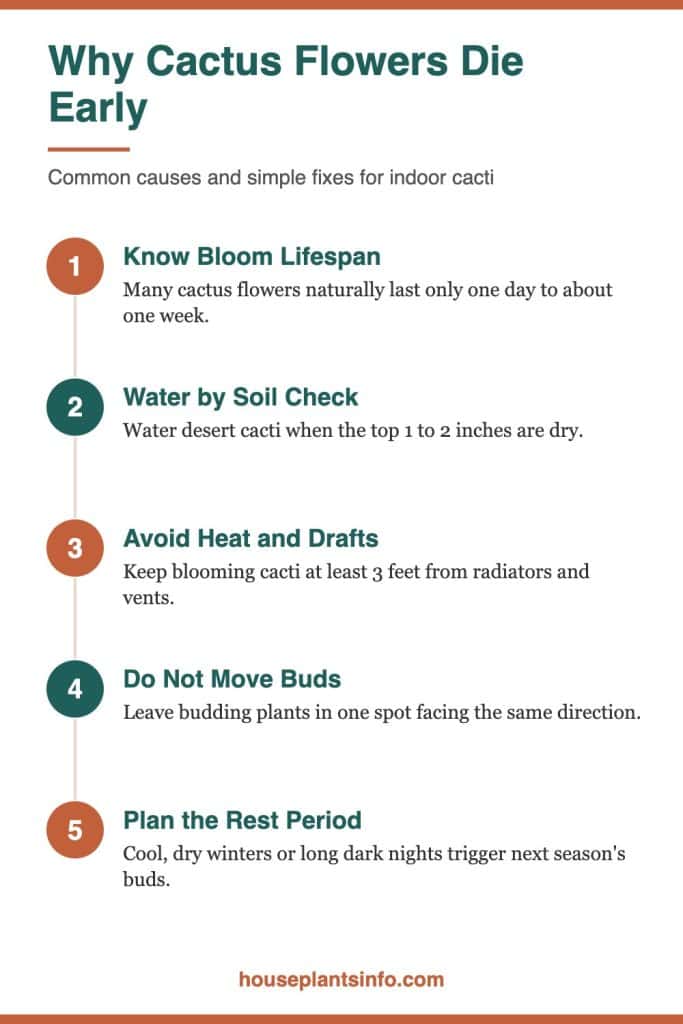
- Check how long the flower has been open before assuming a problem, since many last only one to a few days.
- Test the soil 1 to 2 inches down and adjust watering to the plant’s type and stage.
- Move the pot at least 3 feet from radiators, vents, and AC drafts, and keep buds off cold winter glass.
- Leave a budding plant in one spot, facing the same direction, until flowering ends.
- Inspect the base of the stem and the roots for softness, rot, or pests, and treat any problems promptly.
- Plan next season’s bloom with a cool, dry winter rest for desert cacti or long, dark nights for holiday cacti.
Common Questions About Cactus Flowers Dying
Why do my cactus flowers only last one day?
Some cacti, such as Echinopsis and many night-blooming types, naturally produce flowers that last a single day or night. This is normal and not a sign of poor care. Healthy plants often produce several flowers in a row, which extends the display.
Should I cut off dead cactus flowers?
Yes, removing spent flowers is a good habit unless you want fruit or seeds. Dead flowers can trap moisture and invite mold or rot. Use clean scissors or long tweezers, especially on spiny plants.
Why did all the buds fall off my Christmas cactus?
Bud drop on a Christmas cactus is usually caused by moving the plant, sudden temperature changes, drafts, or dry soil. Exposure to ethylene from ripening fruit can also play a role. Keep the plant in one stable, bright spot with lightly moist soil once buds appear.
Can overwatering make cactus flowers die?
Yes, overwatering is one of the most common causes. Soggy soil damages roots, and a cactus with weak roots cannot support its flowers or buds. Let the top 1 to 2 inches of soil dry before watering desert cacti, and always use a pot with a drainage hole.
Will my cactus bloom again after the flowers die?
Most healthy cacti bloom again the following season with the right conditions. Desert cacti generally need a cool, dry winter rest and bright light, while holiday cacti need long nights and cool temperatures. Some species can rebloom several times in one season.

Hi! I’m Sophia, and I love plants – especially an expert in growing house plants. I stay in Chicago, United States of America, and through my blog and social media platforms, provide tips and tricks on how to grow healthy, vibrant plants indoors. Check out more here.