
You notice the flat green segments on your Christmas cactus have gone thin, limp, and creased, like a balloon that lost half its air.
The short version: Wrinkled segments mean the plant is losing more water than it can hold.
Sometimes it simply needs a drink, but just as often the roots are damaged by rot, cramped, or stressed by heat, sun, or pests, so they cannot deliver water even when the soil is wet.
This guide walks through each cause, how to tell them apart, and exactly what to do so the segments plump back up.
Check These First
- Push a finger 1 to 2 inches into the soil. Bone dry points to underwatering; soggy points to root trouble.
- Lift the pot. A pot that feels light as an empty container has gone too long without water.
- Look at where the plant sits. A spot within 3 feet of a radiator, heat vent, or hot south window can dehydrate it fast.
- Gently wiggle the base of the stems. A plant that rocks loosely or smells sour at the soil line may have rotting roots.
- Check the joints and undersides of segments for white cottony fluff, a sign of mealybugs.
Why Does My Christmas Cactus Look Wrinkled?
A Christmas cactus looks wrinkled because its segments store water, and when that stored water runs low, the tissue shrinks and folds. The real question is why the reserve is running low, and the soil condition is your best clue.
Christmas cactus (Schlumbergera) is not a desert cactus. In the wild it grows on tree branches in humid Brazilian forests, rooting into loose debris that drains instantly but stays slightly moist. That background explains most of the problems people see indoors.
What the Wrinkles Are Telling You
The segments act like small water tanks. When roots supply less water than the leaves lose through the air, the plant draws from those tanks, and the segments go thin and puckered.
That shortage can come from two directions. Either there is not enough water available in the pot, or there is plenty of water but the roots cannot move it into the plant.
Reading the Soil Before You Water
This is why you should never water a wrinkled plant on reflex. Pouring water onto a plant with rotting roots makes the wrinkling worse.
A soil moisture meter takes the guesswork out of it, especially in a deep pot where the top looks dry but the bottom stays wet.
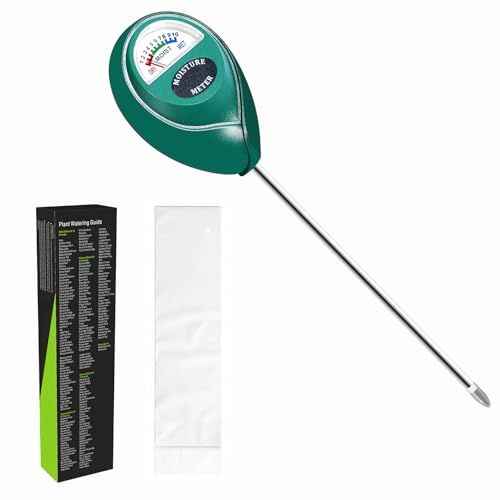
A plain wooden chopstick pushed to the bottom of the pot for a minute works too; if it comes out dark and damp, hold off on watering.
Matching Symptoms to Causes
| What you see | Soil condition | Most likely cause |
|---|---|---|
| Thin, wrinkled segments, firm to the touch | Dry throughout | Underwatering |
| Wrinkled, soft or mushy segments, dark base | Wet or soggy | Root rot |
| Wrinkled despite regular watering, roots out the drain hole | Dries very fast | Rootbound or old soil |
| Wrinkled and reddish or pale | Varies | Too much sun or heat |
| Wrinkling after bloom season, some segment drop | Normal | Post-bloom stress |
| Wrinkles with white fluff or sticky residue | Normal | Mealybugs or scale |
Underwatering: The Most Common Cause and How to Fix It
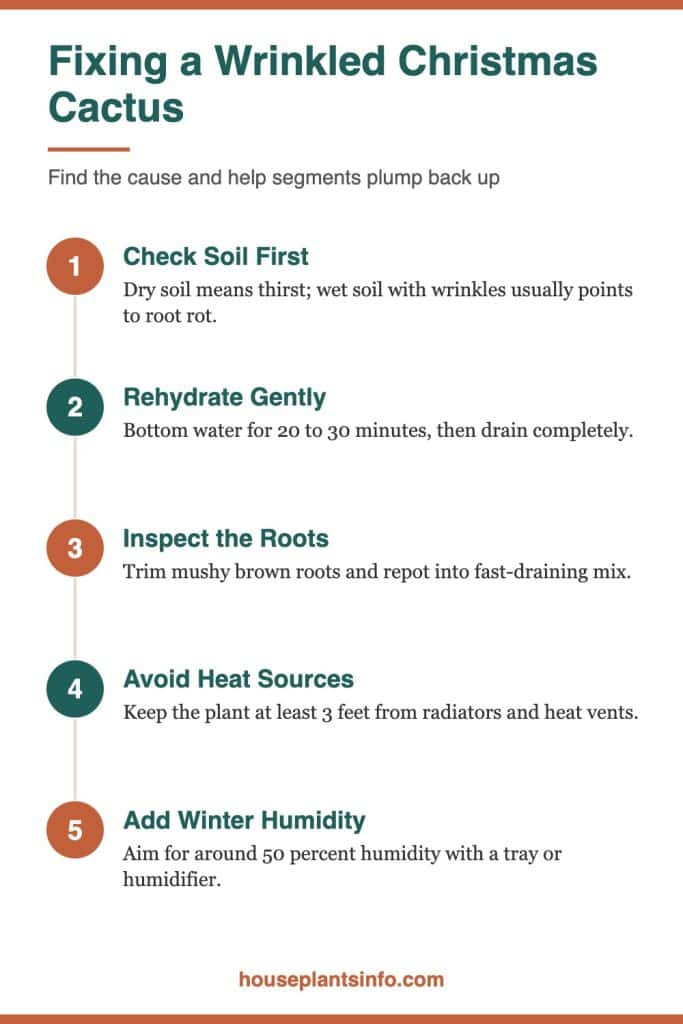
If the soil is dry all the way down and the segments are wrinkled but still firm, your plant is thirsty. This is the easiest cause to fix, and segments usually plump up within a few days to two weeks.
Christmas cactus needs more water than desert cacti. Many people treat it like a succulent and let it go dry for weeks, which leaves the segments shriveled.

How to Rehydrate a Thirsty Plant
Water slowly and thoroughly until water runs out of the drainage hole. If the soil has pulled away from the pot edges, water may rush straight through without soaking in.
In that case, bottom water. Set the pot in a bowl with 1 to 2 inches of room-temperature water for 20 to 30 minutes, then let it drain completely. Never leave it sitting in a saucer of water afterward.
Building a Better Watering Routine
During spring and summer, water when the top inch of soil feels dry. In most apartments that works out to roughly every 7 to 10 days, though small pots and warm rooms dry faster.
In fall and winter, growth slows, so let the top 1 to 2 inches dry before watering. Keep the soil lightly moist while buds are forming, since drought during budding often causes bud drop.
Sophia’s tip: Stick a small sticky note on the pot with the date you last watered. When the segments look off, you can see right away whether it has been 4 days or 3 weeks.
Root Rot From Overwatering: Cause and Fix
If the segments are wrinkled but the soil is wet, the roots are probably rotting. Dead roots cannot absorb water, so the plant dehydrates while sitting in soggy soil.
This cause is serious and worth checking quickly. Signs include soft or translucent segments, a dark or mushy base where the stems meet the soil, segments dropping at a light touch, and a sour or musty smell from the pot.
If your segments feel more squishy than creased, read about christmas cactus leaves soft for more on that symptom.
How to Check the Roots
Slide the plant out of its pot and gently loosen the soil. Healthy roots are firm and white to light tan.
Rotted roots are brown or black, mushy, and may slip off like a wet sleeve when you pull them. If most of the root system looks like this, act right away.
Saving a Plant With Root Rot
- Trim away every soft, dark root with clean scissors, wiping the blades with rubbing alcohol between cuts.
- Remove any mushy stem sections down to firm, healthy tissue.
- Repot into fresh, fast-draining mix and a clean pot with a drainage hole.
- Wait 5 to 7 days before watering lightly, giving cut roots time to callus.
- Keep the plant in bright, indirect light and out of cold drafts while it recovers.
When to Start Over From Cuttings
If the base is rotted through, the main plant may not recover. Christmas cactus roots easily from healthy segments, so this is a reliable backup.
Twist off pieces 2 to 3 segments long from firm, green growth. Let them dry for a day or two, then set the bottom segment about half an inch deep in barely moist potting mix. Roots usually form in 2 to 4 weeks.

Preventing Rot Next Time
Use a pot with a drainage hole, every time. Decorative pots without holes trap water at the bottom where you cannot see it.
A good mix for Christmas cactus is regular potting soil combined with perlite, orchid bark, or both, roughly 1 part additive to 2 parts soil. This mimics the loose material the plant grows in naturally.
Rootbound Plants and Worn-Out Soil: Cause and Fix
If you water regularly but the plant still wrinkles, check whether the roots have filled the pot. A dense root mass leaves little soil to hold water, so the pot dries out within a day or two.
Christmas cactus does like to be somewhat snug, and a slightly crowded pot encourages blooming. The trouble starts when roots circle tightly, push out the drainage hole, or lift the plant up out of the pot.
Signs the Pot Is Too Small
- Roots poke out of the drainage hole or show on the soil surface.
- Water runs straight through and the soil dries within 1 to 2 days.
- The plant has not been repotted in 3 years or more.
- Old soil looks hard, crusty, or shrunken away from the pot sides.
Repotting Without Shocking the Plant
Move up only one pot size, about 1 to 2 inches wider than the current one. A pot that is too large holds excess wet soil around a small root ball, which invites rot.
The best time to repot is in late winter or spring, after flowering finishes. You can learn more about timing in this guide on when to transplant christmas cactus. Avoid repotting while buds are forming, since disturbance often causes them to drop.
Salt Buildup in Old Soil
Over time, minerals from tap water and fertilizer accumulate in the soil. A white crust on the soil surface or pot rim is a common sign.
High salt levels make it harder for roots to take up water, which can cause wrinkling even in moist soil. Flush the pot by running plain water through it for a couple of minutes, or repot into fresh mix.
Feed only during active growth at half strength, and check out when to fertilize christmas cactus to get the timing right.
Heat, Dry Air, and Radiators: Cause and Fix
Heat and dry indoor air pull moisture out of the segments faster than the roots can replace it. In winter, this is one of the most overlooked reasons for wrinkling, especially in apartments with radiators or forced-air heat.
Christmas cactus is happiest at about 60°F to 70°F during the day, with cooler nights around 50°F to 65°F. A plant sitting near a radiator may be dealing with 80°F or more on one side.
Finding a Better Spot in a Heated Apartment
Keep the plant at least 3 feet from radiators, baseboard heaters, space heaters, and heat vents. Air blowing directly on the plant dries it out quickly.
Also watch for the opposite problem. A windowsill can drop well below 50°F on a cold night, and segments touching icy glass can be damaged. Pull the plant a few inches back from the glass in winter.
Raising Humidity Around the Plant
Indoor winter air often falls to 20 to 30 percent humidity, while Christmas cactus prefers around 50 percent or higher. You can close that gap without much effort.
- Set the pot on a tray of pebbles with water just below the pot base.
- Group it with other houseplants to create a slightly moister pocket of air.
- Run a small humidifier nearby during heating season.
- Keep it out of the path of AC vents in summer, which also dry the air.
Misting gives only a few minutes of benefit and is not a reliable fix on its own.
Sophia’s tip: Put a cheap hygrometer next to your plant for a week in January. If it reads below 35 percent, a humidifier will do far more than adjusting your watering.
Too Much Direct Sun: Cause and Fix
Strong direct sun heats the segments and increases water loss, leaving them thin, wrinkled, and often tinged red or yellowish. Christmas cactus wants bright light, but it is not built for hours of harsh midday sun.
In the forest canopy, this plant gets dappled light filtered through leaves. A south or west window in summer can be too intense, particularly when the plant sits right against the glass.
Sun Stress Versus Natural Color
Reddish or purple segments often show up alongside sun-related wrinkling. That color is a stress response, and it can also come from cold or low phosphorus. For a closer look, see why are christmas cactus leaves turning red.
If the color appears on the side facing the window and the segments feel thin, light and heat are the likely cause.
Where to Put It Instead
An east-facing window is often ideal, offering gentle morning sun. A south or west window works if you place the plant 3 to 5 feet back from the glass or behind a sheer curtain.
In a dim room, a grow light set 12 to 18 inches above the plant for 10 to 12 hours a day works well.
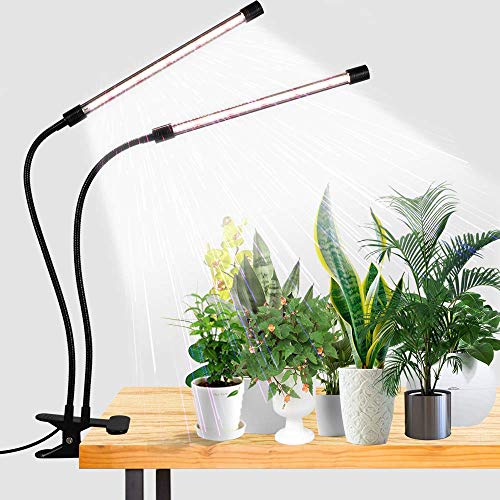
Just remember that from about late September, the plant needs long, uninterrupted nights to set buds, so do not leave lights on late into the evening.
Stress After Blooming or Pests: Cause and Fix
Some wrinkling right after bloom season is normal, because flowering uses a lot of the plant’s stored energy and water. Pests that feed on sap cause a similar look, but they will not go away on their own.
Post-Bloom Recovery
After flowers fade, the plant often looks tired. Segments may soften, wrinkle slightly, or drop a few pieces, especially if it was moved from a store greenhouse into a drier home.
Give it a rest period of 4 to 6 weeks with slightly less water, bright indirect light, and no fertilizer. Light pruning at this stage also encourages fuller growth. This guide on what to do with christmas cactus after flowering covers the full routine.
Checking for Mealybugs and Scale
Mealybugs look like small tufts of white cotton, usually tucked into segment joints and the undersides of stems. Scale insects appear as tiny brown or tan bumps that do not move.
Both suck sap from the plant, which drains moisture and leaves segments wrinkled. You may also notice sticky residue on the segments or surface below.
Treating an Infestation
- Isolate the plant from other houseplants right away.
- Dab visible pests with a cotton swab dipped in rubbing alcohol.
- Spray the whole plant with insecticidal soap, covering the joints and undersides.
- Repeat every 5 to 7 days for at least 3 weeks to catch newly hatched insects.
Root mealybugs live in the soil and show up as white, waxy patches on roots. If the plant wrinkles with no obvious cause above the soil, inspect the roots and repot in fresh mix if you find them.
Sophia’s tip: Inspect segment joints with your phone flashlight every time you water. Catching three mealybugs is a five-minute job; catching three hundred is a month of treatment.
Can Wrinkled Segments Recover, and Is the Plant Safe for Pets?
Yes, wrinkled segments usually recover if the roots are healthy and the cause is corrected. Segments that are only slightly creased often plump up within a week or two of proper care.
Severely shriveled, yellowed, or mushy segments are less likely to bounce back. You can leave them in place as long as they are firm, or snip them off at the joint if they look dead. New growth will fill in during spring and summer.
How Long Recovery Takes
| Cause | Typical recovery time |
|---|---|
| Underwatering | A few days to 2 weeks |
| Heat or dry air | 1 to 3 weeks after moving or adding humidity |
| Too much sun | 2 to 4 weeks after relocation |
| Rootbound or old soil | 2 to 6 weeks after repotting |
| Root rot | 4 to 8 weeks, or restart from cuttings |
| Pests | Several weeks after the infestation is gone |
Pet and Child Safety
The ASPCA lists Christmas cactus as non-toxic to cats and dogs.
A pet that chews a lot of segments may still have mild stomach upset from the plant fiber, so keep it on a shelf or table out of easy reach if you have a curious cat.
The same placement keeps small kids from breaking off segments.
Your Next Steps
- Check soil moisture 2 inches down before you add any water.
- If the soil is wet and the plant wrinkled, unpot it and inspect the roots for rot.
- Move the plant at least 3 feet from radiators and heat vents, and a few inches back from cold glass.
- Add humidity in winter with a pebble tray or small humidifier.
- Look over segment joints for mealybugs or scale each time you water.
- Plan to repot into a slightly larger pot with fast-draining mix in spring if roots fill the current one.
Common Questions About Wrinkled Christmas Cactus
Should I water my Christmas cactus if it looks wrinkled?
Only if the soil is dry 1 to 2 inches down. If the soil is still wet, wrinkling usually means the roots are damaged, and more water will make it worse. Check the roots before watering a plant in soggy soil.
Why is my Christmas cactus wrinkled even though I water it?
The most common reasons are root rot, a rootbound pot that dries out too fast, or heat and dry air pulling out moisture faster than roots can supply it. Mealybugs and salt buildup in old soil can also cause it. Check the roots and the plant’s location first.
How do I fix a limp, wrinkled Christmas cactus fast?
If the soil is dry, bottom water for 20 to 30 minutes and move the plant away from heat and harsh sun. Most thirsty plants firm up within a few days. If the soil is wet, focus on checking for root rot instead of adding water.
Can a Christmas cactus get wrinkled from cold?
Yes. Temperatures below about 45°F to 50°F, or segments touching icy window glass, can damage tissue and reduce root activity, which leads to wrinkling or reddish color. Keep the plant a few inches back from windows on winter nights.
Do wrinkled segments mean my Christmas cactus is dying?
Not usually. Wrinkling is a sign of water stress, and most plants recover once the cause is fixed. It becomes serious when the base turns mushy or black, which points to advanced root rot and may require starting new plants from healthy cuttings.

Hi! I’m Sophia, and I love plants – especially an expert in growing house plants. I stay in Chicago, United States of America, and through my blog and social media platforms, provide tips and tricks on how to grow healthy, vibrant plants indoors. Check out more here.