
Your cactus sits on the windowsill looking a little off: a patch near the base has gone tan or brown, and when you press it gently, it gives like a bruised apple.
If you are asking why is my cactus turning brown and soft, the answer is almost always about water, temperature, or infection. All three can be stopped once you know what to look for.
The short version: Brown, soft tissue on a cactus usually means rot, most often caused by overwatering, poor drainage, or cold, wet conditions. Firm brown patches are a different issue, such as sunburn or natural corking.
Soft rot spreads, so cut it out quickly and fix the watering routine that caused it.
This guide walks through each cause, how to tell them apart, and exactly what to do to save your plant.
Check These First
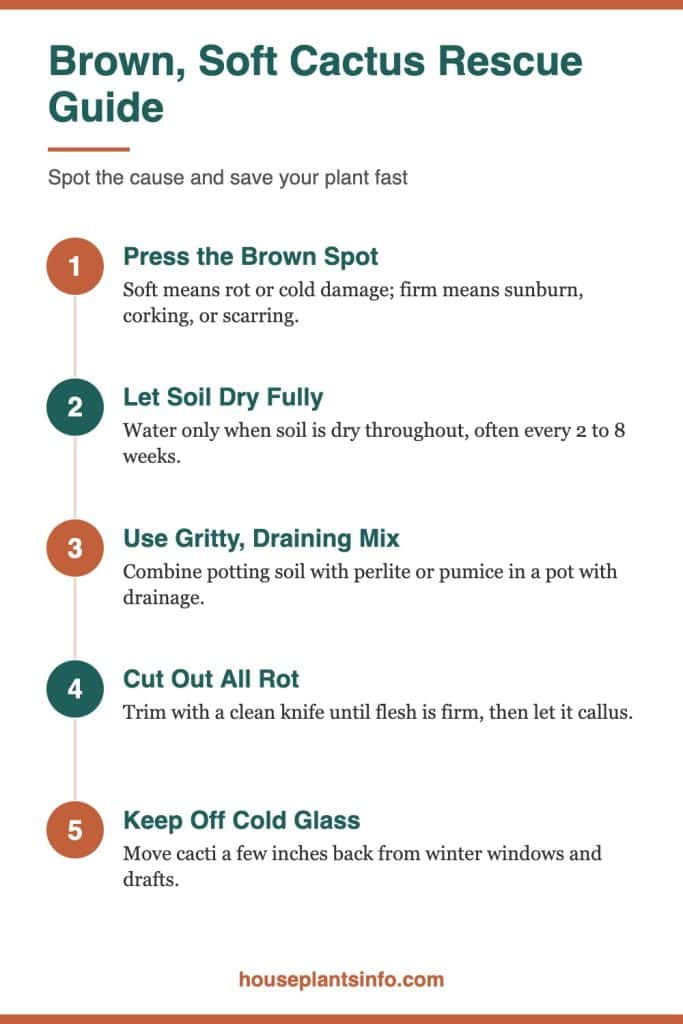
- Press the brown area gently. Soft or mushy means rot or cold damage; hard and dry means sunburn, corking, or an old healed scar.
- Push a finger or wooden skewer 2 inches into the soil. If it is still damp several days after watering, overwatering is the likely cause.
- Lift the pot and look underneath. No drainage hole, or a saucer holding water, points straight to root rot.
- Check where the browning starts. Base-up rot usually comes from the roots; top-down or side spots often come from sunburn, cold glass, or injury.
- Sniff the soil and the damaged tissue. A sour or rotten smell confirms bacterial or fungal rot.
Why Is My Cactus Turning Brown and Soft? Start With Overwatering
Overwatering is the most common reason a cactus turns brown and soft. Cactus roots need to dry out between drinks, and when they sit in moist soil for days, they suffocate and rot, and the decay climbs into the stem.
A cactus stores water in its stem tissue, so it can go weeks without a drink. Indoors, especially in a Chicago-style winter with short days, it uses even less water than in summer.
Watering on a fixed weekly schedule is how most indoor cacti end up mushy.
How Overwatering Shows Up
The first signs are usually at or just above the soil line. The skin turns yellow-tan, then brown, and the tissue feels squishy rather than firm. Sometimes the whole plant starts to lean or wobble because the roots underneath have already broken down.
You may also notice the stem looks swollen or translucent before it browns. That is the cells bursting from too much water.
The Fix for Overwatering
Stop watering immediately. Let the soil dry completely before you water again, which can take 2 to 4 weeks indoors depending on pot size, light, and temperature.
For most desert cacti, water thoroughly only when the soil is dry all the way through. In spring and summer that often means every 2 to 4 weeks; in winter, every 4 to 8 weeks or even less.
A soil moisture meter takes the guesswork out, since the top inch can feel dry while the root zone stays wet.

Light matters too. A cactus in dim light uses water slowly, so soil stays wet longer.
If your only window faces north or sits several feet from the glass, a grow light placed 6 to 12 inches above the plant for 12 to 14 hours a day helps it dry out and grow normally.
Sophia’s tip: Water in the morning, not at night. A cactus that goes into a cool evening with wet soil, especially near a drafty window, is much more likely to rot.
Holiday Cacti Are a Different Story
Christmas, Thanksgiving, and Easter cacti are forest cacti, not desert cacti. They like soil that stays lightly moist and dries only in the top inch or so.
They still rot when waterlogged, but their stress signals look different.
Limp segments are covered in the guide on christmas cactus leaves soft, and color shifts are explained in why are christmas cactus leaves turning red and in the article on christmas cactus leaves turning pink.

Soggy Soil or the Wrong Pot: Fix the Drainage
Even careful watering fails if the soil holds moisture and the pot cannot drain. Dense potting mix and pots without holes keep roots wet for far too long, which leads to brown, soft rot from below.
Signs Your Setup Is the Problem
Regular houseplant potting soil is rich in peat or similar materials that hold water like a sponge. If your cactus came home in that mix, or you repotted it into it, the soil may stay damp for a week or more after watering.
Decorative pots without drainage holes are another common culprit. Water pools at the bottom, out of sight, and the lowest roots rot first. Saucers left full of runoff cause the same problem.
Choosing Soil and Pots That Drain
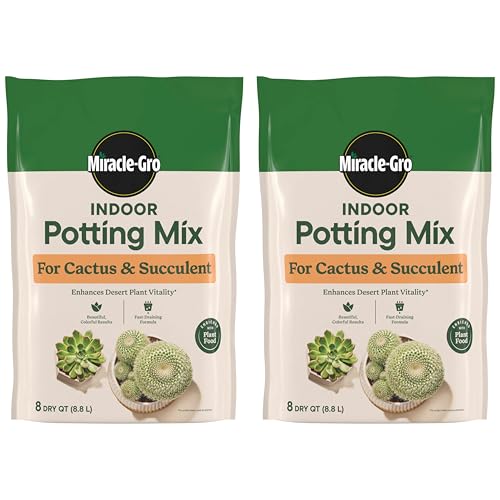
Use a gritty cactus mix, or make your own with roughly half regular potting soil and half coarse material such as perlite, pumice, or coarse sand. Water should run through the pot within a few seconds, not puddle on top.
Pick a pot with at least one drainage hole. Unglazed terracotta is a strong choice for cacti because it pulls moisture out through its walls and helps the soil dry faster.
Size matters as well. A pot only 1 to 2 inches wider than the root ball dries quickly; an oversized pot holds extra wet soil that roots cannot reach, which invites rot.
Repotting Without Causing More Damage
Repot in spring or early summer if possible, when the plant is actively growing. Wear thick gloves or wrap the cactus in folded newspaper to handle it.
Put it into dry mix and wait about a week before watering. That pause lets any broken roots seal over so they do not rot in fresh, damp soil.
Root Rot and Stem Rot: Cut Out the Damage
When brown, soft tissue keeps spreading, you are dealing with active rot caused by fungi or bacteria. The only reliable fix is to remove all infected tissue and get the remaining healthy part into dry conditions.
How to Confirm Rot
Unpot the cactus and inspect the roots. Healthy roots are firm and white to light tan. Rotten roots are dark brown or black, mushy, and often peel away easily when tugged, sometimes with a foul smell.
Inside the stem, rot shows as brown, black, or reddish discoloration in the normally pale green or white flesh. It often travels upward through the center of the stem, so outside damage can look smaller than it really is.
Rot on columnar cacti often darkens to near black as it advances. If you grow a tall type, the guide on peruvian apple cactus turning black covers that pattern in more detail.
Removing Rotten Tissue Step by Step
- Clean a sharp knife with rubbing alcohol before you start and between cuts.
- Cut away all soft, brown, or discolored tissue, including rotten roots.
- Keep slicing in thin layers until the cut surface is completely clean, firm, and evenly colored with no brown streaks or dots.
- Let the plant sit in a dry, bright spot out of direct sun until the cut forms a dry callus, which usually takes several days to 2 weeks.
- Replant in fresh, dry cactus mix in a clean pot, then wait 1 to 2 weeks before watering lightly.
If the rot reaches high into the stem, save the healthy top. Cut it above the rot, let it callus, then root it in dry gritty mix like a cutting.
Sophia’s tip: Look closely at the center ring of each cut. Rot often hides in the vascular core as small brown dots, and leaving even a little behind lets it come back.
Throwing Out Contaminated Soil
Do not reuse soil from a rotted plant. Discard it, and scrub the old pot with hot, soapy water before using it again. Terracotta can be soaked in a dilute bleach solution, then rinsed well and dried completely.
Cold Damage and Frost: Move It Away From the Glass
Cold can turn cactus tissue brown and soft, sometimes within a day. Ice crystals rupture the cells, and the damaged areas later collapse into mushy, dark patches.
Where Cold Damage Happens Indoors
Most desert cacti prefer indoor temperatures of about 50°F to 85°F. Many tolerate cooler winter nights if kept dry, but cold combined with wet soil is a recipe for rot.
In winter, window glass can be far colder than the room. A cactus with its stem touching a single-pane or poorly sealed window can be damaged even when your thermostat reads 68°F.
Cactus left outside on a balcony into fall is also at risk when nights dip near freezing.
What Cold-Damaged Tissue Looks Like
Cold damage often appears on the side facing the window or on the top of the plant. Tissue may look water-soaked or glassy at first, then turns brown or black and soft within a few days.
Unlike root rot, it usually starts in patches rather than climbing from the soil line. The rest of the plant may stay firm.
The Fix for Cold Damage
Move the plant a few inches back from the glass in winter, or slip a sheet of bubble wrap or cardboard between the pot and the window on very cold nights. Keep it out of the path of cold drafts from doors.
Wait a week or two to see how far the damage spreads. If spots stay dry and firm, leave them; they will scar over. If they turn mushy, cut them out as you would with rot and keep the plant dry while it heals.
Heat sources can stress a cactus too. A spot directly above a radiator or in front of a forced-air vent dries and scorches tissue, so give it at least a few feet of distance.
Sunburn vs. Rot: How to Tell Brown Patches Apart
Not every brown patch is soft rot. Sunburn causes browning too, but the tissue stays firm, dry, or crusty rather than mushy. Telling the two apart keeps you from cutting healthy plant tissue.
What Sunburn Looks Like
Sunburn usually shows up on the side facing the window. It often starts as a yellow, white, or bleached patch, then turns tan or brown and becomes dry and corky.
A cactus that looks faded rather than brown may simply be getting too much sun, which is covered in the guide on cactus turning white.
It happens most often after a sudden change. Moving a cactus from a dim room to a south- or west-facing window, or outdoors for summer, can scorch it within days.
Quick Comparison
| Sign | Sunburn | Rot | Cold damage |
|---|---|---|---|
| Texture | Firm, dry, crusty | Soft, mushy, wet | Soft or glassy, then collapses |
| Location | Side facing light | Base or roots, spreading up | Side facing cold glass, or top |
| Color change | Bleached, then tan or brown | Yellow-brown to black | Water-soaked, then brown or black |
| Smell | None | Often sour or rotten | Sometimes, if rot follows |
| Spreads? | No, once light is fixed | Yes, steadily | Stops unless rot sets in |
The Fix for Sunburn
Sunburned tissue will not turn green again, but the plant can grow past it. Move the cactus a few feet back from a south- or west-facing window, or diffuse the light with a sheer curtain.
When you want to increase light, do it over 2 to 3 weeks. Start with a few hours of direct sun and add more gradually, the same way you would introduce a grow light by starting it farther away.

Sophia’s tip: Mark the side of the pot that faces the window with a small piece of tape. Turning the plant a quarter turn every week or two keeps growth even without suddenly exposing a shaded side to full sun.
Brown, Woody Base: Is It Normal Corking?
A hard, brown, bark-like base on an older cactus is usually corking, a natural aging process, not a problem. The difference from rot is simple: corking is firm and dry, while rot is soft.
What Corking Looks Like
Corking typically starts at the soil line and works slowly upward over months or years. The tissue turns tan, gray, or brown and becomes rough and woody, almost like tree bark.
It is most common on columnar cacti and older plants. It helps support the weight of a tall stem and is a sign of maturity.
Corking vs. Rot
Press the brown area firmly. Corking feels hard, like wood, and the healthy green tissue above it stays plump. Rot feels soft or spongy, and the green tissue above may look yellow or shriveled.
If the brown area advances quickly, over weeks rather than seasons, or starts at a soft spot, treat it as possible rot and check the roots.
What to Do About Corking
Nothing. Corking does not need treatment and cannot be reversed. Just keep watering and light appropriate, and avoid scrubbing or picking at the woody area.
Pests, Injury, and Other Causes
Pests, physical damage, and stress from shipping or repotting can open the door to brown, soft spots. These problems often start small and turn into rot if left alone.
Pests That Lead to Brown Patches
Mealybugs look like small tufts of white cotton, often tucked between spines or around the base. Root mealybugs live in the soil and feed on roots, weakening the plant and making it prone to rot.
Scale insects appear as small brown or tan bumps that do not brush off easily. Spider mites cause fine speckling and tan, dry patches, especially in dry winter air from radiators and forced-air heat.
Treat mealybugs and scale by dabbing them with a cotton swab dipped in rubbing alcohol, repeating every week until they are gone. Check roots during repotting and rinse off any white, cottony masses. Isolate an infested plant from your other houseplants.
Bumps, Scrapes, and Pet Damage
A cactus knocked off a shelf, chewed by a curious cat, or scraped while being moved can develop a wound. Most heal into a dry, brown scar.
If the wound stays wet or the plant is overwatered while healing, bacteria can move in and cause soft rot.
Keep a wounded cactus dry for a week or two so the injury calluses. Place plants where kids and pets are unlikely to bump them, both for the plant’s sake and theirs.
Pet Safety
The ASPCA lists the Christmas cactus as non-toxic to cats and dogs. For desert cacti, the bigger risk to pets and kids is physical injury from spines and fine glochids, so keep spiny plants on high shelves or out of reach.
Can a Brown, Soft Cactus Be Saved?
Yes, often it can, as long as some healthy tissue remains. Your chances depend on how far the rot has spread and how quickly you act.
When the Plant Can Recover
If the damage is limited to a few roots or a small area at the base, cut it out, let the plant callus, and repot it in dry, gritty mix. Many cacti recover well and resume growing the following season.
Small cold-damaged or injured spots usually seal off on their own if you keep the plant dry and avoid further stress.
When to Take a Cutting Instead
If rot has reached most of the base and roots, save the healthiest top section. Cut well above any brown, then keep cutting until the flesh is clean.
Let the cutting callus for 1 to 3 weeks, depending on how thick it is. Then set it upright on dry cactus mix, water lightly once roots form, and expect new roots within several weeks in warm, bright conditions.
When to Let Go
If the whole stem is soft, smells rotten, or is brown throughout the core, the plant cannot be saved. Discard it along with the soil, clean the pot, and use what you learned to keep the next one healthy.
Your Next Steps
- Press every brown area to decide whether you are dealing with soft rot or firm sunburn, corking, or scarring.
- Stop watering and check the soil 2 inches down; only water again once it is dry all the way through.
- Unpot any plant with a soft base, trim rotten roots and stem tissue with a clean knife, and let it callus.
- Repot into gritty cactus mix in a pot with a drainage hole, ideally terracotta, and empty saucers after watering.
- Move cacti a few inches back from cold winter glass and away from radiators and heating vents.
- Increase light gradually with a bright window or a grow light, and inspect for pests every few weeks.
Common Questions About Brown, Soft Cactus
Can brown, soft cactus tissue turn green again?
No, damaged tissue does not recover its color or firmness. Once you remove the rot or the damage dries into a scar, the plant can still grow healthy new tissue above or around it.
How often should I water an indoor cactus?
Water thoroughly only when the soil is completely dry, which is often every 2 to 4 weeks in spring and summer. In winter, many indoor cacti need water only every 4 to 8 weeks, or less in cool rooms.
Should I water my cactus after cutting off rot?
No, wait until the cut has fully callused and you have repotted into dry mix. Then hold off another 1 to 2 weeks before watering lightly, so the plant does not take up moisture through fresh wounds.
Why is my cactus brown and soft at the top?
Top-down softness often points to cold damage, water sitting in the crown, or a rot that has spread up through the core. Check the roots and cut the stem open if needed, since internal rot can travel farther than it appears outside.
Is a brown cactus base always a bad sign?
No, a hard, woody base on an older cactus is usually natural corking. It is only a warning sign when the brown area is soft, spreading quickly, or smells bad, which points to rot.

Hi! I’m Sophia, and I love plants – especially an expert in growing house plants. I stay in Chicago, United States of America, and through my blog and social media platforms, provide tips and tricks on how to grow healthy, vibrant plants indoors. Check out more here.