
Your cactus sits on the windowsill looking thinner than it did a month ago, its ribs pinched together and its skin wrinkled like a raisin.
If you are asking why is my cactus shriveling up, the answer almost always comes down to how much water its tissue is holding and whether its roots can still drink.
The short version: Most shriveled cacti are thirsty, either because they have not been watered enough or because damaged roots can no longer take up water.
Feel the base of the stem and check the roots before you water, since the fix for dry roots and rotted roots is opposite.
This guide covers the seven most common causes, how to tell them apart, and how to bring a wrinkled cactus back to a firm, plump shape.
Check These First
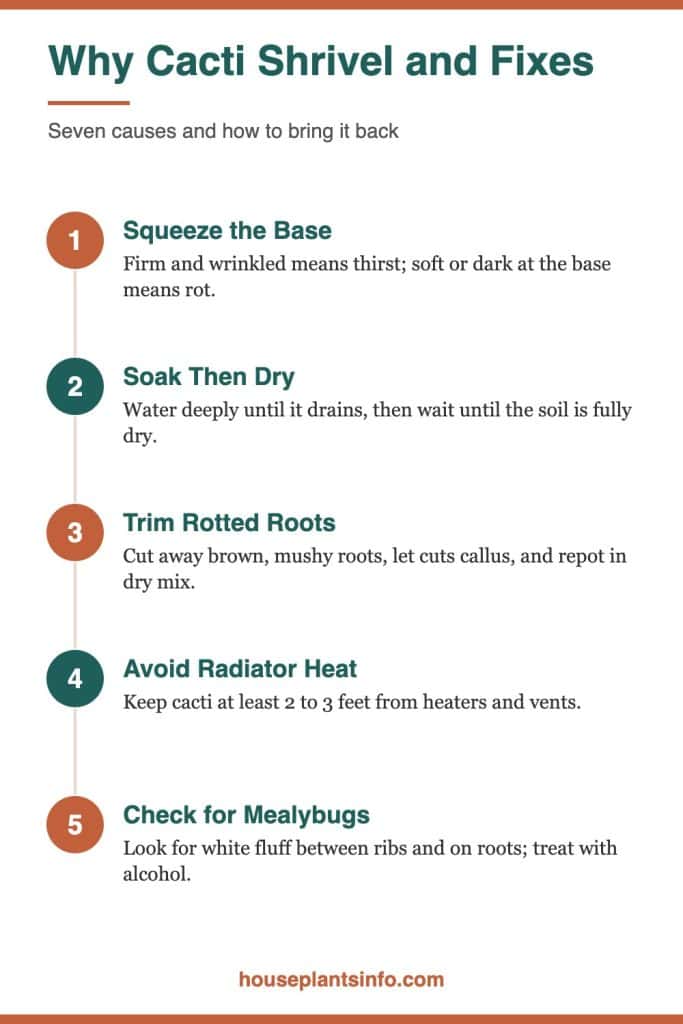
- Press the base of the stem gently. Firm but wrinkled usually means thirst; soft, mushy, or dark means rot.
- Push a finger or wooden skewer 2 to 3 inches into the soil. Bone dry for weeks points to underwatering.
- Look at the date. Mild wrinkling in winter is often normal dormancy, not a crisis.
- Inspect the crevices between ribs and spines for white fluff, webbing, or small brown bumps.
- Tip the pot and check the drainage hole. Roots circling out of it or soil that stays soggy both cause shriveling.
Why Is My Cactus Shriveling Up? Underwatering Is the Usual Cause
Underwatering is the most common reason a cactus shrivels. Cacti store water in their stems, and when that reserve runs low, the stem contracts and the ribs fold inward to reduce surface area.
How Thirst Looks
A thirsty cactus wrinkles evenly from top to bottom, and the stem stays firm when you press it. The color usually stays green, though it may look slightly dull or yellowish. Columnar types often develop deep vertical creases, while round types flatten and pucker.
Many people water cacti too little because they hear these plants “never need water.” In reality, a cactus in active growth needs a deep drink every 1 to 3 weeks indoors, depending on pot size, light, and temperature.
How to Water Correctly
The best method is to soak and dry. Water slowly until it runs out of the drainage hole, let it drain fully, then wait until the soil is completely dry before watering again.
A soil moisture meter helps you read the lower root zone that your finger cannot reach, especially in pots deeper than 4 inches.

A plain wooden chopstick works too: push it to the bottom, wait a minute, and pull it out. If it comes out clean and dry, water.
If the soil has gone so dry that water runs straight down the sides without soaking in, bottom water. Set the pot in a few inches of water for 20 to 30 minutes, then let it drain completely.
Sophia’s tip: Weigh your pot in your hand right after a full watering, then again a week later. Once you learn what “dry” feels like for that pot, you can tell when to water without guessing.
When It Plumps Back Up
A thirsty but healthy cactus usually starts firming up within a few days to two weeks after a deep watering. Severe shriveling may take two or three watering cycles to fully reverse. If nothing changes after a month of correct watering, look at the roots.
Root Rot From Overwatering: The Shrivel That Looks Like Thirst
Overwatering can make a cactus shrivel because rotted roots cannot absorb water, so the stem dehydrates even in wet soil. This is the cause that catches people off guard, since the symptom looks almost identical to thirst.
Telling Rot Apart From Thirst
The difference is in texture and timing. Rot usually starts at the base, where the stem turns soft, translucent, brown, or black. The soil often smells sour or musty, and the shriveling continues or gets worse after you water.
A thirsty cactus is firm throughout. A rotting one feels squishy near the soil line or wobbles in its pot because the roots have broken down.
How to Treat Rot
Unpot the cactus and rinse or brush away the soil. Healthy roots are pale tan to white and firm. Rotted roots are brown, black, hollow, or slough off when you touch them.
Trim all damaged roots with clean, sharp shears. If rot has moved into the stem, cut above it until you see clean, pale green or white tissue with no brown streaks. Wipe the blade with rubbing alcohol between cuts.
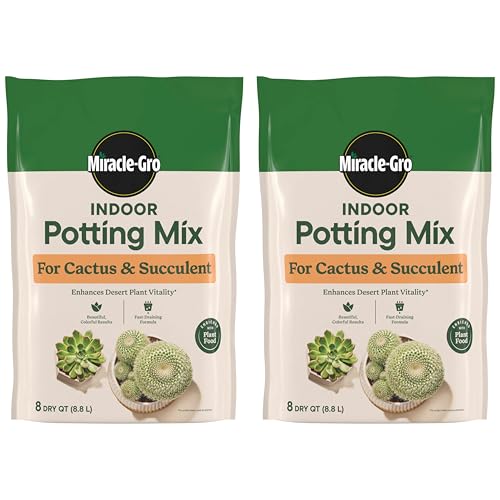
Let the cactus sit dry and out of direct sun for several days to two weeks, until the cut surfaces form a dry callus. Then replant in fresh, dry cactus mix and wait about a week before the first light watering.
Preventing It Next Time
- Use a pot with a drainage hole, every time.
- Choose a gritty mix with perlite, pumice, or coarse sand.
- Empty saucers and decorative cachepots within 15 minutes of watering.
- Water less in cool, dim months, when roots barely drink.
Winter Dormancy and Dry Indoor Heat
Some winter shriveling is a normal part of a cactus’s rest period, but dry forced-air heat and cold drafts can push it too far. Knowing the difference keeps you from overwatering a resting plant.
Normal Winter Wrinkling
Many desert cacti slow down from roughly November through February, when days are short and light is weak. They use stored water slowly, and a little loss of plumpness is expected. This mild wrinkling is actually a sign the plant is resting rather than stretching.
During this time, watering every 4 to 6 weeks is often enough, and some growers keep cacti nearly dry if temperatures stay around 45 to 55°F. In a warm apartment, a light drink every 3 to 4 weeks usually works better.
When Indoor Heat Goes Too Far
Radiators and heating vents dry soil much faster than you might expect. A cactus sitting directly above a radiator or in the path of a forced-air register can lose water quickly and shrivel hard even in its rest period.
Keep cacti at least 2 to 3 feet from heat sources. If the windowsill sits over a radiator, move the plant to a stand or table near the window instead.
Cold Glass and Drafts
The opposite problem also happens. Stems touching a single-pane window in a Chicago January can chill below 40°F, which damages tissue and can cause shriveled, discolored patches. Pull plants a few inches back from the glass on the coldest nights.
Sophia’s tip: On winter nights, slide a sheet of cardboard between your cactus and the window glass. It blocks the coldest air without taking light away during the day.
Too Much Sun or Too Little Light
Light problems cause shriveling in two ways: harsh sun can scorch and dehydrate the stem quickly, while weak light leaves the plant unable to grow or use water well. Either one stresses the tissue.
Sudden Strong Sun
Most cacti love bright light, but a plant moved from a dim room straight into a south or west window, or outside for summer, can sunburn. Burned areas turn white, yellow, tan, or reddish and may shrivel and harden.
Acclimate gradually over 2 to 3 weeks. Start with a few hours of direct sun and increase it slowly. Sunburn scars are permanent, but the rest of the plant will recover once conditions are steady.
Hot glass also matters. A cactus pressed against a west window in July may heat up far more than room temperature suggests. Keeping it 6 to 12 inches back from the glass helps.
Not Enough Light
A cactus in a north window or a few feet into a room may shrivel slowly, stretch thin at the tip, and lose its color. Low light weakens growth and makes it hard for the plant to stay plump between waterings.
Most cacti want at least 4 to 6 hours of direct or very bright light daily. In apartments with limited sun, a full-spectrum grow light placed 6 to 12 inches above the plant for 12 to 14 hours a day fills the gap well.

Matching Light to Watering
Light and water are linked. A cactus in strong light uses water faster and needs it more often. A cactus under weak light needs much less, and watering it like a sun-drenched plant invites rot.
Pests Draining the Sap
Sap-sucking pests can cause a cactus to shrivel, yellow, or develop sunken spots as they pull fluid from the stem. Infestations often hide in the crevices between ribs and at the base.
Mealybugs
These look like small tufts of white cotton tucked between spines, along ribs, or on roots. If you are wondering can cactus get mealybugs, the answer is yes, and they are one of the most common cactus pests indoors.
Root mealybugs are especially sneaky. They feed below the soil line and cause slow shriveling with no visible cause above ground. Check the roots for white, waxy patches when you unpot.
Dab visible mealybugs with a cotton swab dipped in 70 percent isopropyl alcohol. For roots, wash off the soil, trim heavily infested sections, and repot in fresh mix in a clean pot.
Spider Mites and Scale
Spider mites leave fine webbing and tiny pale or tan speckles, often worsening in dry winter air. Scale insects look like small brown or gray bumps stuck to the stem. Both weaken the plant over time.
Rinse spider mites off with a gentle spray of lukewarm water, keeping the soil covered. Scrape scale off carefully or treat it with alcohol. Repeat checks weekly for several weeks, since eggs hatch after the first treatment.
Isolating Affected Plants
Move any infested cactus away from your other plants until the problem clears. Pests travel easily between pots on a shared windowsill.
Root and Soil Problems: Rootbound, Old Mix, or Missing Roots
If watering, light, and pests all check out, the issue is likely below the soil. A cactus can shrivel when its roots are crowded, sitting in broken-down soil, or never formed properly in the first place.
Rootbound Plants
A cactus that has lived in the same small pot for years may fill it with roots until there is little soil left to hold water. It dries out within a day or two and shrivels even with regular watering.
Repot into a container only 1 to 2 inches wider, in spring or early summer. Wear thick gloves or wrap the stem in folded newspaper to handle spiny species.
Old or Compacted Soil
Cactus mix breaks down over 2 to 4 years. It can turn dense and water-repellent, so water channels around the root ball instead of soaking in. Fresh mix fixes this quickly.
Cuttings Without Roots
Freshly propagated cuttings often shrivel because they are living on stored water while they form roots. This is normal for a few weeks. If you plan to grow Peruvian apple cactus from cutting, expect some wrinkling before roots develop.
Shriveling that drags on for months, though, usually signals a rooting problem. Cuttings planted before the cut end calluses, kept too wet, or kept too cool often stall.
If you are dealing with a Peruvian apple cactus not rooting, warmth around 70 to 80°F, bright indirect light, and barely damp mix give it the best chance.
Sophia’s tip: Give a stalled cutting a gentle tug every two weeks. Slight resistance means roots have started, and you can begin watering a little more deeply.
How to Revive a Shriveled Cactus Step by Step
Most shriveled cacti can be saved if the stem is still firm somewhere and the base is not rotted through. The steps below work for nearly every common indoor species.
Diagnose Before Watering
Start with the squeeze test at the base. Firm means you can water; soft means you unpot and check the roots first. Watering a rotting cactus only speeds up the damage.
The Recovery Routine
- Unpot if the plant has not plumped up after one deep watering, or if anything feels soft.
- Trim rotted roots or stem tissue and let cuts callus for several days.
- Replant in fresh, gritty cactus mix in a pot with a drainage hole.
- Place in bright light but not harsh, unfiltered afternoon sun for the first week or two.
- Water deeply once roots are healthy, then let the soil dry completely before the next watering.
- Hold off on fertilizer until you see new growth.
Species Differences
Different cacti shrivel in slightly different patterns. Columnar species like Cereus show deep vertical pleats, and you can read more on how to care for Peruvian apple cactus for its specific light and water needs.
Cylindrical types have their own quirks, covered in this guide to potted Eve’s needle cactus shriveling.
Forest cacti such as Christmas cactus are different from desert types. They want more frequent watering, indirect light, and higher humidity, and their flattened segments go limp and wrinkled when either too dry or rotted.
When to Take a Cutting Instead
If rot has reached most of the base but the top is still healthy and firm, cut off the clean upper section, let it callus, and root it as a new plant. This is often the best way to save a badly damaged columnar cactus.
A Note on Pets
The ASPCA lists Christmas cactus as nontoxic to dogs and cats. For desert cacti, the bigger risk with pets and kids is usually injury from spines, so keep spiny species on high shelves or out of reach of curious paws.
Your Next Steps
- Squeeze the base of your cactus today to decide between watering and checking the roots.
- Test soil moisture 2 to 3 inches down with a skewer or meter before every watering.
- Move the plant at least 2 to 3 feet from radiators and heating vents.
- Inspect ribs, spines, and roots for mealybugs, mites, or scale.
- Repot into fresh, gritty mix if the soil is more than two or three years old.
- Add a grow light if the plant gets fewer than 4 hours of strong light a day.
Common Questions About Cactus Shriveling
Can a shriveled cactus recover?
Yes, a shriveled cactus usually recovers if the stem is still firm and the roots are healthy. A thirsty plant often plumps up within days to two weeks of a deep watering. Severe cases may need two or three watering cycles.
Why is my cactus shriveling after I watered it?
Shriveling that continues after watering often means the roots are rotted and cannot take up water. Check the base for softness or dark tissue and unpot the plant to inspect the roots. Trim any damage and replant in dry mix.
How often should I water a cactus indoors?
Most desert cacti need water every 1 to 3 weeks in spring and summer, once the soil is fully dry. In winter, every 3 to 6 weeks is usually enough. Pot size, light, and room temperature all change the timing.
Is it normal for a cactus to shrivel in winter?
Mild wrinkling in winter is normal for many desert cacti during their rest period. They slow down and use stored water gradually. Heavy shriveling, though, often points to dry heat from radiators or vents.
Should I cut off the shriveled parts of my cactus?
Only cut tissue that is soft, black, or brown from rot. Firm, wrinkled areas are usually dehydrated rather than dead and will often fill back in. Sunburn scars are permanent but do not need removal unless they rot.

Hi! I’m Sophia, and I love plants – especially an expert in growing house plants. I stay in Chicago, United States of America, and through my blog and social media platforms, provide tips and tricks on how to grow healthy, vibrant plants indoors. Check out more here.