
You press a segment on your Christmas cactus by the window and it gives under your finger like a deflated balloon instead of feeling firm and plump.
If you are wondering why are my christmas cactus leaves soft, the answer usually starts at the roots, not the leaves.
The short version: Soft Christmas cactus leaves almost always mean the segments are losing water faster than the roots can supply it.
That happens either because the soil is too dry, or because soggy soil has rotted the roots so they cannot drink. Heat, cold drafts, harsh sun and root problems are the other common triggers.
This guide walks through each cause, how to tell them apart, and the exact fix for each one.
Check These First
- Push a finger 1 inch into the soil. Bone dry points to thirst, while wet and sour-smelling points to rot.
- Lift the pot. A very light pot means dry soil, and a heavy pot days after watering means poor drainage.
- Look at the base of the stems. Brown, mushy tissue where the stems meet the soil is a sign of rot.
- Check the location. Within 2 feet of a radiator, heat vent or a cold, drafty window can stress the plant quickly.
- Notice the texture. Wrinkled and thin is usually dehydration, while soft and translucent or slimy is usually rot or cold damage.
Why Are My Christmas Cactus Leaves Soft? Understanding the Problem
Christmas cactus segments are water storage tissue, so they stay firm only when they are full. When they soften, the plant is drawing on its reserves because water is not reaching the leaves fast enough.
How a Healthy Segment Should Feel
A healthy segment feels firm, slightly waxy and springs back when you bend it gently. The color is a clear medium to deep green, and the edges have defined, slightly scalloped points.
Softness is different from limpness, though the two often appear together. If whole stems are hanging rather than individual segments feeling squishy, my guide on why are the leaves on my christmas cactus limp covers that pattern in more detail.
This Is Not a Desert Cactus
The Christmas cactus is an epiphyte from humid mountain forests in Brazil, where it grows in tree branches and rocky crevices. It wants more water and less direct sun than a desert cactus, which is why treating it like one often leads to soft leaves.

It also hates sitting in wet soil, because its roots evolved to dry quickly after rain. That balance, moist but never soggy, is the heart of solving soft segments.
The Two Opposite Water Problems
Underwatering and overwatering produce surprisingly similar soft leaves. In both cases the leaves are thirsty; the difference is whether the roots are healthy but have nothing to drink, or are damaged and cannot drink at all.
A soil moisture meter takes the guesswork out of telling these apart, especially in pots deeper than 6 inches. A plain wooden skewer works too: push it to the bottom of the pot, wait a minute, and check whether it comes out damp or clean.

| Symptom | Likely underwatering | Likely overwatering or rot |
|---|---|---|
| Soil | Dry, pulling away from pot edges | Wet days after watering |
| Segment texture | Wrinkled, thin, leathery | Mushy, translucent, sometimes slimy |
| Stem base | Firm, normal color | Brown or black, soft |
| Smell | None | Sour or musty |
| Response to watering | Plumps up in 1 to 3 days | Stays soft or gets worse |
Underwatering: Wrinkled, Soft Segments and How to Rehydrate
Thirst is the most common and easiest cause to fix. If the soil is dry through most of the pot and the segments look shriveled, the plant simply needs a thorough drink.
Signs Your Plant Is Thirsty
Dehydrated segments look thinner than usual and may develop fine wrinkles along the surface. The plant may feel light, and the soil often shrinks away from the pot walls, leaving a gap where water runs straight past the roots.
Dry winter air in heated apartments speeds this up dramatically. A plant that needed water every 2 weeks in summer might need it every 7 to 10 days once the furnace runs.
How to Rehydrate Properly
Set the pot in a bowl or sink with 2 to 3 inches of room-temperature water and let it soak from the bottom for 20 to 30 minutes. This rewets compacted, dry soil far better than pouring water over the top.
Then lift the pot out and let it drain completely. Never leave it sitting in the water afterward.
How Fast It Recovers
Mildly wrinkled segments usually firm up within 1 to 3 days. Severely shriveled ones may take a week or more, and a few of the oldest segments might not fully recover.
Sophia’s tip: Water when the top 1 inch of soil feels dry, then soak it until water runs from the drainage hole. A light splash every few days keeps the surface damp while the roots below stay dry.
Overwatering and Root Rot: Mushy Segments and the Fix
If the soil stays wet and the segments are soft, mushy or turning translucent, root rot is the likely cause. This is the most serious reason for soft leaves and needs prompt attention.
How Rot Starts
Constantly wet soil pushes oxygen out of the root zone, and roots begin to suffocate and decay. Fungal and water mold organisms then move in, turning healthy white roots brown and mushy.
Pots without drainage holes, decorative cachepots that collect water, and dense potting soil are the usual culprits. Cool rooms make it worse because soil dries more slowly.
How to Check the Roots
Slide the plant out of its pot and gently loosen the soil. Healthy roots are white or light tan and firm, while rotted roots are dark brown or black, soft, and may pull apart or smell sour.
If only a few roots are affected, you can save the plant in its current form. If most roots are gone, propagation from healthy segments is your best option.
Treating Mild to Moderate Rot
- Trim away all brown, mushy roots with clean, sterilized scissors.
- Remove any soft or blackened segments.
- Let the root ball air dry for several hours to a day in a shaded spot.
- Repot into fresh, fast-draining mix in a clean pot with a drainage hole.
- Wait about a week before watering lightly, so cut roots can heal.
A good mix for this plant is roughly two parts regular potting soil to one part perlite and one part orchid bark, or a cactus mix amended with bark. Choose a pot only 1 to 2 inches wider than the root ball.

Saving a Badly Rotted Plant
If the stem base is mushy, look for healthy, firm stems higher up. Twist off cuttings of 2 to 4 connected segments, let them dry for 1 to 2 days, then set them about 1 inch deep in slightly moist mix.
Cuttings usually root in 3 to 6 weeks in bright, indirect light. Keep the mix barely moist until you feel resistance when you tug gently.
Heat, Radiators and Dry Air: Why Soft Leaves Show Up in Winter
Indoor heat pulls moisture out of segments and soil quickly, and many Christmas cactus owners first see soft leaves in December or January. The fix is moving the plant and adjusting your watering to match the drier air.
Where Heat Causes Trouble
Radiators, baseboard heaters and forced-air vents create hot, dry pockets that can cook a plant sitting on a nearby windowsill. A plant within 2 to 3 feet of a heat source can lose water faster than its roots can replace it.
The Christmas cactus prefers daytime temperatures of roughly 60 to 70°F, with nights a bit cooler. Sustained temperatures above about 80°F stress the plant and can cause soft segments and dropped buds.
Raising Humidity Indoors
These forest plants prefer moderate humidity, ideally around 40 to 60 percent. Winter apartment air often falls to 20 or 30 percent, which pulls water from the leaves.
- Group the cactus with other plants to create a slightly more humid pocket.
- Place the pot on a tray of pebbles and water, keeping the pot base above the waterline.
- Run a room humidifier nearby, which works better than misting.
Misting gives only a brief rise in humidity and can leave water sitting in stem joints. I prefer a humidifier or pebble tray for steady results.
Sophia’s tip: Hold your hand over the radiator or vent nearest the plant. If you feel warm air moving toward the leaves, move the pot at least 3 feet away or to a different window.
Too Much Sun or the Wrong Light
Strong direct sun can scorch segments and dry the plant faster than you expect, leaving leaves soft and discolored. Too little light rarely causes softness directly but weakens the plant over time.
What Sun Stress Looks Like
Sun-stressed segments often turn reddish, bronze or purple before they soften. If you are seeing color changes, read more about why are christmas cactus leaves turning red to sort out sun stress from other causes.
A pinkish tint can also show up with light or temperature stress, and the causes of christmas cactus leaves turning pink overlap with soft segments. A deeper purple hue is another common stress signal, explained in why do christmas cactus leaves turn purple.
The Best Window Placement
An east-facing window is ideal, with gentle morning sun and bright light the rest of the day. A north window works if it is bright and unobstructed.
South and west windows can be too intense in spring and summer. Set the plant 3 to 5 feet back from the glass, or filter the light with a sheer curtain.
Using a Grow Light
In a dim apartment or a dark Chicago winter, a full-spectrum LED grow light keeps growth steady. Position it about 12 inches above the plant for 10 to 12 hours a day in spring and summer.
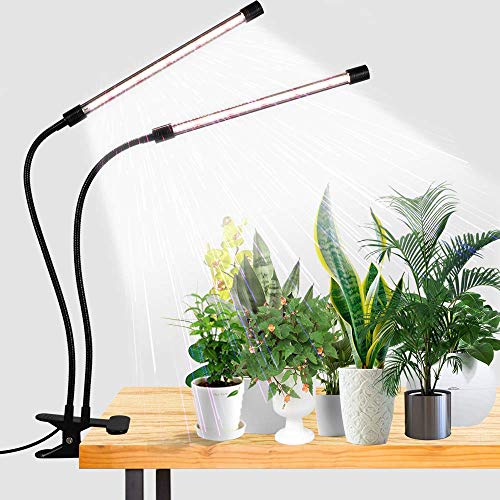
In fall, reduce artificial light so the plant gets 12 to 14 hours of uninterrupted darkness each night for about 6 weeks. This is what triggers flower buds.
Cold Drafts and Chilling Damage
Cold injury turns segments soft, limp and sometimes watery or translucent. Unlike thirst, chilled tissue often does not recover once the cells are damaged.
How Cold Affects This Plant
The Christmas cactus handles cool nights of 50 to 55°F well, and those temperatures actually help it set buds. Below about 45 to 50°F for extended periods, the plant can be damaged, and frost kills tissue outright.
Cold windowsills in winter are the most common source. Glass can be far colder than the room, especially overnight with curtains closed behind the plant.
Air Conditioning and Doorways
In summer, AC vents blowing directly on the plant cause similar stress, plus rapid drying. Drafty entryways and spots near frequently opened doors deliver repeated cold blasts in winter.
What to Do After Cold Damage
Move the plant to a stable spot that stays between 60 and 70°F. Do not overwater to compensate, because a chilled plant uses less water and rot can follow.
Wait a week or two to see which segments firm up. Then trim off any that remain mushy or have turned black, cutting at the joint.
Sophia’s tip: On winter nights, slip a piece of cardboard between the glass and the plant, or move the pot onto a table a few feet from the window. Never trap it between a cold window and a drawn curtain.
Root Problems, Repotting Stress and Fertilizer Issues
When watering and placement seem right, the problem may be underground. Crowded roots, recent repotting, worn-out soil and fertilizer burn can all leave segments soft.
Rootbound or Exhausted Soil
The Christmas cactus likes a fairly snug pot, but after 3 to 4 years the soil breaks down and roots can fill every inch. Water runs straight through without soaking in, and the plant dehydrates even when you water regularly.
Repot every 2 to 3 years, ideally in spring after blooming ends. Move up only one pot size, about 1 to 2 inches wider.
Normal Stress After Repotting
Some softness for 1 to 2 weeks after repotting is normal, because disturbed roots take time to resume drinking. Keep the plant in bright, indirect light and avoid fertilizing for about a month.
Fertilizer Burn
Too much fertilizer builds up salts in the soil that damage roots, which then cannot absorb water. Look for a white crust on the soil surface or pot rim, along with soft or browning segments.
Flush the pot by running lukewarm water through it for a few minutes, letting it drain fully. Going forward, use a balanced houseplant fertilizer at half strength about once a month from spring through summer, and stop in fall.
| Root issue | Clue | Fix |
|---|---|---|
| Rootbound | Water runs right through, roots circle pot | Repot one size up in spring |
| Old soil | Soil compacted, dries unevenly | Refresh with fast-draining mix |
| Repot shock | Softness within 2 weeks of repotting | Bright indirect light, patience |
| Fertilizer burn | White crust, browning tips | Flush soil, feed at half strength |
Soft Leaves Around Blooming Time and Leaf Drop
Some softness during and right after flowering is normal, because blooming uses a lot of the plant’s energy and water. Buds and flowers pull moisture from the segments, so the plant may need slightly more frequent watering while in bloom.
Changes Before and After Blooms
Cool nights and long darkness in fall set the buds, and the plant uses less water during that period. Once buds form, keep the soil lightly moist and avoid moving the plant, since sudden changes in light or temperature can make buds drop.
After flowering ends, many growers give the plant a rest of about 4 to 6 weeks with slightly less water. Segments may look a little less plump during this time but should not shrivel.
When Softness Leads to Shedding
Severely stressed segments often detach at the joint. If whole segments are falling off along with softening, the guide on christmas cactus dropping leaves explains the main triggers.
Healthy fallen segments are not wasted. Firm, green pieces can be rooted the same way as rescue cuttings.
Pet Safety
The ASPCA lists the Christmas cactus as non-toxic to cats and dogs. Chewing on the segments may still cause mild stomach upset, so keep it out of easy reach of curious pets and kids.
Your Next Steps
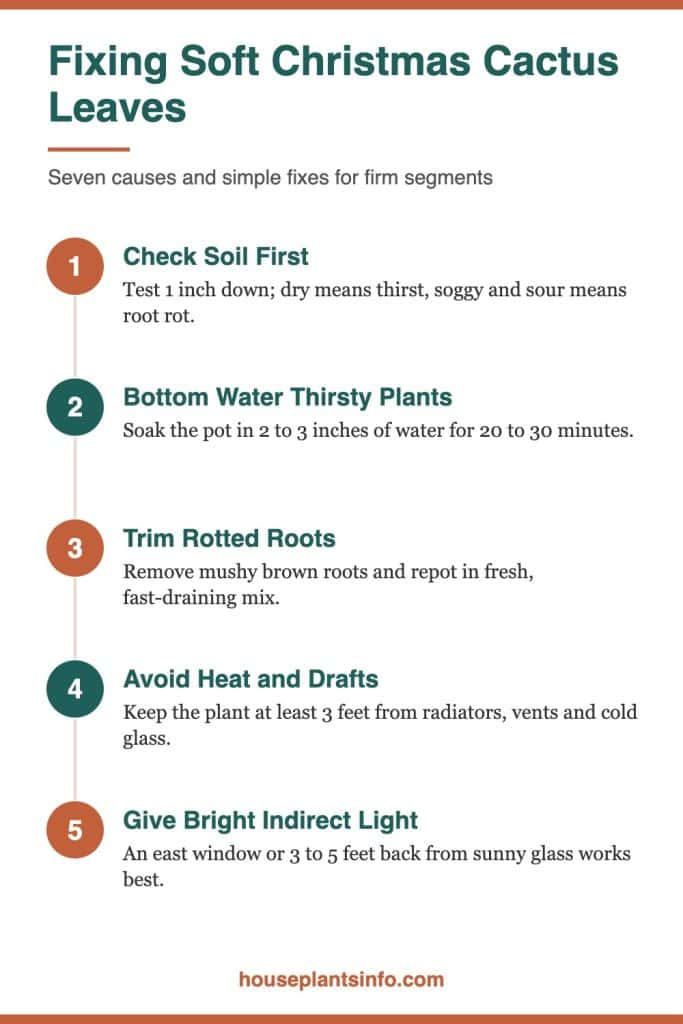
- Test the soil 1 inch down and at the bottom of the pot to decide between thirst and overwatering.
- Bottom water a dry plant for 20 to 30 minutes, or unpot a soggy one to inspect the roots.
- Move the plant at least 3 feet from radiators, heat vents and AC vents.
- Place it in an east window or 3 to 5 feet back from a south or west window.
- Repot into a fast-draining mix with a drainage hole if the soil is old, compacted or soggy.
- Take cuttings of healthy segments if the stem base has started to rot.
Common Questions About Soft Christmas Cactus Leaves
Can soft Christmas cactus leaves become firm again?
Yes, if the cause was underwatering, segments usually firm up within 1 to 3 days after a thorough soak. Segments damaged by rot or cold typically do not recover and should be trimmed off at the joint.
How often should I water a Christmas cactus?
Water when the top 1 inch of soil feels dry, which is often every 1 to 2 weeks indoors. Heated winter air may require more frequent watering, while cool rooms during the fall rest period require less.
Should I mist my Christmas cactus to fix soft leaves?
Misting does little for soft segments because humidity rises only briefly. A pebble tray, grouped plants or a room humidifier give steadier moisture without leaving water pooled in stem joints.
Why are my Christmas cactus leaves soft but the soil is wet?
Wet soil with soft segments usually means root rot, where damaged roots cannot take up water. Unpot the plant, trim rotted roots and repot in fresh, fast-draining mix, then hold off watering for about a week.
Is a soft Christmas cactus safe around my cat or dog?
The ASPCA lists the Christmas cactus as non-toxic to cats and dogs, whether the plant is healthy or stressed. Eating larger amounts may cause mild vomiting or diarrhea, so place it where pets cannot chew it regularly.

Hi! I’m Sophia, and I love plants – especially an expert in growing house plants. I stay in Chicago, United States of America, and through my blog and social media platforms, provide tips and tricks on how to grow healthy, vibrant plants indoors. Check out more here.