
A bright red, orange, or yellow ball perched on a green stem sits on your windowsill, and you are wondering whether it needs more water, more sun, or nothing at all.
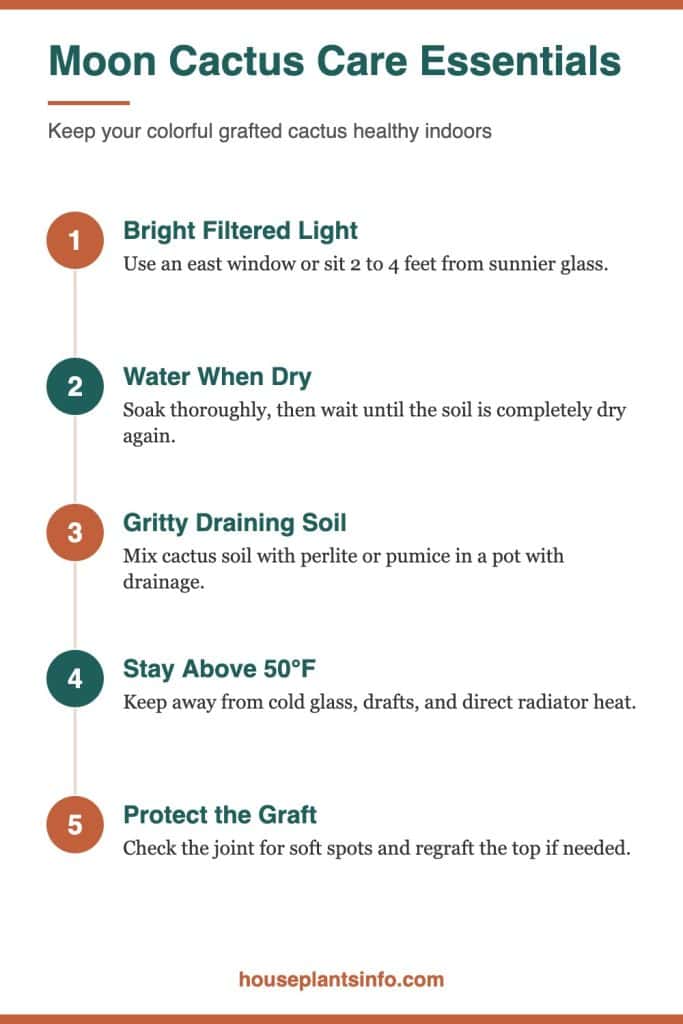
The short version: Give your moon cactus bright, indirect light, water only when the soil is completely dry, and keep it above 50°F. The colorful top cannot make its own food, so the green rootstock underneath is the part you are really caring for.
This guide covers light, watering, soil, temperature, feeding, the graft itself, common problems, and pet safety.
At a Glance
| Factor | What it needs |
|---|---|
| Light | Bright, indirect light; a few hours of gentle morning sun is fine |
| Water | Only when the soil is fully dry; roughly every 1 to 3 weeks in spring and summer, much less in winter |
| Humidity | Average indoor humidity; no misting needed |
| Temperature | 65°F to 85°F ideal; keep above 50°F |
| Soil | Fast-draining cactus mix with added grit, in a pot with a drainage hole |
| Pet safety | No specific ASPCA listing confirmed; spines are the main hazard |
| Difficulty | Easy to keep alive short term; moderate to keep for many years |
How to Care for a Moon Cactus: Start With the Right Light
A moon cactus does best in bright, filtered light rather than harsh, all-day sun. The colored top has little or no chlorophyll, so it scorches more easily than ordinary green cacti, while the rootstock still needs plenty of light to feed the whole plant.
Choosing a Window
An east-facing window is often the easiest match, since morning sun is gentle. A south or west window works too if you set the plant 2 to 4 feet back from the glass or filter the light with a sheer curtain.
North-facing windows in Chicago and similar latitudes usually do not provide enough light, especially from November through February. In low light, the green rootstock may stretch, lean, or turn pale.
Using a Grow Light in Winter
If your brightest window is still dim, a full-spectrum LED grow light set on a timer for 10 to 12 hours a day fills the gap well.

Position it about 8 to 12 inches above the plant and raise it if the colored top starts to fade or bleach.
Reading the Signs
- Faded, whitish, or tan patches on the top: too much direct sun.
- A stretched, thinning rootstock leaning toward the window: too little light.
- Steady color and a firm, upright stem: the light is about right.
Rotate the pot a quarter turn every week or two so the rootstock grows evenly instead of tilting toward the glass.
Sophia’s tip: If you move a moon cactus from a dim spot to a sunnier one, do it gradually over 1 to 2 weeks. A sudden jump to direct afternoon sun is the most common cause of bleached patches on the colored top.
How Often Should You Water a Moon Cactus?
Water thoroughly, then wait until the soil is completely dry before watering again. In spring and summer that usually means every 1 to 3 weeks indoors; in winter it may stretch to every 4 to 6 weeks.
The Soak and Dry Method
Pour water slowly over the soil until it runs from the drainage hole, then let the pot drain fully. Empty any saucer or decorative cover pot after 10 to 15 minutes so the roots never sit in standing water.
Check dryness before every watering. Push a wooden skewer or your finger about 1 to 2 inches into the soil; if it comes out with any dampness or soil clinging to it, wait a few more days.
Adjusting for Your Apartment
Indoor conditions change how fast the soil dries. A pot near a radiator or forced-air vent dries faster, while a pot in a cool corner or under steady AC dries slower.
- Small pots of 2 to 3 inches dry out faster than larger ones.
- Terracotta dries faster than plastic or glazed ceramic.
- Cooler, darker winter months mean slower drying and less water.
Winter Watering
From late fall through winter, growth slows and the plant needs far less water. Give a light drink only when the soil has been dry for a while and the rootstock looks slightly less plump.
Overwatering is the fastest way to lose a moon cactus. The same rot problems show up in many potted cacti, and the recovery steps in this guide to overwatered Christmas cactus care translate well to grafted cacti that have stayed wet too long.

What Soil and Pot Does a Moon Cactus Need?
Use a gritty, fast-draining cactus mix in a pot with at least one drainage hole. Water should flow through the soil in seconds, not pool on the surface.
Mixing a Better Blend
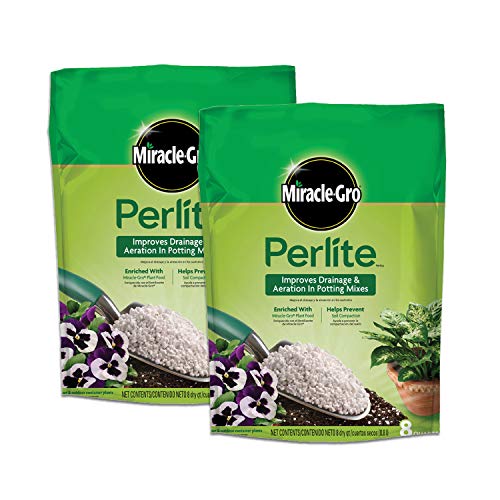
Bagged cactus soil is a good start, but many blends hold more moisture than a small cactus needs indoors. Mixing in perlite, pumice, or coarse grit at roughly one part grit to one or two parts cactus soil improves drainage.
Avoid regular potting soil on its own. It stays damp for days, which invites root rot in the rootstock.
Picking the Right Pot
Choose a pot only slightly wider than the root ball, usually 1 inch larger than the current pot. A pot that is too large holds extra soil that stays wet long after the roots have finished drinking.
Unglazed terracotta is a solid choice for most indoor setups because it wicks moisture away. Many moon cacti are sold in pots with no drainage or with glued-on pebbles, so it is worth repotting soon after you bring one home.
Repotting Without Damage
Repot in spring or early summer, when the plant is actively growing. Wrap the stem in a folded strip of newspaper or wear thick gloves to handle it without getting spines in your fingers.
Gently remove old soil, check the roots, and trim any mushy or black sections with clean scissors. Set the plant in dry mix and wait about a week before watering so any small root injuries can callus.
What Temperature and Humidity Keep It Healthy?
Keep your moon cactus between 65°F and 85°F for most of the year, and never let it drop below 50°F. Normal indoor humidity is fine, and dry winter air is not a problem.
Cold Is the Bigger Risk
The rootstock most often used, a climbing cactus in the Hylocereus group, is sensitive to cold. Temperatures below 50°F can damage it, and frost will kill it.
In winter, keep the pot a few inches away from single-pane glass, which can be much colder than the room. Watch for cold drafts from leaky windows, exterior doors, and balcony sliders.
Heat Sources and Drafts
Radiators and forced-air vents blow hot, dry air that dries the soil quickly and can stress the plant. A spot 3 feet or more from a radiator or vent is safer.
Steady AC airflow in summer is less harmful than winter cold, but a pot directly in front of a vent may stay chilled. Move it to the side of the airflow rather than right in its path.
Humidity Needs
Moon cacti are desert plants and handle the low humidity of heated apartments well. Skip misting, since water sitting on the colored top or in the graft area can encourage fungal spots.
A plant that can spend summer outdoors on a sheltered balcony usually enjoys it. Bring it inside before night temperatures fall into the low 50s.
Should You Fertilize a Moon Cactus?
Light feeding during the growing season helps, but it is not essential. Use a balanced or cactus-specific fertilizer diluted to half or quarter strength, about once a month from spring through late summer.
When to Feed
Feed only when the plant is actively growing, typically April through August indoors. Stop by early fall and do not feed in winter, when growth stalls and unused fertilizer salts can build up in the soil.
Always water before or with fertilizer, never onto bone-dry soil. Fertilizer on dry roots can burn them.
Signs You Are Overdoing It
- White crust on the soil surface or pot rim.
- Browning at the base of the rootstock.
- Soft, unusually fast growth that looks weak.
If you notice salt crust, flush the pot by running plain water through it several times, then let it dry completely.
Sophia’s tip: Write the date on a small plant label each time you feed. With a plant that only needs fertilizer four or five times a year, it is easy to lose track and feed too often.
Why Is the Graft So Important?
A moon cactus is two plants joined together. The colorful top is a mutant form of Gymnocalycium mihanovichii that lacks enough chlorophyll to survive on its own, so it is grafted onto a green rootstock that photosynthesizes and feeds it.
How the Two Parts Work Together
The rootstock supplies water, nutrients, and sugars to the colored scion. As long as the rootstock is healthy, firm, and green, the top can thrive and even produce small offsets and flowers.
The pinkish or white flowers usually appear in late spring or summer on mature, well-lit plants. Not every moon cactus blooms indoors, and a lack of flowers is not a sign of poor health.
Why Grafts Eventually Fail
The colored top and the fast-growing rootstock do not always grow at the same rate. Over time, the rootstock may thicken or rot, or the scion may outgrow the base, and the graft can decline.
Many moon cacti last a few years, while well-kept ones can go much longer. For a closer look at typical lifespans and how to extend them, see this guide on how long do moon cactus live.
Offsets and Regrafting
Small colored pups often form around the top. You can twist them off gently and graft them onto a new green rootstock, which is the main way to keep the colored form going.
Regrafting means making clean, flat cuts on both pieces, pressing them together so their central rings overlap, and holding them in place with rubber bands for 1 to 2 weeks. Do this in warm weather when both plants are growing.
Trimming Rootstock Shoots
Green shoots sometimes sprout from the rootstock below the graft. Remove them with clean, sharp scissors, since they draw energy away from the colored top.
Brown Spots, Soft Spots and Other Problems: Causes and Fixes
Most moon cactus problems come from too much water, too much direct sun, or cold. Identify the type of damage first, since each has a different fix.
Brown or Tan Spots on the Top
Dry, flat, tan, or whitish patches usually mean sunburn. Move the plant back from the glass or behind a sheer curtain; damaged tissue will not heal, but new growth will be clean.
Small, sunken brown or black spots that spread can signal fungal infection, often from water sitting on the plant. Keep the top dry, improve airflow, and remove the plant from any humid, crowded spot.
Soft, Mushy, or Darkening Rootstock
A soft, yellowing, or black base is rot, almost always from wet soil or cold. Unpot the plant, cut away rotted tissue, and let healthy sections dry before replanting in fresh, dry mix.
If rot reaches the graft point but the colored top is still firm, you may be able to save the top by cutting it off cleanly and regrafting it onto a fresh rootstock.
Shriveling or Wrinkling
A shriveled, wrinkled rootstock in dry soil means the plant is thirsty. Give it a thorough watering, and it should plump up within several days.
If the plant is shriveled but the soil is wet, the roots have likely rotted and cannot take up water. Check the roots right away.
Pests
Mealybugs look like small white cotton tufts in crevices, often near spines or the graft. Spider mites leave fine webbing and stippled, dull patches, especially in dry winter air near heat sources.
- Dab mealybugs with a cotton swab dipped in rubbing alcohol.
- Rinse spider mites off with lukewarm water and let the plant dry fully.
- Repeat checks weekly for a month, since eggs hatch in waves.
Color Fading
Gradual fading of the top can come from too much sun or, sometimes, natural aging. Adjusting light usually helps if the cause is exposure.
Sophia’s tip: Look closely at the graft line every time you water. Catching a soft or darkening spot at the joint early gives you the best chance of saving the colored top by regrafting.
Is a Moon Cactus Safe for Pets and Kids?
The ASPCA does not list a toxicity rating for moon cactus that I can confirm, so treat it with caution. The spines are the clear hazard, since they can injure mouths, paws, and small fingers.
Place the pot on a high shelf or in a spot cats and dogs cannot reach. Curious kids should know not to touch it, and gloves make handling safer for you too.
If your pet chews on the plant and shows drooling, vomiting, or pawing at the mouth, contact your veterinarian or the ASPCA Animal Poison Control Center.
Similar Cacti Worth Growing
If you enjoy the moon cactus, other cacti offer different shapes and care levels. You might learn to care for a Peruvian apple cactus, a tall columnar plant that loves sun, or grow and care for Eve’s needle cactus, which has distinctive cylindrical stems.
For a spineless option that is easier around pets and kids, consider how to care for a spring cactus, a forest cactus with very different watering and light needs.
Your Next Steps
- Move your moon cactus to an east window or 2 to 4 feet back from a south or west window.
- Check whether the pot drains; if not, repot into gritty cactus mix in a pot with a hole.
- Test the soil before watering and water only when it is fully dry.
- Keep the plant away from radiators, cold glass, and drafts, and above 50°F.
- Inspect the graft line and rootstock for soft spots or pests every time you water.
- Remove green shoots from the rootstock and save any colored pups for regrafting.
Common Questions About Moon Cactus Care
Can a Moon Cactus Live Without Its Rootstock?
No. The colored top lacks enough chlorophyll to make its own food, so it depends entirely on the green rootstock. If the rootstock fails, the top must be regrafted onto a new base to survive.
Why Is My Moon Cactus Losing Its Color?
Fading is usually caused by too much direct sun, which bleaches the top. Move the plant to brighter, filtered light and acclimate it gradually to any change. Some fading can also come with age.
Should I Mist My Moon Cactus?
No. Moon cacti handle dry indoor air well, and moisture sitting on the top or graft can encourage fungal spots. Water the soil only, and let the plant stay dry.
How Big Does a Moon Cactus Get?
The colored top typically stays small, often 1 to 2 inches across, though it can grow somewhat larger over several years. The rootstock may grow taller, and growth slows considerably indoors.
Does a Moon Cactus Go Dormant in Winter?
Yes, growth slows sharply in fall and winter with shorter days and cooler temperatures. Water much less, stop fertilizing, and keep it in bright light until active growth returns in spring.

Hi! I’m Sophia, and I love plants – especially an expert in growing house plants. I stay in Chicago, United States of America, and through my blog and social media platforms, provide tips and tricks on how to grow healthy, vibrant plants indoors. Check out more here.